Israeli basketball legend Mickey Berkowitz’s severe dementia diagnosis revealed in documentary
Berkowitz has been living in a care facility away from his home in recent months, and the film documents his family’s efforts to cope with his condition.
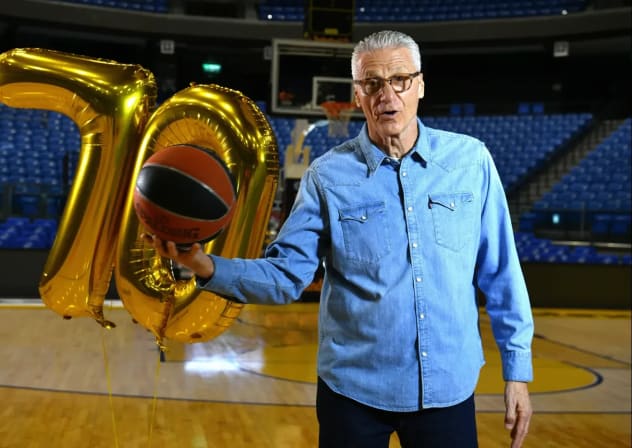
Berkowitz has been living in a care facility away from his home in recent months, and the film documents his family’s efforts to cope with his condition.


The Movement for Quality Government in Israel asks the Second Authority to clarify its plans after the extension allowing Channel 14 to delay moving its news operations expires at the end of August.

"For an expensive night at a club and a hotel stay with all the luxuries, there are boys today who will be willing to cooperate and do whatever is required of them," one figure said.

Ahead of the school year, Teachers Union chief Yaffa Ben-David warned of a shortage of nearly 5,000 teachers and called for a strategic plan to address deep-rooted problems in education.

Hapoel Tel Aviv holds preseason abroad before EuroLeague. Tomer Ginat will miss start of season; questions surround Tamir Blatt and Jacob Toppin.

The Jordan talks will determine whether that message - so dramatically delivered - can now actually produce a workable arrangement.

Netanyahu was speaking on a phone call with Channel 14's military correspondent, Noam Amir, when he stated that the Islamic regime tried to assassinate one of his sons.

IDF officials told the Post that the disaster management and evaluation systems are designed to intake, track, and analyze damaged structures, especially in Cali, where most IDF efforts have focused.

The West Bank has been the site of several violent outbreaks in recent weeks at several flashpoints, including Kusra and Gilad Farm near Nablus, as well as Yatta and Sa'ir near Hebron.

"Hamas is testing the limits of a containment that should have ended after October 7," said the Gaza border communities about the incident.

This comes one week after the Tel Aviv-Jaffa District Court deleted a petition seeking to force Ramat Hasharon to enforce its Shabbat business-closure bylaw at BIG Fashion Glilot.
