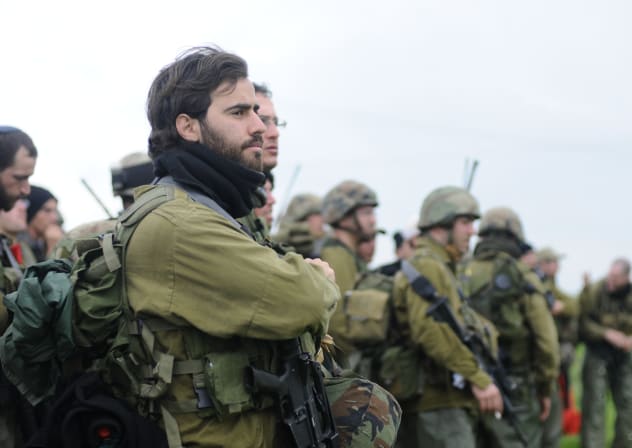
IDF forcibly evacuates Israeli rioters after fire breaks out near Palestinian West Bank town
The circumstances of the fire are still under investigation, according to the military.

The circumstances of the fire are still under investigation, according to the military.


Initial reports indicated that the alleged attack happened while Bennett was participating in a rally in Tel Aviv demanding the establishment of a commission of inquiry into the failures of Oct. 7.

The announcement came after the Shin Bet chief David Zini ruled in August that Eisenkot did not meet the requirements needed to qualify for the elite Unit 730 protection.

Thousands gathered at Tel Aviv's Hostage Square on Saturday, joined by opposition leaders, to demand an inquiry into the failures surrounding October 7.

IDF troops demolished illegal structures near the site of Friday's deadly Hebron attack, searched 200 locations, and arrested 10 suspects.

Trump's endorsement of Benjamin Netanyahu came despite opposition from some of his closest advisers, who have grown frustrated with the Israeli prime minister.

The IDF Spokesperson's Unit said the military places the utmost importance on providing mental health care and has expanded the capacity and quality of its services since the war's beginning.
The festival's closing ceremony will launch Negba, a new incubator for young southern filmmakers.

Ahead of this week’s election, immerse yourself in these political dramas and comedies.

DOMESTIC AFFAIRS: Moshe Shapiro, Hoda Daxa, and Shai Zohar on carrying forward their loved ones’ legacies – and why social cohesion must become a national responsibility.

The travel advisory update warns of potential escalation by Iranian-backed Houthis, while keeping Israel at Level 3 and maintaining Level 4 restrictions in designated border areas.
