Grapevine: Real-life miracles
Movers and shakers in Israeli society.

Movers and shakers in Israeli society.


“The defendant acted not only knowingly but also as one who is consumed by hatred toward Jews,” Judge Alex Akhter ruled.

Israeli officials conducted a combined operation to neutralize both the Global Sumud Flotilla itself and its explosive potential in the international narrative.

What's new to do in Israel's capital?

DOMESTIC AFFAIRS: This article is the second in a series titled “HER,” an ongoing project by photojournalist Chen G. Schimmel, exploring the lives and inner worlds of the wives of Israeli soldiers.

Firing Arrow interceptors can cost millions of shekels, Iron Dome interceptors can cost tens of thousands of shekels, but firing the Iron Beam is as cheap as turning a light on.

However, removing US restraints on IDF attacks in northern Lebanon could reduce the threat by 80%.
All IDF officers are careful to state that the military never promised regime change, and at most the opportunity to improve conditions for such a change.

The Israel Air Force dropped 135,000 bombs in recent years of conflict, including 23,860 requested directly by ground forces for immediate support in Gaza and Lebanon.

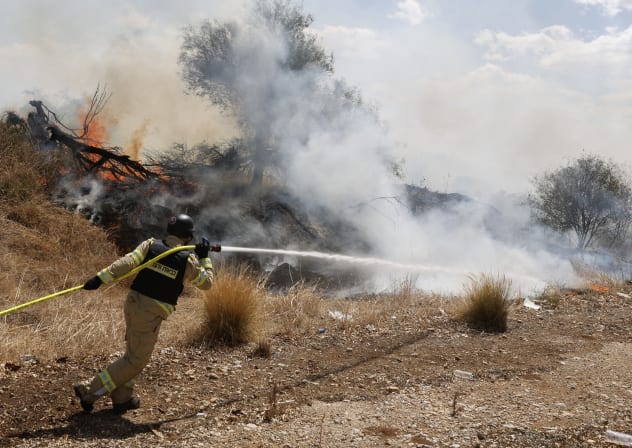
The IDF confirmed that the incident was due to a Hezbollah drone that crossed into northern Israel, calling it a "violation of the ceasefire understandings by the Hezbollah terrorist organization."

While the government imposes severe restrictions on its troops, Hezbollah’s terrorists are “sitting comfortably in places they know the IDF has been forbidden to strike."
