Arkadi Ivanikov usually sleeps on his mother’s couch, but on Saturday he spent
the night out, quite possibly saving his life.
Surveying the damage to
his mother’s home in Ashkelon on Sunday – a Gazan rocket came in through the
roof directly over the living room sofa – Ivanikov said he’ll help her pack her
things to stay with family in Tel Aviv, while he’ll bide his time in Ashkelon
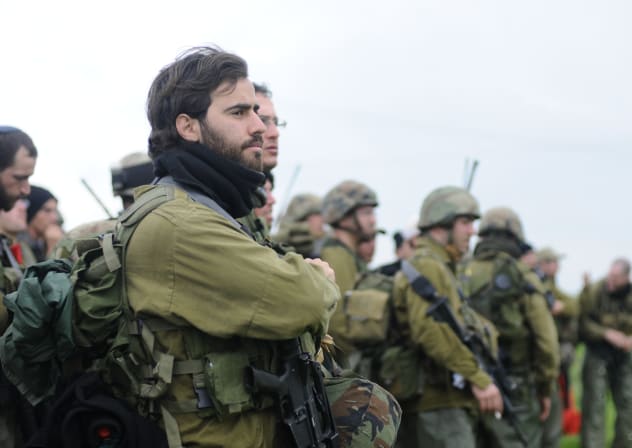
until he gets the order to report for IDF service.
“I’d rather be in Gaza
in the reserves than just suffer here. It’s a disgrace the state can’t
protect its citizens,” Ivanikov said, as his mother, Irena, sobbed and tried in
vain to pick up around the apartment, which was covered in dust and concrete
debris.
The rocket caused severe damage to the Ivanikov apartment and to
other homes on her floor and the one above. It also knocked out all but one
rooftop water heater and left shattered glass strewn across the building’s
courtyard.
In the parking lot, a religious family was cramming suitcases
into their car, saying they were heading north because the situation in the
South had become unbearable.

The rocket fire was indeed incessant in
Ashkelon and across the South on Sunday, when more than 120 rockets were fired
into Israel. Though other days – since Operation Pillar of Defense started last
week – have seen more rockets, those on Sunday came in much heavier, more
intense salvos; each time the Color Red siren went off in Ashkelon at least five
loud explosions would be heard shortly thereafter.
The apartment building
houses many Ethiopian Israelis, as well as immigrants from the former Soviet
Union and native Israelis. Unlike countless other buildings in disadvantaged
neighborhoods in the South visited by The Jerusalem Post over the past two
weeks, the building has a rather expansive bomb shelter, where a half a dozen
Ethiopian women took refugee on Sunday morning.
Anat Kindiye, a mother of
five originally from Ethiopia, said on Friday she and others helped clean out
the bomb shelter, and brought down a TV, to help give the children a safe place
to play with school canceled across the South. Neighbors in the building have
done their best in recent days to make the shelter livable, with one resident,
Moshe Gazai, 26, describing how on Saturday he brought six large pizzas to the
kids spending Shabbat in the shelter, or meters away in the
courtyard.
Kindiye has one son who serves in the IDF reserves, but has
not been called up yet. Along with her desperation at the constant stress and
fear caused by the rockets, she expressed concerns about the possibility of an
IDF ground incursion into Gaza.
“Both sides have families. We have
children here and they have children in Gaza, too. I just want this to be over,”
she said.