Police officials criticized for attending Ben-Gvir's birthday party
During the party, the minister’s wife, Ayala Ben-Gvir, presented him with a cake decorated with a drawing of a hanging noose.

During the party, the minister’s wife, Ayala Ben-Gvir, presented him with a cake decorated with a drawing of a hanging noose.


The court also determined that a minister’s personal attendance does not replace the need for professional officials to answer lawmakers’ questions.

Soul of a Nation dismantles anti-Israel propaganda by doing something far more disarming: telling the truth about Israel as it is – flawed, complex, democratic, diverse, and deeply human.

The 70th Eurovision Song Contest will begin with the first semifinal on May 12, in which Israel will participate; the final will be on May 16.

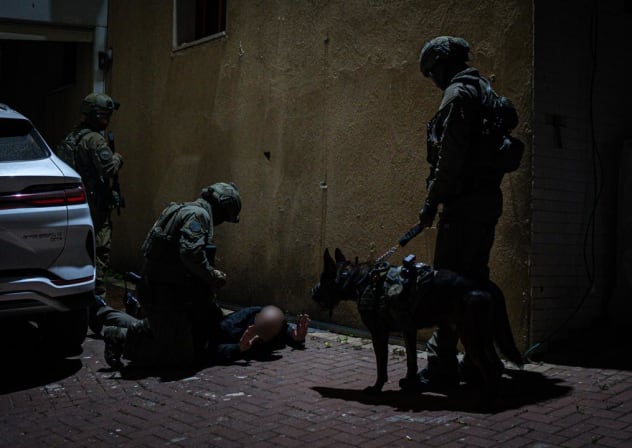
Two minors and an additional suspect were arrested for their ties to the case. The police claimed to have known their identities and the fact that they participated in the attack against Zalka.

In an additional incident on Friday, Hezbollah launched several rockets toward IDF soldiers operating in southern Lebanon. The rockets fell in open areas.

Movers and shakers in Israeli society.

OneFamily’s Remembrance Day ceremony for fallen soldiers and victims of terror brings hundreds of bereaved together.

The filing of indictments and prosecutors’ statements followed a series of raids conducted in Arab villages and the West Bank on April 12, during which 11 suspects were arrested.
TV Time: There is so much going on right now in the Israeli television industry that it’s hard to keep track.

“The defendant acted not only knowingly but also as one who is consumed by hatred toward Jews,” Judge Alex Akhter ruled.
