Election polls get it wrong: The human biases behind the numbers - opinion
Polls offer precise percentages and projected seats, but the people behind the numbers are unpredictable.
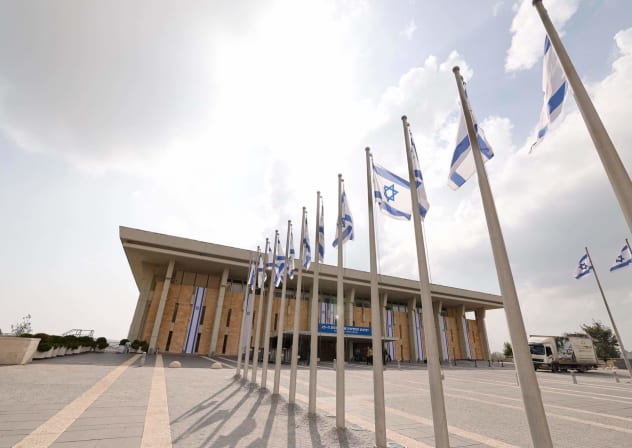
Polls offer precise percentages and projected seats, but the people behind the numbers are unpredictable.


France is the keystone of Europe's political and economic order. If Paris cannot keep the peace, Europe's confidence in its own institutions will crack with it.

As Israel heads to the polls, Trump's public backing of Netanyahu raises questions about foreign interference and the limits of US-Israel friendship.

The silent majority of the Israeli public must step up and choose tikkun – the repair of society to make it better – and ensure that our heroic soldiers will not have died in vain.

Israel does not need another government that manages the conflict until the next explosion.
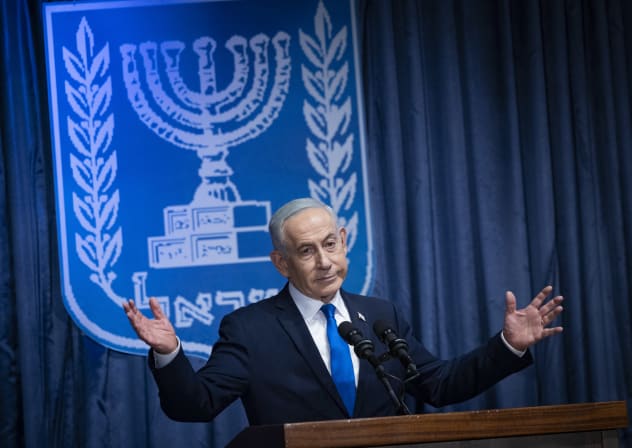
The golden age of wall-to-wall bipartisan support for Israel is ancient history, and Netanyahu deserves much of the credit.

From leading campus tours to organizing charity committees, students can help strengthen Jewish identity by learning to pass it on.

Whenever an election approached, everyone wanted to know: Who are you voting for? “I can’t vote,” I would answer. “I’m Canadian.” I loved being neutral.

No government, and no prime minister, can abandon its responsibility to its citizens the way this government and coalition have.

Many French Jews are, in fact, asking themselves how authorities could protect them, despite their commitment to do so, if they fail to protect city halls, businesses, and regular citizens.

The violence in France reflects years of ignored warnings, normalized radical rhetoric, and a growing failure to uphold the Republic’s values.
