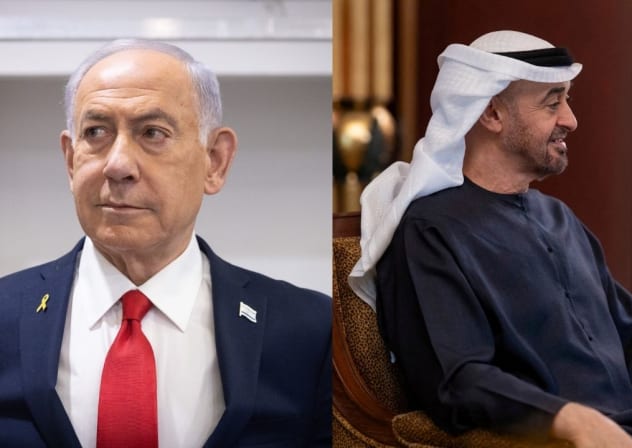
Israel’s mistake was believing Trump’s Iran policy was about Israel - opinion
Trump’s Iran deal may be flawed, but Israel’s sense of betrayal misses a basic truth: America acts in its own interests.

Trump’s Iran deal may be flawed, but Israel’s sense of betrayal misses a basic truth: America acts in its own interests.


Movers and shakers in Israeli society.

What happened in New York is being played out in other areas of the United States, providing evidence that the anti-Israel tremors in the Democratic Party extend beyond the biggest US city.

Gadi Eisenkot emerges as a leading opposition figure in Israel, topping polls alongside Likud as debates over leadership, conscription and political identity intensify ahead of upcoming elections.

Tucker Carlson’s campaign is about far more than one ambassador. It is an attack on the kind of leadership Donald Trump chose to represent America in Israel.

When one looks at the new Memorandum of Understanding signed between Iran and the United States, it becomes clear that this is not a random diplomatic maneuver.

From Hamas and Hezbollah to legal warfare and propaganda networks, Europe must confront the wider architecture of Iranian influence operating within its borders.

In the midst of ongoing emergencies, our society’s true measure is its commitment to those whose struggles do not make the headlines.

When the truth itself is disputed, evidence becomes more than documentation; it becomes the foundation of public trust.

Like Moses, Sir Keir Starmer will not bring his people into the promised land, whatever that looks like, but it will be Burnham who adopts the role of Joshua.

Combining Israeli technological expertise with Emirati resources and industrial ambitions could generate a significant strategic advantage for both countries.