Trump and Iran’s three-headed dragon - opinion
The problem is that Iran is not governed by one power center. It is a three-headed dragon. One head wears a religious turban, one carries a military weapon, and one wears a political suit.
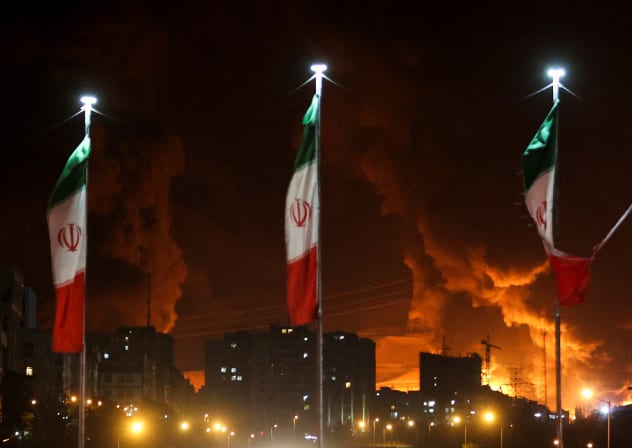
The problem is that Iran is not governed by one power center. It is a three-headed dragon. One head wears a religious turban, one carries a military weapon, and one wears a political suit.


In recent days, Trump has signaled increasing frustration with Tehran’s refusal to make meaningful concessions. The Iranian regime continues to follow the same playbook it has used for decades.

Pride Month can easily become a celebration of how far Israel has come, but the work is not finished. LGBTQ+ Israelis still face barriers that many heterosexual Israelis never have to think of.

As details emerge about a signed agreement between the United States and Iran, there still may be room to protect the Persian people from the Iranian regime's proxies..

The mistaken assumption that everyone shares our aspirations has undermined generations of US policymakers seeking to resolve conflicts from Tehran to Gaza.

A petition to suspend Israel’s medical association would punish doctors for government policy and set a dangerous precedent for global medicine.

When you signal your reluctance to fight, as Donald Trump has repeatedly done, it becomes clear that America no longer has the stomach for war.

Following the loss of Syria, the regime is making every effort to project control and coordination with its remaining proxies: Hezbollah in Lebanon, the Houthis in Yemen, and Shi’ite militias in Iraq
Our guard stands in the cold, gives up holidays with his family, and carries a responsibility he never chose. When tragedy comes, men like him are often the first line of defense.

The question of whether polished English is one of the necessary qualifications for the job of prime minister ought to be addressed.

Washington seeks a manageable relationship; Tehran seeks a revolution. No treaty can bridge that gap.
