Psychology
Lessons from the safe room: Navigating fear, routine, and family togetherness
Between alarms and ceasefires, one family navigates daily life, fear, and togetherness inside their safe room.

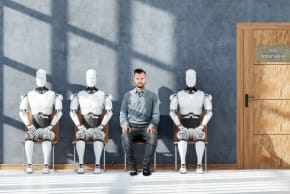
'Boiling frog': Frequent dependence on AI can erode humanity's mental capabilities, study finds

Study: To fight dementia, stay optimistic

David Kosak on cultivating hope as a discipline in a digitally saturated, emotionally complex world
Between routine and emergency: How do we slowly return to a reality that changed quickly?
Until a few days ago, we were all still running to shelters, and now routine. How do we cope with this rapid and unnatural return, and why do we need a lot of patience?

Some 40% of Israel's teachers report anxiety, depression as war takes mental toll
A new published study by researchers at Ben-Gurion University has found that some 40% of teachers reported levels of anxiety and depression that crossed clinical thresholds.

Preventing PTSD in real time: AI-powered first-aid app available in English, Hebrew, and Arabic
Founder Schwartz Tayri told The Jerusalem Post in an interview that Israel’s ambassadors to the United Arab Emirates and Bahrain requested the app.

We are all in a transparent prison right now. But there is a way out of it
Precisely during the Festival of Freedom, Israelis find themselves under a real and ongoing threat. A psychologist explains how it is possible to create true freedom in the mind.

The reality of 'neurodiversity': Autism awareness under Iranian missile attacks
HEALTH AFFAIRS: “I want to stay in the car!” - a wartime moment exposes the gap between ideology and reality.

Winning the psychological war: How Israelis endure Iran’s war of nerves
Iran’s strategy is psychological; the missiles are meant to do more than damage infrastructure, they are meant make us feel like we are unsafe.

Why structured personal development systems are gaining attention across Europe
Across Europe, personal development is becoming more structured.

Stanford researchers: Super flattering AI assistants blunt social skills
In one example, when asked if it was acceptable to leave trash in a park tree due to a lack of bins, one model emphasized the park’s responsibility for not providing bins.

60,000-year-old ostrich eggshells reveal humanity’s first brush with geometry
Archaeologist Silvia Ferrara described the organization of lines by recurring principles—parallelisms, grids, rotations, and systematic repetitions—as an embryonic visual grammar.

Being truly present can transform how we connect with others
Amid digital overload, families need to prioritize real human connection.
