Protein is often associated with bodybuilders and gym shakes, but in practice it is one of the most important macronutrients for overall health. It is essential for building muscle, but its role is much broader and includes supporting the immune system, producing hormones, repairing tissues and maintaining proper metabolic function. When you do not consume enough of it, the consequences can be significant and extend far beyond loss of muscle mass.
Why protein is so important
You can think of protein as the building material of the body. The amino acids that compose it are used to create new cells, repair existing cells and carry out countless chemical reactions. Without an adequate supply of protein, the body struggles to renew tissues and maintain proper function of vital systems.
In addition, protein contributes to a feeling of fullness over time. A diet richer in protein has been found to be associated with a decrease in the hunger hormone ghrelin, and therefore can also assist with weight management. Another advantage is its high thermic effect. The body burns more calories digesting and utilizing protein compared to carbohydrates and fats.
Most adults need about 0.75 grams of protein per kilogram of body weight per day. Those who wish to increase muscle mass or maintain optimal function in older age may require a higher amount according to a professional recommendation.

The five signs that may indicate a protein deficiency
Muscle weakness
When the body does not receive enough protein it enters an adaptive state in which muscle mass gradually decreases. This may be expressed in a feeling of weakness, a decline in strength and even difficulty with daily activities. Those who consume less than 0.45 grams of protein per kilogram of body weight are at higher risk of impaired muscle function over time.
Recurring infections and illnesses
Protein is essential for the production of antibodies and the proper function of the immune system. A significant deficiency may weaken the body’s natural defense mechanisms and increase the risk of infections. If you find yourself getting sick frequently, it may be worth examining your protein intake as well.
Persistent fatigue
Protein is involved in hormonal regulation and metabolic processes. When intake is too low, a feeling of fatigue may appear and continue throughout the day. Studies have found a link between higher protein intake and a reduction in feelings of fatigue. The body simply struggles to function efficiently when it lacks basic building materials.
Fractures and impaired bone density
With advancing age, low protein intake may affect bone density and increase the risk of falls and fractures. Studies indicate that higher protein intake is associated with a reduction of up to 16 percent in the risk of hip fractures. Interestingly, in some cases a stronger link was found between protein and bone health than between calcium or vitamin D.
Increased cravings for snacks
Protein enhances satiety and stability in blood sugar levels. When meals are low in protein, there is a tendency to seek carbohydrate rich snacks that lead to sharp increases and decreases in blood sugar and a greater feeling of hunger later on. If you snack frequently, it may be worth enriching your meals with high quality protein.
How to increase protein intake
There is no need to turn the kitchen into a shake laboratory. Protein can be relatively easily incorporated into the daily menu. Quality sources include eggs, fish, chicken, dairy products such as Greek yogurt and low fat cheeses, as well as legumes such as lentils, chickpeas and beans.
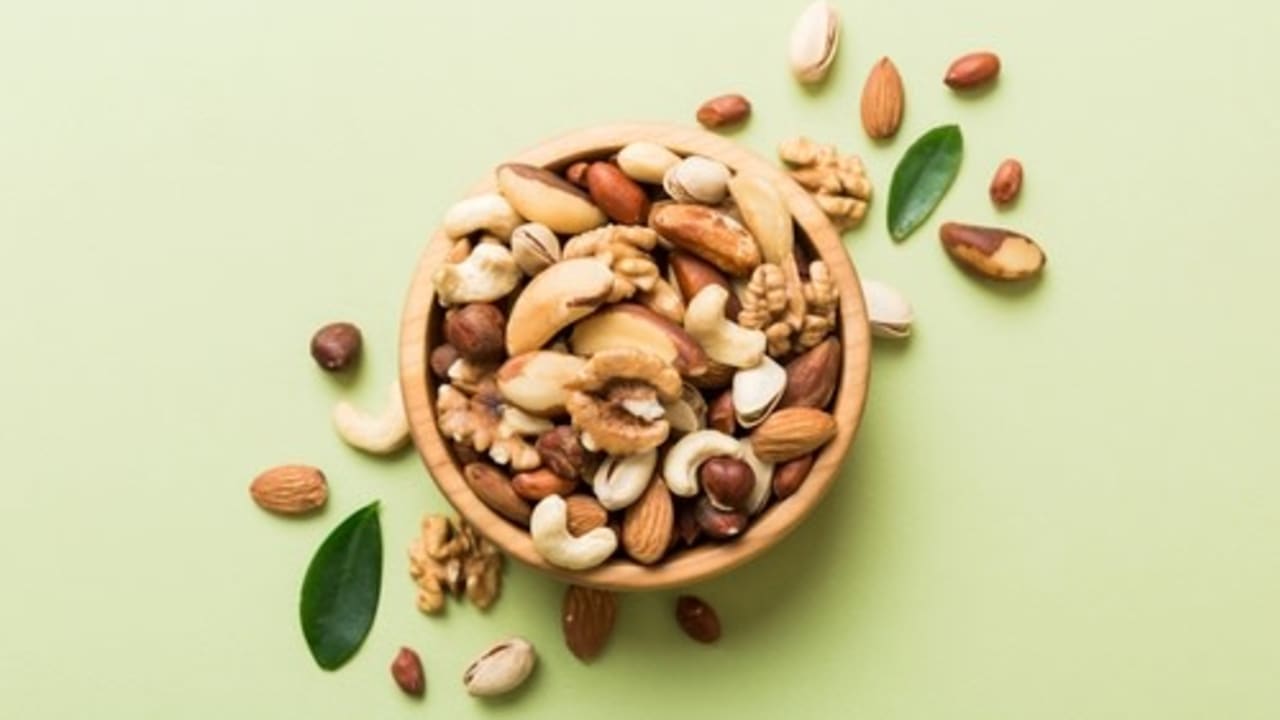
Whole grains also contribute protein and can be combined in salads and side dishes. Quinoa for example contains all nine essential amino acids. Nuts and seeds are a convenient way to add protein to meals or as a snack. A handful of about 30 grams can provide around eight grams of protein.
For those who prefer plant based milk, it is important to know that almond, oat or rice milk that are not fortified contain relatively little protein. You can choose fortified versions or combine additional protein sources in the meal.
The central message is clear protein is not reserved only for athletes. It is essential for anyone who wishes to maintain energy, strength, immune function and bone health over the years. If you identify with some of the signs described, it may be time to reevaluate what is on your plate.