Netanyahu speaks with Venezuela delegation as the nation is forced to bury unidentified bodies
"We didn't ask questions about who and what," the prime minister said. "We asked: 'What needs to be done to help?'"

"We didn't ask questions about who and what," the prime minister said. "We asked: 'What needs to be done to help?'"


Attorney Kobi Sudri discussed the matter on 103FM with hosts Anat Davidov and Prof. Aryeh Eldad, raising doubts about the legal validity and intent behind the pardon request.

Benjamin Netanyahu has formally asked President Isaac Herzog for a pre-verdict pardon in his corruption trial, setting off a sensitive legal review with major political implications.

The prime minister's pardon contained a not-so-veiled offer: Let me have a pardon and I will turn down the pressure on the legal establishment.

Prosecutor Yehudit Tirosh presses Prime Minister Netanyahu in Case 4000, questioning his stance on editorial influence and the importance of internet coverage.
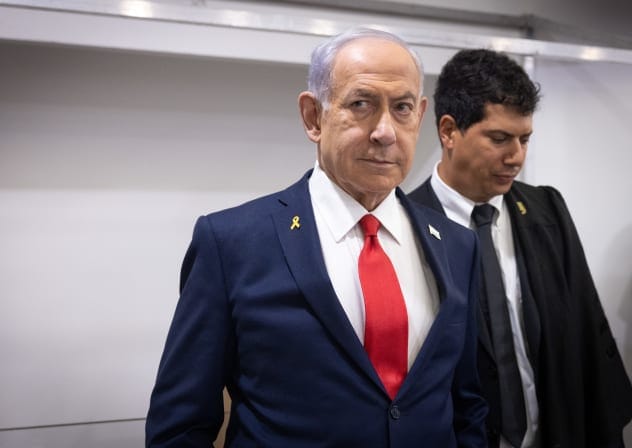
Netanyahu denied he directed media coverage of his wife in Case 4000, rejecting prosecution claims and calling state witness accounts exaggerated during renewed cross-examination.

Netanyahu argued that while he focused on creating a more “diverse” media environment, he never refrained from routine conversations with journalists about coverage.

When two men with such long shadows allow personal animus to spill into national policy and public diplomacy, the consequences extend beyond any domestic score-settling.

The latest change follows several recent adjustments to the trial schedule.
Case 4000 explores the Netanyahu's seeking favorable coverage in Israeli media, particularly their relationship with Bezeq owner Shaul Elovitch, who owned the Walla news site.
PM Netanyahu confirmed in court that he was aware of and approved gifts from Arnon Milchan, as testimony continues in Case 1000.
