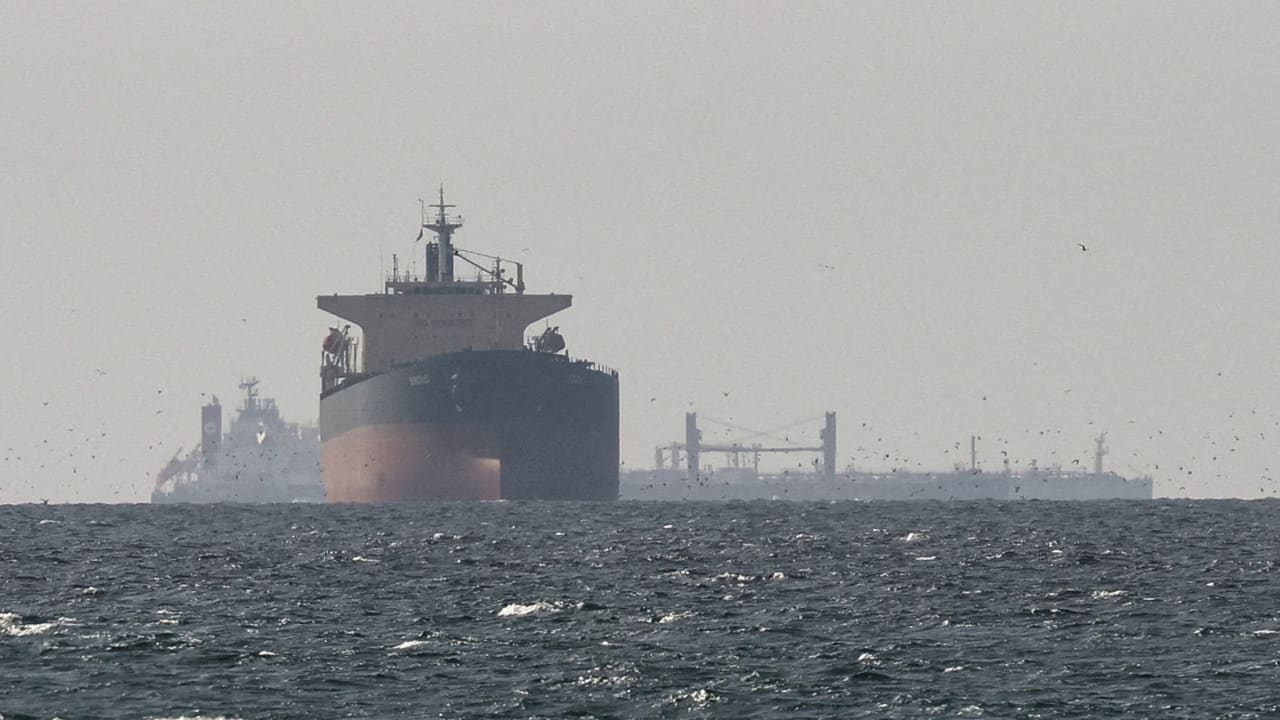
Iran has been threatening to close the Strait of Hormuz for many years. Therefore, the threat that has been fulfilled by Iran is not surprising. However, this time Iran has made good on the threat, and therefore it has to decide what comes next. Does Tehran have an off-ramp? Does Tehran assume that it will be able to do this for months or harass ships for years? Does Iran hope that this will pressure the international community to end the war?
There are more questions than answers regarding Iran’s strategy and tactics. Not enough is known about whether Iran is mining the Straits or whether it is willing to use cruise missiles, artillery, or even ballistic missiles and drones against ships that try to pass. Insurance and caution are keeping the ships bottled up inside the Strait. Several ships have apparently been able to pass. One track of a ship that did make it through shows it going very close to Iran’s coastline, leading to suspicions it was guided by Iran along waypoints. Is this because Iran had a secret deal with some countries or companies?
What has Iran done in the past?
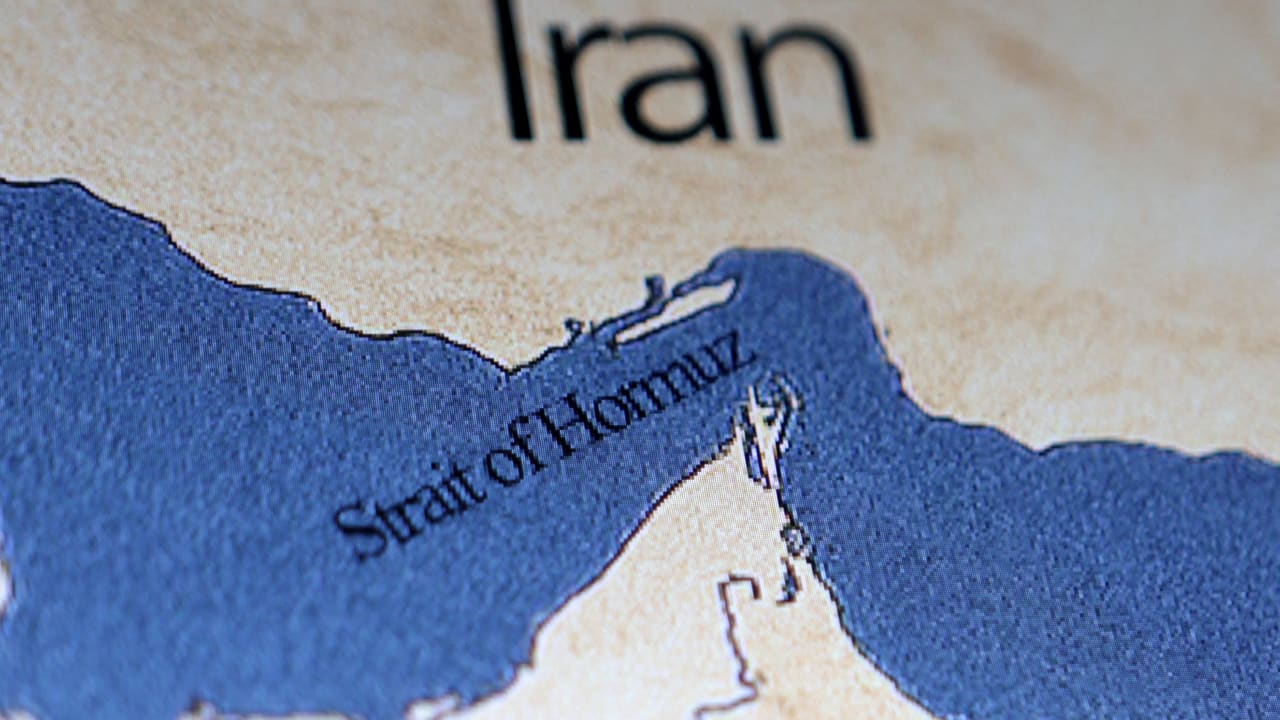
What has Iran done in the past? Iran has threatened to close the Strait of Hormuz many times over the past four decades, often during periods of confrontation with the US or the West. The narrow waterway, which carries around 20 percent of the world’s oil shipments, is one of the most important maritime transits in the world.
Tehran first raised the threat of closure during the Iran–Iraq War in the 1980s, during the so-called Tanker War. Since then, Iranian officials have repeatedly used the threat during crises. In 2011–2012, Iran warned it could close the strait in response to Western sanctions targeting its oil exports.
Similar rhetoric emerged again in 2018 and 2019, when Iranian leaders suggested that if their own oil could not reach global markets due to sanctions, then the oil of others would not be flowing either. During that time, Iran mined four ships off the coast of the UAE near the Gulf of Oman and attacked two other ships in transit. Iran also hijacked another ship.
Iran is watching what the US does next
Iran is clearly watching what the US does next. It knows that US Marines are on the way. They could arrive in a week or two. It also knows that Israel is saying it wants to continue strikes for another several weeks. At the same time, Iran has seen that some countries are rejecting the US pressure to help secure the straits with naval ships.
The US has asked some countries to help, but some of these countries appear to believe that since the US did not coordinate with them or get their say in the initial strikes on Iran, they don’t want to be drawn in now. As such, Iran is watching the wheels in motion around the world and the region.
Iran also knows that countries such as Saudi Arabia, Iraq, and others will be looking at alternative pipelines to use. Therefore, Iran knows that if it does this for too long, countries will invest in alternative infrastructure. Iraq, for instance, is seeking to use two pipelines to send oil via Turkey.
At the moment, Iran likely believes that even a small threat can keep the Strait closed. That means it doesn’t have to destroy every ship. All it has to do is threaten or leave a few mines at sea. In addition, the same issue will affect major naval ships. Iran’s drones can be dangerous in small, confined waters. Iran is doing the same thing with its threats regarding the region. It has reduced its rocket and drone attacks dramatically.
It may have less capacity. However, just a few attacks can still cause chaos. These few strikes can be “quality” strikes, threatening energy facilities, airports, or even radars. Iran is gambling on this aspect of small chances and quality strikes to keep up the deterrence. Countries don't want small risks, and shipping firms don't either. They don't want any risk to crews or civilians.