We’ve heard it said, amongst all the chaos surrounding us globally, there are many "golden ages" coming to an end, some we did not even realize we were living in.
For some, this period marked a golden age for Jews in the diaspora, when it seemed that antisemitism could never again reach the heights it once did. For others, it was the unity of Europe and its allies, aligned more than ever before in history.
And for some, it was a golden age of freedom, where the voices of dissent were valued more than echo chambers. Yet, as we look around, it's impossible to ignore that things are changing fast.
But one golden age that may be quietly coming to an end, and perhaps already has, is that of diplomacy itself. As someone who served in the Israel Air Force in International Relations, I was trained in the subtle art of military diplomacy. However, the landscape has shifted drastically in less than a decade.
I believe the turning point came with Donald Trump's surprising election in 2016. His blunt, no-holds-barred approach to international relations shook things to their core.

We witnessed his brash statements toward Mexico during his campaign announcement, calling the country "not our friend" and accusing China of currency manipulation and blackmail. Trump's open disdain for NATO and willingness to challenge long-standing global norms caught the world off guard.
This new approach wasn’t isolated. It opened the door for other leaders, like former British prime minister Boris Johnson, who declared Brexit the "Golden Age" for Britain, isolated European allies, and drove a digger into a wall, and Venezuelan president Nicolás Maduro, who didn’t hesitate to challenge the very core of democratic principles. It needs no reminder that Maduro was captured by the US in a January 2026 operation and brought to America. Nobody had that on their bingo card.
It’s as if Trump sparked a wave of political leaders unafraid to tear up the rulebook. From then on, lines that once seemed immovable began to blur, and chaos followed in their wake.
Albright: Trump's disdain for diplomacy a lack of respect for institutions, diplomatic practice
Madeleine Albright, US diplomat and former secretary of state, called Trump's "disdain for diplomacy" a signal of "lack of respect for the institutions and practice of diplomacy.”
While this has been building for years, and pre-dates even Trump’s rise to political power, we have just witnessed a moment that brings it all to a head.
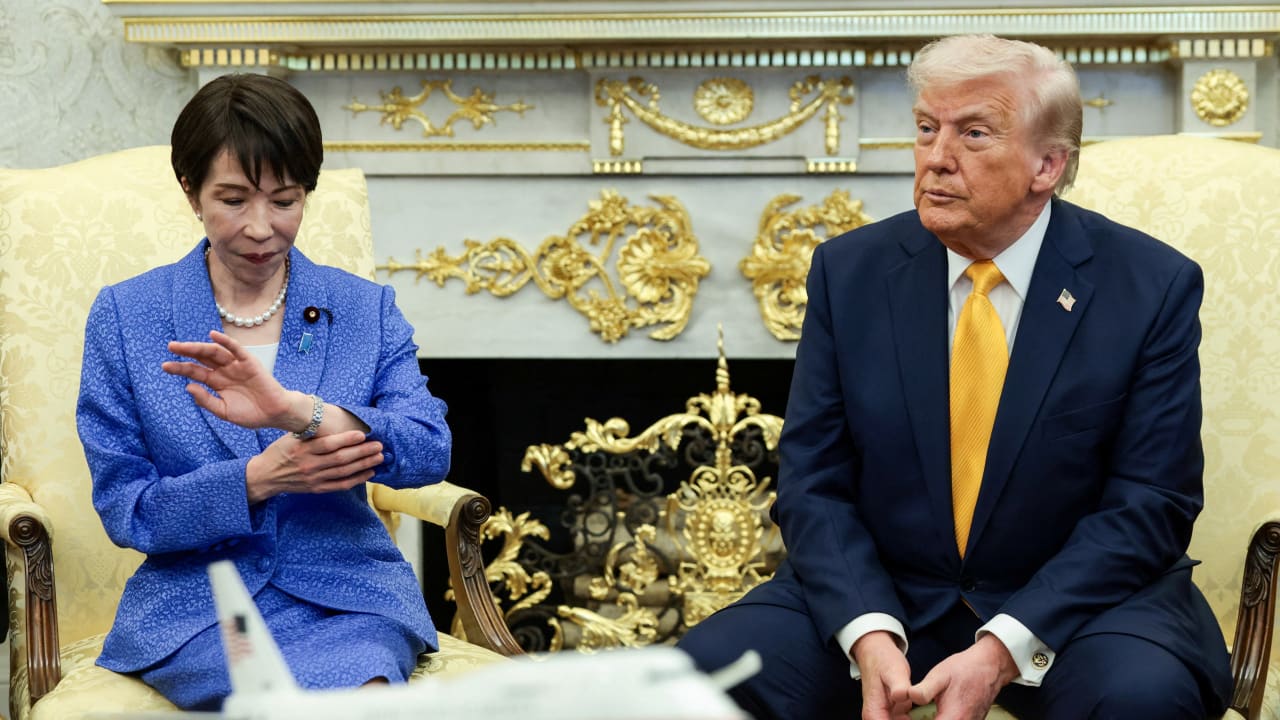
During a press conference with Japanese Prime Minister Sanae Takaichi on January 19, when asked about the surprise attacks on Iran, Trump quipped, “Who knows better about surprise than Japan? Why didn’t you warn me about Pearl Harbor?” The diplomatic rules of engagement seemed to vanish in that instant.
What followed was pure outrage, but perhaps more tellingly, it exposed how drastically global diplomacy had evolved. There was a time when such remarks would have been unthinkable. Now, they sparked divided opinions.
Trump’s supporters found humor in his comment, while others viewed it as a massive disrespect to a world leader. But here’s the question: Is this shift permanent? Is the era of beating around the bush over? And, if so, what kind of diplomatic world are we entering?
Not all experts find this to be worrisome. Kishore Mahbubani, a Singaporean geopolitical analyst, has said, “All great powers will put their own interests first…Trump is behaving like a rational geopolitical actor in putting what he perceives to be his country’s interests first."
We’re left with more questions than answers, but one thing is undeniable: diplomacy, as we once knew it, has already changed. And this change could very well lead to unforeseen consequences. History has shown us what happens when countries stop viewing each other as partners and when nothing is off-limits.
Whether this shift was inevitable or whether we’ve reached a tipping point, only time will tell. But what’s clear is that the world will never be the same.
The writer is the studio manager at The Jerusalem Post.