Music, horror, Judaism – time for the Jerusalem Jewish Film festival.
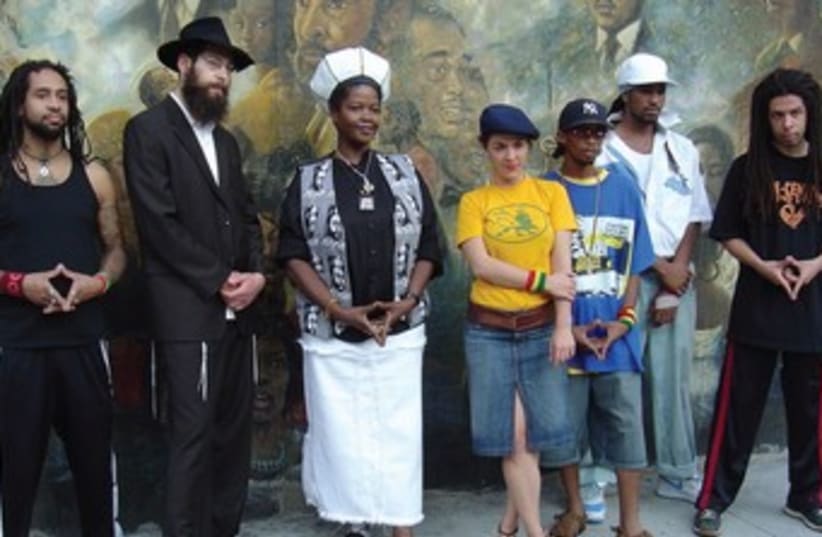
By HANNAH BROWNA little bit of this, a little bit of that(photo credit: courtesy)Great Jewish music, great Jewish horror, great Jewish minds and a focus on aliya – that’s just a sample of what’s in store at the 14th Jerusalem Jewish Film Festival this year, which runs from December 9-14 at the Jerusalem Cinematheque.The opening attraction this year is Sophie Lellouche’s Paris Manhattan, a French comedy about a single pharmacist, Alice (Alice Taglioni), who is obsessed with Woody Allen. Just as the specter of Humphrey Bogart advised Woody in Play It Again, Sam, Alice has frequent dialogues with a fantasy version of Woody Allen. When she meets a real man (Patrick Bruel, of Le Prenom and Un Secret), she has to get Woody to approve.This feature film is indicative of how much fun is in store for festival goers this year. The closing event is the documentary Awake Zion, Monica Haim’s look at the connections among reggae, Rastafarianism and Judaism. The documentary features a host of contemporary reggae performers, including Matisyahu. The screening will feature an introduction by Reggae Master Gil Bronstein and a reggae concert by My Lord Sound System. Haim will be on hand to present her film.The Kosher Beats section of the festival will showcase films on music. Roberta Grossman was here with her 2008 film Blessed Is the Match: The Life and Death of Hannah Senesh, and she returns to Jerusalem to present her latest documentary, Hava Nagila. It examines the history of the song and includes interviews and performances by such artists as Harry Belafonte, Glen Campbell, the Klezmatics, Connie Francis and Regina Spektor.Israeli music lovers will want to see Yahli Gat’s The Wind and the Darkness, a film about Naomi Shemer. William Hechter and Peter Miller’s A.K.A. Doc Pomus is a tribute to the American blues singer and songwriter, and Miller will be here to answer questions.You may not have realized that this year marks the 25th anniversary of the ever-popular Catskills-set romance Dirty Dancing, starring Jennifer Grey and Patrick Swayze. There will be a screening of the film, featuring live singing and dancing, and maybe even a drag queen or two.Another special program focuses on Jewish horror films and includes a screening of the restored version of the classic Yiddish film The Dybbuk (1937) by Michal Waszynski.There are a number of feature films from around the world on Jewish themes. Barbara Albert will present her acclaimed film The Dead and the Living (which features an appearance by Itay Turan), about a young European woman who learns some unsettling truths about her grandfather. Michael Pfeifenberger’s documentary Call Me a Jew deals with similar films, and the director will also be present.Brad Leong’s Dorfman stars Sara Rue and Elliott Gould as a daughter and father whose lives change when they become part of a revitalized downtown Los Angeles.Henry Jaglom’s Just 45 Minutes from Broadway stars Judd Nelson and tells the story of a family of actors and their reunion for a Seder.There will be a special panel on aliya that immigrants won’t want to miss. Called “Aliyah . . . A Recipe for Success,” it will feature kosher cuisine maven Jamie Geller presenting her film Joy of Aliyah, as well as a Nefesh B’Nefesh singles gathering.As always, the documentaries are an especially strong category. Magnus Gertten will attend the festival to present Harbour of Hope, his documentary about the rescue of Jews from concentration camps during World War II who were brought to Malmo, Sweden. The acclaimed film includes interviews with survivors and new archival footage. Other documentary filmmakers attending include Brigitta Ashoff, whose film Susan Sontag – The Glamour of Seriousness will be shown as part of the Great Jewish Minds section. Renata Schmidtkunz will present Landscapes of Memory – The Life of Ruth Kluger in this section.Avishai Mekonen’s 400 Miles to Freedom will be shown as a tribute to the Ethiopian community. The director will present the film, and there will a candle lighting for Hanukka with the chief Ethiopian rabbi.Renee Silverman will present Sosua: Make a Better World, about a performance by Dominican and Jewish teens in Manhattan’s Washington Heights neighborhood, in a show staged by Liz Swados, about the rescue of 800 Jews by the Dominican Republic during World War II.For more information, and to watch clips and order tickets, go to the festival website at http://www.jercin.org.il/JJFF_2012/Main.aspxFollow @JPost_Lifestyle
if(catID != 151){
var cont = `Take Israel home with the new Jerusalem Post Store