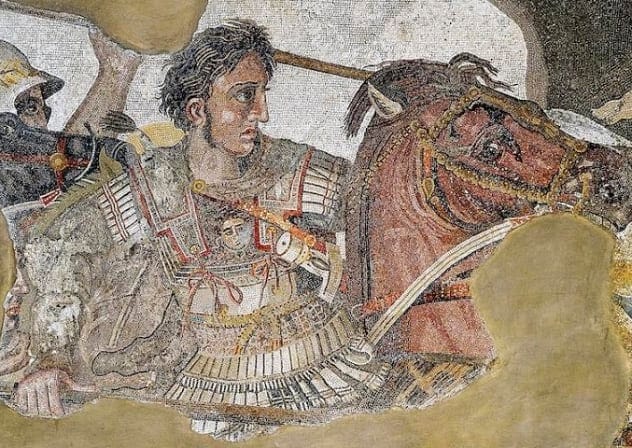
Polish archaeologists find clue to Africa’s “King Arthur” legend in rubbish pile
"He really existed," said the lead excavator after identifying royal-era fragments in the refuse.
In 1899, the young woman’s coffin, made of a hollowed-out oak log, had tumbled from an eroding cliff above the Baltic coast village. She was nicknamed by locals as the “Princess of Bagicz.”
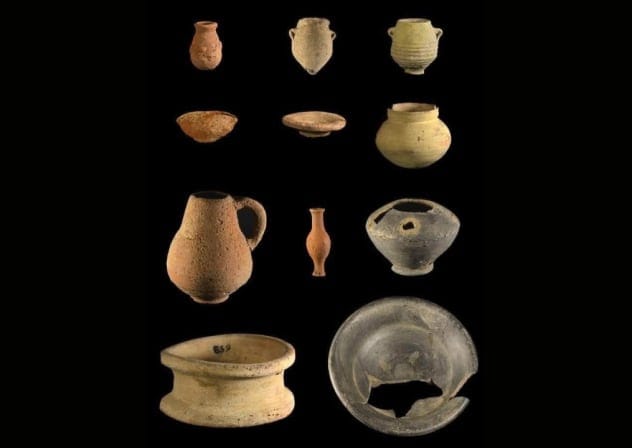
The fragments had been excavated from the Teleilat el-Ghassul archaeological site near the Dead Sea in Jordan between 1931 and 1938.
The survey is an ongoing project by the IAA meant to protect archaeological sites in the Judean Desert from looting and unauthorized excavations.
The tombs, discovered in the Qubbet el-Hawa site, were complete with shafts and burial chambers.
Researchers examined four frozen mummies recovered from the Ampato and Sara Sara volcanoes in southern Peru during the 1990s using CT scans.
In addition to the Ossick Lass, the remains of at least seven other individuals had also recovered from the cave.
German discovery of Stone Age art may reveal a precursor to writing
“This is the first time that AI-driven simulated play has been used in concert with archaeological methods to identify a board game,” Crist concluded.
The bottle, produced between 1870 and 1890, was found this past summer at an archeological site in Alta, Utah, a former mining town turned ski resort.
Tests indicate the meter-long (3.3-foot) weapon likely belonged to a 12th-century Crusader who brought it from Europe.