Organ donor cards enable 3 to jump to head of line
Patients who had recently signed organ donation cards receive precedence as organ recipients.
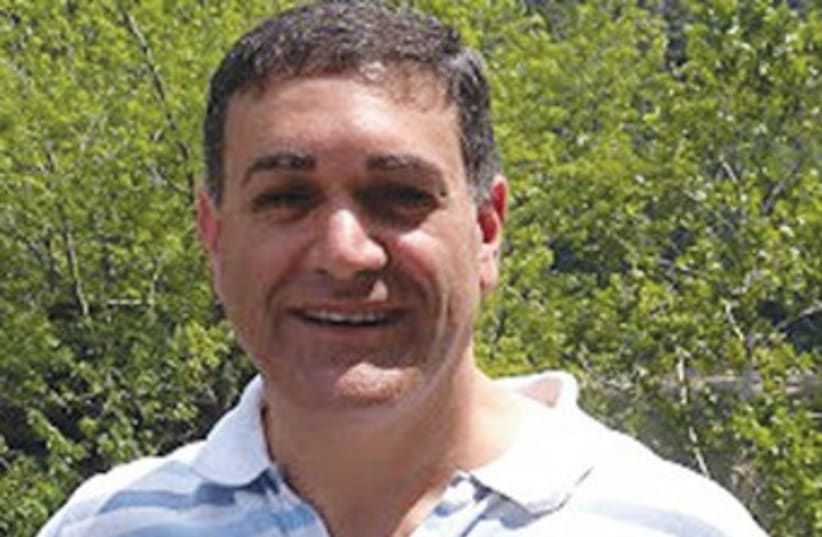
By JUDY SIEGEL-ITZKOVICHREUVEN LAVI 370(photo credit: Courtesy ADI)
Three people who signed organ donation cards in recent months were the first to receive precedence as organ recipients in an arrangement ADI-The National Transplant Center, designed last year to encourage donor registration.The three would not otherwise have been currently qualified to receive organs.Soroka University Medical Center in Beersheba admitted a 48-year-old man, Reuven Lavi, last week, who suffered from severe brain damage due to an ischemic stroke (a clot in his brain). When all the doctors’ efforts to save him failed, he was declared dead.A total of four patients underwent organ transplants at the Rabin Medical Center-Beilinson Campus in Petah Tikva, while another two received corneas that restored their sight.A 62-year-old man received Lavi’s heart; a 57-year-old man his liver; a 34-year-old man and a 59-year-old woman each received a kidney. The cornea recipients were women in their mid-50s.A representative of the Lavi family said they were shocked and in great pain over Reuven’s sudden death, but received consolation from the fact that he gave life to others.“We wish the recipients a complete recovery and a long life,” his aunt said.The recipients of the liver and the kidneys were those who benefited from the ADI program for signers of organ donor cards. The heart recipient received the organ because his condition and suitability put him in the first position entitling him to it.ADI has some 670,000 potential donors registered in its databank. The program giving precedence to ADI card bearers continued for almost a year until April 1, 2012, during which 70,000 additional card signers were added to the list. It was the first time in the world that such a program was implemented, causing other transplant organizations to show interest.This demonstrates that the program works, ADI said. From now on, new organ donor card bearers will have to wait three years to be entitled to receive organs out of turn.In addition, the donor recipient was involved in the country’s first “liver domino transplant.”Until now, such an arrangement to increase the number of organs has been carried out in Israel only for kidneys.A liver was taken from deceased person and transplanted into a recipient whose liver was transplanted into another recipient. The reason for the complex procedure is that one patient suffered from a metabolic disease; the cadaver liver was transplanted to halt the disease. But his own liver was simultaneously transplanted into the other patient who suffered from cirrhosis and a tumor. The surgical procedures took 10 hours and were successful, with both patients in good condition.The first man, 61, had a rare genetic disease called familial amyloidotic polyneuropathy, which causes the liver to produce a defective protein.Prof. Ran Tur-Kaspa, head of the hospital’s liver institute, said that as a result of the disorder, damage was liable to be caused to the nervous system, leading to other disorders involving the heart and digestive system and even death. Receiving another liver was the only way to stop the disease.Even though the liver that was removed produces the problematic protein, it functions normally and would not cause the disease in a patient who received it for five to 10 years at least. Thus it was decided to implant the liver into a 65-year-old man, who had cirrhosis and a tumor, who was just as desperate to get a suitable liver. The domino procedure was his only chance to survive.Prof. Eitan Mor, head of organ transplantation in Beilinson, said among the difficulties of removing a liver from a live patient was cutting the blood vessels leading to the organ in a way that allow it to be transplanted in the second person while leaving enough vessels for the new liver.“We are happy that we succeeded and helped two patients simultaneously despite the severe shortage of organs,” Mor noted.Rabin Medical Center director- general Dr. Eyran Halperin said he was proud that such complicated procedures saved the patients’ lives.
if(catID != 151){
var cont = `Take Israel home with the new Jerusalem Post Store