What really satiates us? | Dr. Maya Rosman
An in-depth look at the winning combination of food volume, proteins, and dietary fibers, as opposed to the psychological habits and the mental need for carbohydrates that we all know.

An in-depth look at the winning combination of food volume, proteins, and dietary fibers, as opposed to the psychological habits and the mental need for carbohydrates that we all know.


Try the snack that provides protein, dietary fiber, and long–lasting satiety, and is also very easy to make at home.

They are small, highly photogenic, and considered more prestigious, but are quail eggs healthier than regular eggs? Here are all the facts.

Red raspberries are the most nutritious fruit of the season, thanks to an unprecedented amount of dietary fiber, vitamins, and antioxidants that strengthen the immune system.

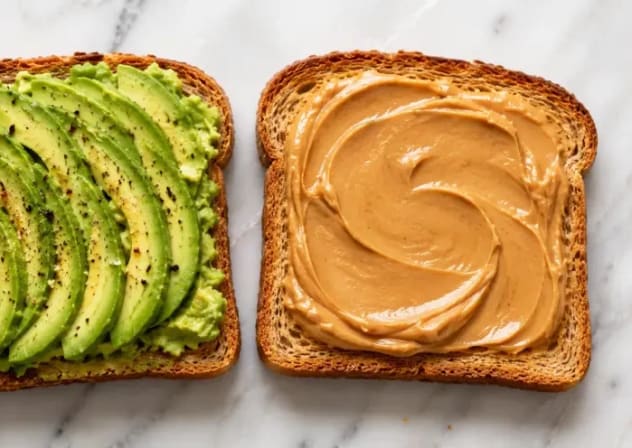
It is time to settle the debate – which is the best topping for toast? Avocado and peanut butter both possess excellent nutritional values – here is everything you need to know.
What started with face masks and aesthetic clinics has become a global trend in the fitness, recovery, and longevity world. This is how infrared stepped into the center stage.

Do you also eat dinner and feel hungry again before bed? Dr. Maya Rosman has a method that will help you avoid unnecessary snacking.

Tired parents look for a quick solution to the baby's nightly crying, but doctors warn that this common habit could cause infections, reflux, tooth decay, and even breathing difficulties.

A new study by the Ministry of Health reveals a sharp spike in the consumption of ADHD medications alongside a dramatic shift in the types of drugs prescribed in Israel.

From explosive power to recovery management: How the two superstars manage to maintain their bodies even in the fifth decade of life, and what all of us can adopt from them.

Ashwagandha, spirulina, mankai, and special mushrooms promise to improve memory, reduce stress, and extend life. But behind the glittering promises often hides a far less dramatic scientific reality.
