Trauma is a reality, but hope is a strategy
Hope is a rigorous, strategic framework built on early intervention, structured support, and a collective refusal to let trauma dictate a child's future.

Hope is a rigorous, strategic framework built on early intervention, structured support, and a collective refusal to let trauma dictate a child's future.


A large meta-analysis, studying five decades, has found a dramatic and sustained decline in testosterone levels among men, raising concerns that the male fertility crisis is deeply misunderstood.

Around the world, some 1.5 billion tires are produced each year, and tire-wear particles are increasingly recognized as one of the largest sources of microplastic pollution.

The researchers identified a unique biological mechanism that could enable the regeneration of sensory hair cells in the inner ear – a process previously thought to be impossible in humans.

Esther Marcus, a Kibbutz Alumim resident and therapist, helped establish resilience centers for survivors while coping with the sudden death of her husband, Stevie, after October 7.
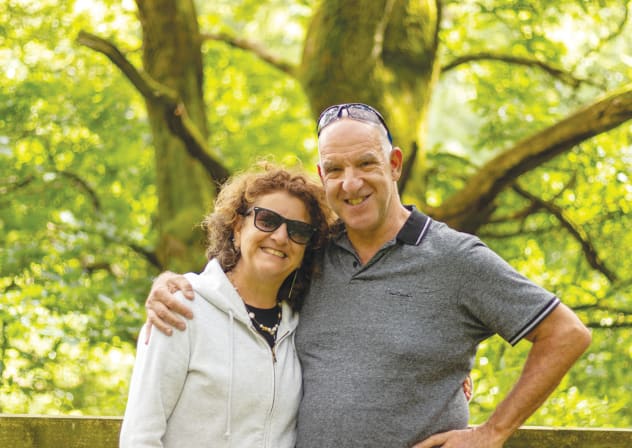
Two-and-a-half years since her son’s death, Iris Haim is actively engaged in the development of a project that is directly tied to the essence of her son – Beit Yotam.

Why is it recommended to prefer calcium from food, how do high doses affect blood vessels, and how to correctly calculate daily intake to protect bones without taking risks?

Vitamin E is not a substitute for sunscreen, a hat, or avoiding excessive sun exposure. But it is indeed part of the body's natural defense system. Here is how to consume enough of it.

A study has found that difficult experiences in the first years of life may alter the communication between the brain and the gut and raise the risk of abdominal problems even many years later.

More cases of melanoma are being diagnosed at relatively young ages. The explanation is not a sudden biological change in the population, but rather a combination of several factors.

Meet lycopene: The powerful antioxidant that protects the heart and skin, and why olive oil and cooking actually upgrade its absorption in the body.
