The morning habit that helps your health – but severely harms your teeth
Lemon water has become the symbol of a healthy morning routine, but the high acidity of the lemon is liable to damage tooth enamel with frequent and improper use.

Lemon water has become the symbol of a healthy morning routine, but the high acidity of the lemon is liable to damage tooth enamel with frequent and improper use.


The state expanded the pool of health professionals allowed to administer measles-mumps-rubella (MMR) vaccines as cases rise in rural communities.

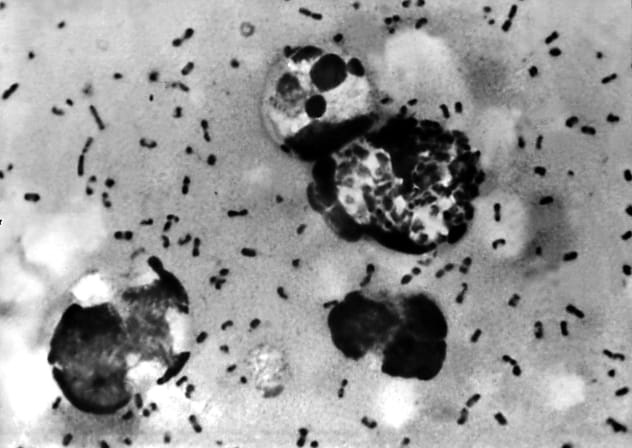
Early Russian reports wrote that Shipilova had contracted the pneumonia after breaking a vial of plague bacteria.
A digital scan and an in-house laboratory can shorten some crown treatments to one visit. The more important question is when the clinical situation makes that appropriate.

The foundation brings interactive therapeutic performances to pediatric hospitals across Israel. Led by trained actor-therapists, the programs are tailored to children’s physical and emotional needs.

The holiday period has ended. Dr. Sigal Mazor, director of the Department of Health Education and Promotion at Clalit, provides a series of recommendations on returning to routine.

Garlic is considered one of the healthiest and most thoroughly researched foods in the kitchen, but in large amounts or as a concentrated supplement, it may affect blood clotting.

Eli Sharabi partners with Shalva to create an Ashkelon center honoring his wife and daughters, while providing disability services and trauma care for the South.

A first-of-its-kind Israeli study found that most young people with type 1 diabetes completed Jewish fasts safely, with insulin pump changes improving their chances of success.

A Hebrew University study finds that eating with someone close may reduce blood sugar spikes and help the body regulate itself more efficiently.

Clear policies, confidential support and a healthy workplace culture can help employees address addiction while giving employers practical tools to support recovery and productivity.
