'The emotional cost has been unbelievable': How three years of war have changed Israelis - study
ERAN is hearing from Israelis who never entered the formal mental-health system but are desperate for help.

ERAN is hearing from Israelis who never entered the formal mental-health system but are desperate for help.


October marks International ADHD Awareness Month, presenting an opportunity to shine a spotlight on the most invisible group: Adult women.

A new study examined whether forest medicine intervention in participants recognized by the Defense Ministry improves their condition. The result: 70% showed a trend of improvement.

Through the Simkins Family Foundation, Nicole and Michael Simkins support a new wellness center at the Israel study abroad program where their relationship began

For children with school anxiety, returning to the classroom can cause real distress. Schneider Children's Medical Center developed a two-week program to strengthen their sense of capability.

Soon the clock will move back one hour, but our biological clock does not always synchronize at the same speed. A doctor explains what happens to the body during the transition to winter time.

Our behavior, both subtly and overtly, offers a message that we hand down to future generations – to our children, grandchildren, and great-grandchildren.

Founded in the hours after Oct. 7, SafeHeart draws on expertise in trauma and psychedelic harm reduction to help Nova survivors rebuild their lives – through care rooted in the community itself.

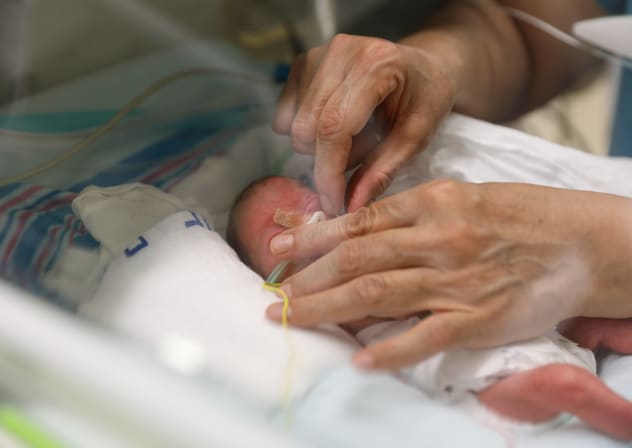
A joint Australian-Israeli study identifies how premature birth disrupts kidney development, potentially leaving babies with a lifelong shortage of vital filtration units.
Tiberias Mayor Yossi Nava attacks the Health Ministry's demand to post warning signs at Sea of Galilee beaches following the death of a child infected with Naegleria fowleri.

There are many common myths regarding health improvement and weight loss, and studies over the years have shown a different reality. Here are some of the common mistakes.