What energy drinks really do to the body
They look like just another soft drink, and promise immediate alertness. But behind the bright colors and sweet taste of energy drinks hides a combination that could be dangerous.

They look like just another soft drink, and promise immediate alertness. But behind the bright colors and sweet taste of energy drinks hides a combination that could be dangerous.


A massive review found that even moderate alcohol consumption is linked to an increase in the risk of various types of cancer.

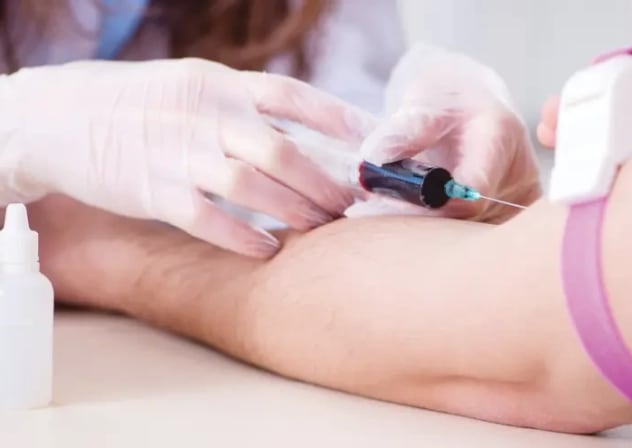
Blood tests have become in recent years one of the greatest sources of anxiety for patients. In most cases there is no reason for concern, but there are values that require investigation.
Painkillers are sold over the counter and are considered safe, but incorrect combinations, double dosages, and a lack of awareness regarding active ingredients can cause significant harm.

The vaccine, intended for people 50 and older, is based on mRNA technology and was found in an advanced trial to be more effective than a standard flu shot.

Allulose as an innovative sweetener: These are the metabolic benefits, this is also the comparison to sugar, and the consumer importance of reading the full ingredients list in processed products.


Former US Director of National Intelligence Tulsi Gabbard accused former NIAID director Dr. Anthony Fauci of suppressing information regarding the origin of the COVID-19 pandemic.

The European Centre for Disease Control said the outbreak continues to affect the DRC and Uganda, while the risk to the general population in European and other Western countries remains low.

The amount of sugar is certainly significant, but how much the candy or snack sticks to the teeth is also critical. So, what will damage your teeth the least?

Clalit Health Services will join an international consortium of health authorities to create an AI research platform to predict and manage pandemics in advance.
