The Egyptians were struck by ten plagues before they agreed to set Am Yisrael free from servitude. Of them, we read in our weekly Torah portion, Parashat Va’era, of seven plagues: blood, frogs, lice, wild beasts, pestilence, boils and hail.
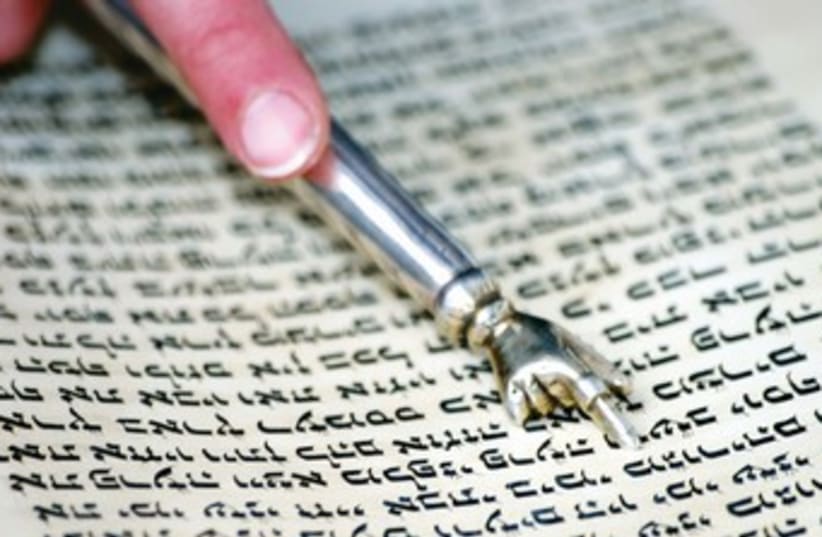
By RABBI SHMUEL RABINOWITZTorah reading 370(photo credit: Marc Israel Sellem /The Jerusalem Post)
The Egyptians were struck by ten plagues before they agreed to set Am Yisrael free from servitude. Of them, we read in our weekly Torah portion, Parashat Va’era, of seven plagues: blood, frogs, lice, wild beasts, pestilence, boils and hail.When we look carefully at the verses in the Torah that deal with the plagues that came down on the heads of the people of Egypt, we notice what seems like a technical detail: Not all the plagues were brought about by the central leader – Moshe, sent to liberate Am Yisrael and take them out of Egypt. Some were actually brought about by his brother Aharon.Was there a reason for this “division of labor,” or did it happen without previous intent? Our sages tell us in the Midrash that the division was done intentionally.There were plagues that Moshe could not bring about because they were done by hitting water or earth. Since in the past he had been saved from various hardships by the elements of water and earth, Moshe could not hit them, since he owed his life to them. If Moshe would have struck them, he would have shown them ingratitude; therefore, those plagues were brought about by Aharon.And here we pause and ask: Is there any significance to gratitude toward inanimate objects such as water or earth? Would the water have been insulted or the earth offended if Moshe had hit them? What is the meaning of this strange Midrash source telling us of feelings of gratitude toward water and earth? This Midrash, and the question that follows it, bring us to a surprising conclusion: Gratitude is not meant to benefit someone else, but rather it benefits the grateful person himself. Conversely, ingratitude not only harms the one who did the favor, but also – and especially – the beneficiary who is ungrateful.Man instinctively recognizes a favor done for him, and knows to appreciate and return the favor to his benefactor. But the pride that also exists in man’s heart gets in the way of this feeling and does not allow him to recognize that a favor was done for him. We all recognize the phenomenon of people who are willing to pay a heavy price just so as not to need a favor from someone else. They are not capable of experiencing the indignity of receiving a favor, and when they have a favor done for them against their will, they try to find an explanation for why the benefactor was actually doing himself the favor.A folk tale is told of one of the well-known philanthropists of Jerusalem who would bestow upon any needy person a few small pebbles. When asked for the meaning of this strange tradition, he replied, “I know that whoever receives a favor from me will ultimately throw rocks on me, so, I would rather he have small stones and not large ones.”The feeling of gratitude is righteous and noble. If we manage not to blur it, we sense it toward any source of joy, whether it is a person, an animal or even an inanimate object. This feeling might have been slightly harmed in Moshe’s heart if he himself would have hit the water and the earth, which had protected him in the past. Neither of the two elements would have suffered from this ingratitude. The loser would have been Moshe himself, whose gentleness and nobility would have become rough and insensitive.Therefore, Aharon was the one who hit the water and the earth.Again we discover, in a seemingly marginal detail, an important message so necessary to our lives. From a distance of thousands of years, we discover that the stories in the Torah hold within them valuable and beneficial messages that contribute tremendously to ourselves and to our environment if we only notice them and try to walk in the footsteps of our nation’s great leaders, who outlined for us a way of life based on sensitivity, values and morals.Rabbi Shmuel Rabinowitz is the rabbi of the Western Wall and its affiliate holy sites.
if(catID != 151){
var cont = `Take Israel home with the new Jerusalem Post Store