Israeli father killed in Slovenia while rescuing seven-year-old son from ravine fall
Gail Hillel, a father of three from Kibbutz Yizrael, died in Slovenia after falling into a ravine while attempting to save his young son, who was seriously injured.

Gail Hillel, a father of three from Kibbutz Yizrael, died in Slovenia after falling into a ravine while attempting to save his young son, who was seriously injured.


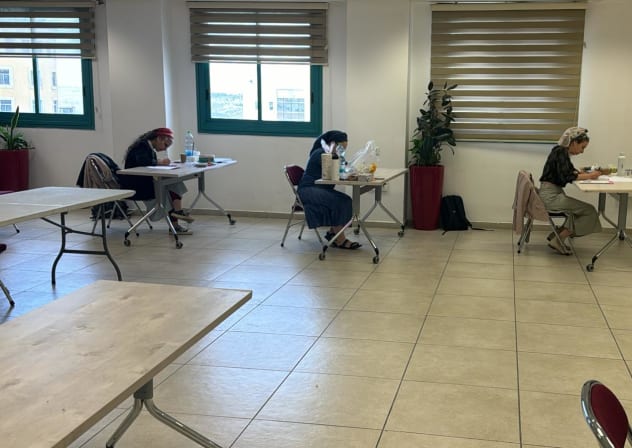
After women faced severe delays during historic first exams, ITIM threatens legal action against the Chief Rabbinate to ensure equal venues and testing conditions for upcoming certification tests.
A World Jewish Congress delegation met Slovenian Prime Minister Janez Janša and senior officials following the opening of Israel’s first resident embassy in Ljubljana.

Does IDF AI facilitate "mass killing" or minimize civilian casualties? Unpacking the controversy behind the documentary 'NAZA'.

The EU's 27 member states are divided on Israel, with some highly critical of the country and others maintaining close ties.

Among Jewish Israelis, 16% said peaceful coexistence was possible, and 64% said it was not. Among Arab Israelis, 23% said it was possible, and 26% said it was not.

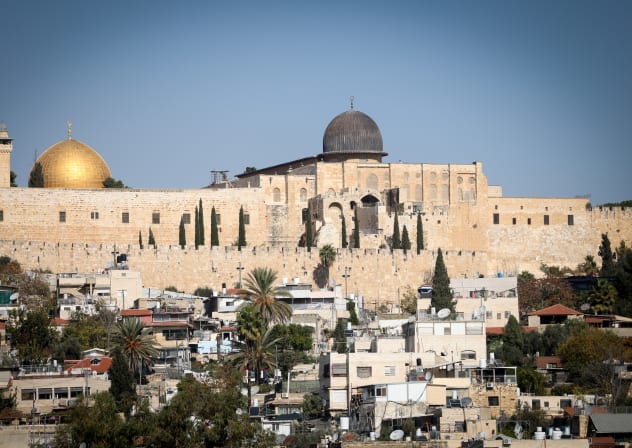
A police investigation is underway in Silwan after a Jewish man allegedly fired warning shots into the air following reports of stones being thrown at a group of young Jewish men.
National Security Minister Itamar Ben-Gvir affirmed that should the terrorist who carried out the shooting attack is not killed during the manhunt, "he belongs on the gallows."

IDF troops and Border Police officers are currently operating at the scene and have arrested a second terrorist.

The terrorist is believed to have opened fire on Israelis ritually immersing in a nearby spring ahead of Yom Kippur from a passing vehicle.

According to the report, the man, who was born in Ukraine but is an Israeli citizen who has lived in Israel for many years, was detained during a document check.
