There will be a Palestinian majority in the Negev by 2050, Haggai Reznik says
“We need to prevent Palestinian women from entering," said Reznik. "The state funds and allows this. By 2050, there will be a Palestinian majority in the Negev.”

“We need to prevent Palestinian women from entering," said Reznik. "The state funds and allows this. By 2050, there will be a Palestinian majority in the Negev.”


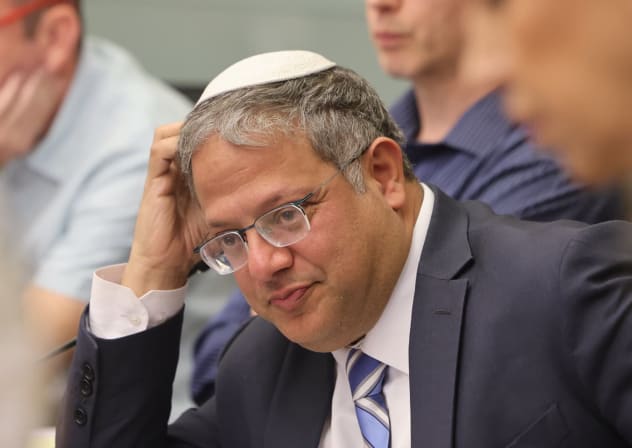
The warning comes against the backdrop of a broader legal battle over Ben-Gvir’s authority over the police and his alleged interference in operational and personnel decisions.
The IDF confirmed to The Jerusalem Post that a missile fragment struck Ramat David Airbase during the recent Iran escalation, causing minor damage but no injuries or disruption to flight operations.

If the person asks for a female doctor to be part of the panel, NII will try to grant the request, depending on whether a female doctor is available in the relevant medical field and location.

During a tour of northern Israel, Herzog addressed Aoun and the people of Lebanon in Arabic, saying that he extends a hand of peace towards them.

Israel Police said later on Wednesday that the Jerusalem protests had been dispersed and roads had reopened to traffic.

It proposes that the State of Israel "recognize those who commit themselves to long-term dedication to Torah study as performing significant service to the state and the Jewish people."

Sa'ar said that he thanked Marape for his support and friendship with Israel, specifically noting that Marape had decided to move Papua New Guinea's embassy to Jerusalem in 2023.

President Isaac Herzog praised Liheyot Ye’udi at the President’s Residence, calling on students to continue spreading Rabbi Sacks’ teachings.

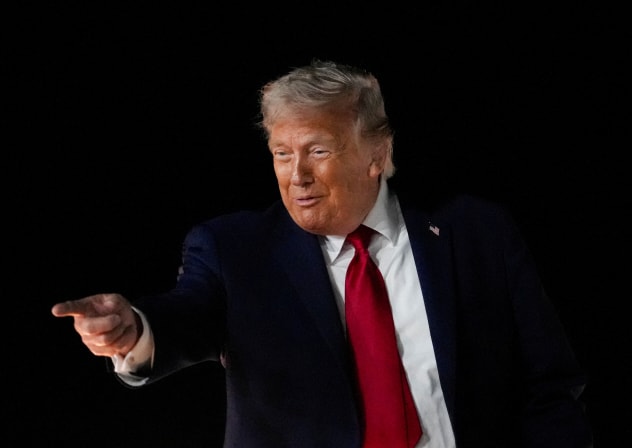
The former counterterror head of the Mossad said that Trump "does not understand the terminology of the Middle East, not the dialectic, and the Iranians are teaching him a lesson in that regard.”
On Tuesday, the United Kingdom, Canada, Norway, France, New Zealand, and Australia announced new sanctions against several individuals and organizations in the West Bank.
