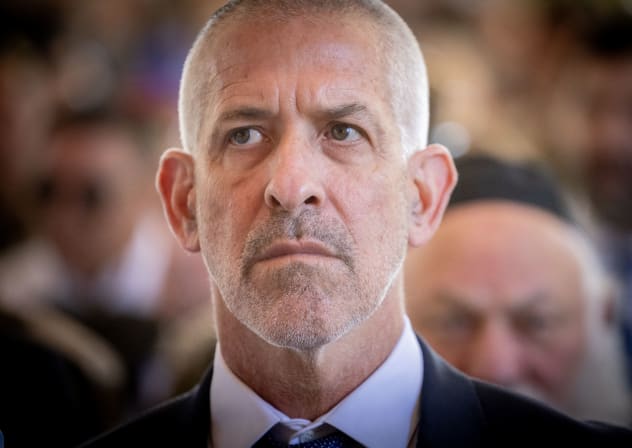
How deeply are Israel's Mossad spymasters involved in Iran protest crisis? - analysis
When it comes to the spy agency and Iran, there is always far more than meets the eye.
Analysts warn that a strike could strengthen Tehran’s internal cohesion even as it weakens Iran’s regional network and raises the risk of wider conflict.
The US lowered the warning after it evacuated troops from Al Udeid air base and other bases in Gulf states due to threats made by the Iranian regime.
The committee is expected to meet for the first time on Thursday in Egypt, crossing the Rafah border, a Palestinian source told Agence France-Presse.
The move, which follows the lifting of US sanctions on Syria late last year, comes as the country's central bank tries to recapitalise a banking sector severely impaired by 14 years of war.
Earlier on Thursday, Pakistani outlet Dawn reported that Trump had informed Tehran that the US would not strike the country.
Riyadh declared the move a threat to its national security, called on the UAE to withdraw, and backed an offensive that swept the STC from power.
“It was a secret poll which said that 92% of the Iranian people hate their regime,” Sabti said, according to a transcript provided to The Jerusalem Post.
Shortly after the strike began, rocket sirens sounded in Kibbutz Nahal Oz in the Gaza border community. The sirens were almost immediately deemed a false alarm.
Syria’s President Ahmad al-Sharaa “affirmed that the injustices witnessed in Syria during the decades of the deposed regime’s rule affected all segments of the Syrian population without exception.”
The Iraqis said that the aid is “an embodiment of Iraq's steadfast position in support of the Palestinian cause, and stemming from the humanitarian commitment of the Iraqi government and people.”