Houthis claim responsibility for deadly Saudi Arabia strikes, Iranian, Saudi FMs discuss tensions
Iran rejects US proposal to reopen Strait of Hormuz • Tanker struck by drone off coast of Oman • Syria-Saudi Aramco sign deal financing oil imports

Iran rejects US proposal to reopen Strait of Hormuz • Tanker struck by drone off coast of Oman • Syria-Saudi Aramco sign deal financing oil imports


The two diplomats discussed escalating tensions in the region in their first publicly reported contact since Iran-aligned Houthis intensified strikes against Saudi Arabia.

The bank said the transaction opened a channel for financing oil imports and settling payments through the formal banking system. Saudi Arabia also signed three energy MOUs with Gulf states.

"We presented seven conditions to the Americans and clearly stated that the Strait of Hormuz would not be opened to them, and no negotiations would take place," said Iran's security chief Rezaee.

“My sense is that they’re not going to buckle. They’re not going to just capitulate to the Houthis because of this,” Bernard Haykel explained to The Post.

An unidentified projectile struck Terminal 4 at Riyadh airport, sparking a fire, a day after an attack killed at least 12 people and wounded more than 300.

US Security Coordinator Lt.-Gen. Sean M. Salene also warned that the threat of Hamas itself is much broader than its immediate forces on the ground confronting Israel.

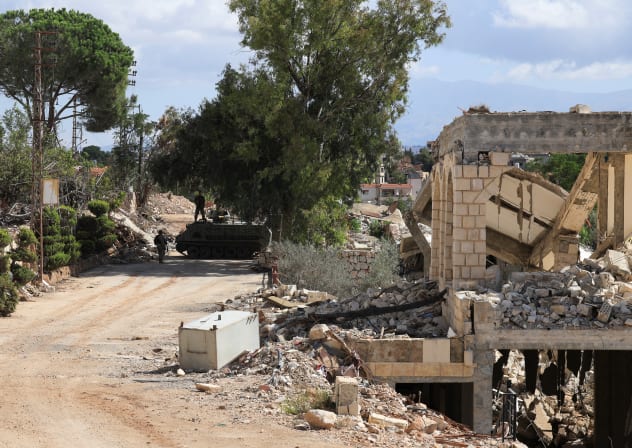
Lebanese forces seized 500 kg. of explosives allegedly linked to Hezbollah, sparking fears of political assassinations and renewed calls to disarm the group.
Hamas could use the election delay to rebuild political legitimacy and retain influence in Gaza through an allied PLC list, Prof. Kobi Michael told The Jerusalem Post.

CSA released its “Abraham Accords Expansion Opportunities: Middle East Analysis” report on October 8, assessing nine Muslim-majority countries without formal diplomatic relations with Israel.

The US is urging all sides to refrain from violence and resolve their differences through dialogue. The State Department made the comments in response to questions from Rudaw.
