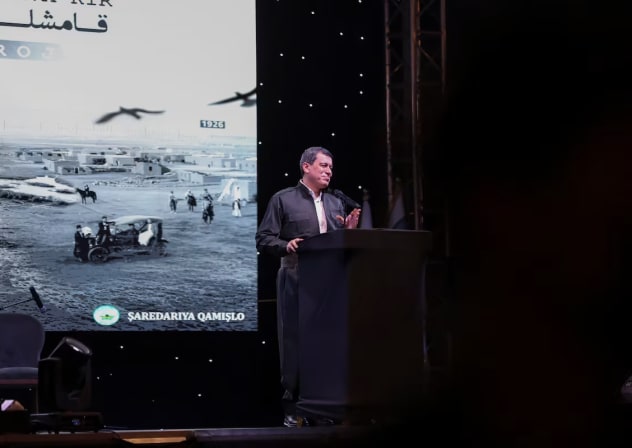
Iranian-backed militias escalate in Iraq, targeting Kurdistan Region president Nechirvan Barzani
The attack has been condemned by France and Iraq, but Iran has distanced itself from the incident.
Over 40% of Iran's population lives below the absolute poverty line, with that figure exceeding 50% in the capital. Economists warn, however, that the real poverty rate may have climbed above 60%.
The Houthis successfully hid missiles in caves for years, and the US, Israel, Saudi Arabia, and others were not able to stop the missile and drone attacks or dislodge the group.
Stockpile concerns push the defense establishment to rely on less advanced systems, with mixed results.
The four countries will hold "in-depth discussions on a range of issues, including efforts to de-escalate tensions in the region."
On Saturday, a drone fell in Iraq's Majnoon oil field, but did not explode, according to the country's Defense Ministry.
A weekly selection of opinions and analyses from the Arab media around the world.
Lebanese President Joseph Aoun condemned the incident, claiming that the strike "violates the most basic principles of international law, international humanitarian law, and the laws of war."
Heavily armed and capable of striking Gulf neighbors, any involvement in the Iran conflict by the Houthis could cause major disruption to maritime navigation around the Arabian Peninsula.
According to The Washington Post, the mines used were American BLU-91/B anti-tank land mines, which are deployed by aircraft using the Gator mine scattering system.
Tehran could use the Houthis to take action in the Bab al-Mandab Strait, which connects the Red Sea to the Gulf of Aden and the Indian Ocean.