IDF is ready and prepared for fighting with Iran to resume, Arabic spokesperson Waweya says
"We do not wait for missiles to fall or for the enemy to knock on our door before getting ready," Lt. Col. Ella Waweya said.

"We do not wait for missiles to fall or for the enemy to knock on our door before getting ready," Lt. Col. Ella Waweya said.


A US military official told the NYT that almost a dozen US soldiers injured by Iranian attacks across the region in July were flown to a US military hospital in Germany for treatment.

If Washington moves ahead with a Saudi nuclear deal, Israel's challenge shifts from trying to stop it to shaping its final terms to protect its security interests.
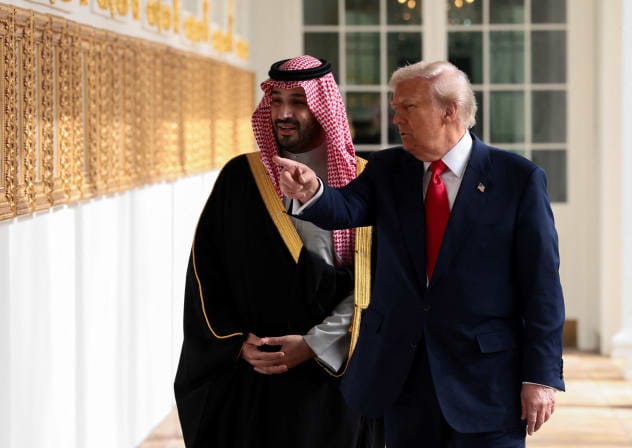
"I am considering a massive attack. Bigger than ever before. I am close to making a decision. We are all set for it," the US president told Axios.

Four sources familiar with the matter said Iran flew IRGC personnel and military equipment from Tehran to Yemen on July 13, in a previously unreported transfer.

Mehdi Khaneki was executed for "operational actions" that benefited Israel, the United States, and hostile groups, as well as for what the judiciary described as crimes committed during the protests.

Zaidi's visit also comes more than a week after he met with US President Donald Trump on July 14.

The 450-acre site, which has awaited joining the world heritage list since 2012, has a history dating back at least 3,000 years.

Prime Minister Netanyahu supported Saudi Arabia's potential joining of the Abraham Accords, saying it would be "a historic leap forward for peace in the Middle East."

The new Iraqi policies from Washington dovetail with Syria’s stability and new oil and energy deals that will see Iraq export oil through Syria.

Ambassador Al-Aklouk said the neologism 'Wholocide' was inspired by the "genocide victims themselves who described what they endured as being like 'the horrors of the Day of Judgment."
