Iran’s oil minister: Crude sales remain strong, revenue to aid industry repairs
Iran’s oil sales remain strong despite the ongoing conflict, with revenue allocated to repairing industry damage caused by wartime attacks, says the oil minister.

Iran’s oil sales remain strong despite the ongoing conflict, with revenue allocated to repairing industry damage caused by wartime attacks, says the oil minister.


A source involved in the talks said the parties came "very close" to an agreement and were "80% there" before running into decisions that could not be settled on the spot.
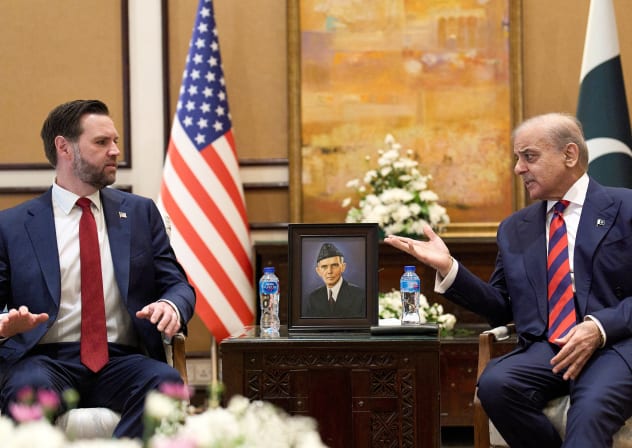
Trump said he didn't want to comment on what would happen if a deal wasn't reached by the end of the ongoing ceasefire, but that "it won't be pleasant for them, let me put it that way."

A creator behind viral Lego-style pro-Iran videos told BBC that Tehran is a client, while spreading false claims about the US, Israel, and war events.

Meanwhile, Netanyahu says Israel fully backs Trump’s blockade of the Strait of Hormuz, rejects claims of a rift with Washington, and stresses US demands to halt Tehran's nuclear enrichment program.

In recent years, Ukrainian drone-makers have unveiled and combat-tested several drone interceptors that can sometimes be 3D-printed and cost significantly less than traditional air defense systems.

Trump said the US military would work with other countries to block all maritime traffic in the waterway, after weekend talks failed to reach an agreement to end the six-week conflict with Iran.

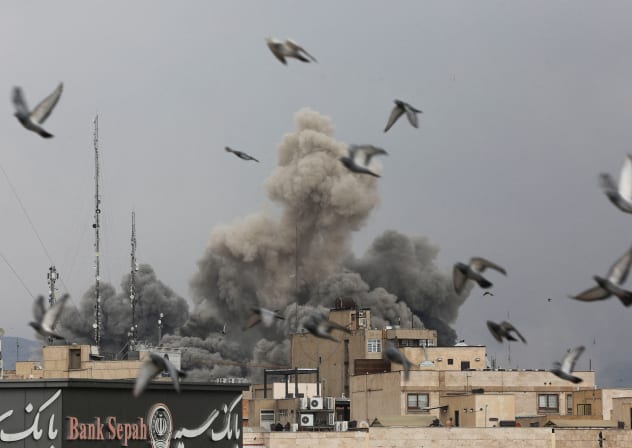
The US has not officially taken responsibility for the strike.
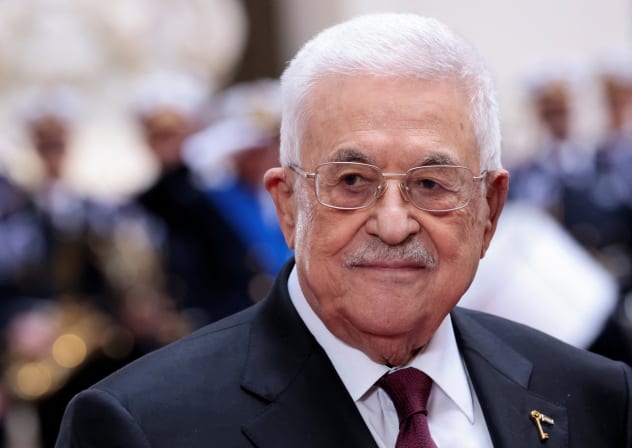
Fatah leadership announced that Palestinians who served 20 years or more in Israeli prisons would be members of the conference.
Turkish Foreign Minister Hakan Fidan's remarks came just a day after President Recep Tayyip Erdogan sharply escalated rhetoric by threatening possible military action against the Jewish state.

Archbishop Emil Nona was born in the Iraqi town of Alqosh in 1967 and was appointed Archbishop of Mosul in 2009 at the age of 42.
