RELATED:Amid controversy, Ariel theater opens with sold-out show'Promises to strengthen health service in periphery unkept'2,500 families make move to Galilee or Negev in 2010The project includes an annual NIS 11m. investment in developing “new quality projects,” by sending leading figures in the Tel Aviv theater, dance and music scene to cities in the periphery – where they will work with local artists to create a more vibrant local scene.According to the ministry, some of these initiatives include sending people from the Cameri Theater to Ofakim and Kiryat Shmona; and representatives of the Habima National Theater to Sderot in the South and Ma'alot-Tarshiha in the Galilee.Livnat said these theater directors, dance instructors and musicians will live in these communities and help cultivate local talent to develop a local arts scene.This portion of the plan also includes living subsidies for artists who move to these areas, and scholarships for students from the periphery who pursue studies in the arts.Livnat said that much of the impetus behind the plan is the desire to give residents of the periphery cultural offerings that will reduce their need to go to Tel Aviv for entertainment.“We must deal with not only the geographic periphery, but also the cultural periphery, and work on how we can enable all the residents of Israel to enjoy the country’s cultural offerings – but also to create a local culture of their own,” Livnat said. “Other than work, people decide where to live based on education and the leisure offerings.They want their children to have a good education and they want to have good opportunities for how to spend their free time. If these areas lack any cultural opportunities, then people won’t want to live in them – even if they are making a good income there.”The plan also includes NIS 11m. per annum in improving cultural institutions in the periphery – a plan that includes a NIS 1.5. upgrade in Arab cultural institutions, and a further NIS 1m. for cultural development in the Druse community.Another NIS 13m. per year will go towards subsidizing cultural offerings in more than 100 local authorities.The program “will give those who have the desire to take part in creative activity – and have something to offer the ability to do so without having to run off to Tel Aviv,” Livnat added. “They can instead explore their creativity in their own area.”Livnat lamented what she said was the state’s “erasing of non-Sabra cultures – especially the Sephardi and Mizrachi ones.“I see today a large Ethiopian community that we don’t see culturally, but which has a desire to be creative.They have so many things to say, to create and no one hears them or gives them a place to contribute. I see a large Druse community – people who contribute to the state, serve in the army, want to create culturally, but aren’t given the opportunity.”
Government to foster arts and culture in periphery
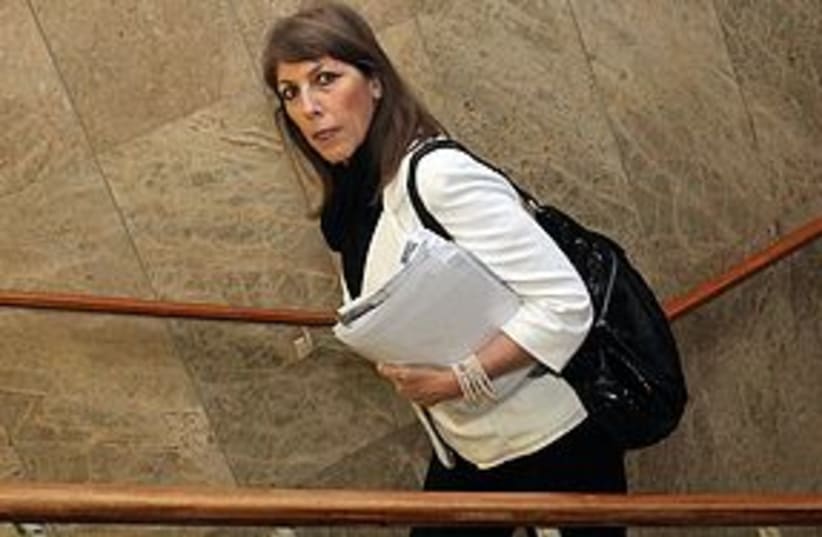
Culture and Sports Minister Limor Livnot hopes to improve local quality of livfe in towns outside of Tel Aviv and Jerusalem.
RELATED:Amid controversy, Ariel theater opens with sold-out show'Promises to strengthen health service in periphery unkept'2,500 families make move to Galilee or Negev in 2010The project includes an annual NIS 11m. investment in developing “new quality projects,” by sending leading figures in the Tel Aviv theater, dance and music scene to cities in the periphery – where they will work with local artists to create a more vibrant local scene.According to the ministry, some of these initiatives include sending people from the Cameri Theater to Ofakim and Kiryat Shmona; and representatives of the Habima National Theater to Sderot in the South and Ma'alot-Tarshiha in the Galilee.Livnat said these theater directors, dance instructors and musicians will live in these communities and help cultivate local talent to develop a local arts scene.This portion of the plan also includes living subsidies for artists who move to these areas, and scholarships for students from the periphery who pursue studies in the arts.Livnat said that much of the impetus behind the plan is the desire to give residents of the periphery cultural offerings that will reduce their need to go to Tel Aviv for entertainment.“We must deal with not only the geographic periphery, but also the cultural periphery, and work on how we can enable all the residents of Israel to enjoy the country’s cultural offerings – but also to create a local culture of their own,” Livnat said. “Other than work, people decide where to live based on education and the leisure offerings.They want their children to have a good education and they want to have good opportunities for how to spend their free time. If these areas lack any cultural opportunities, then people won’t want to live in them – even if they are making a good income there.”The plan also includes NIS 11m. per annum in improving cultural institutions in the periphery – a plan that includes a NIS 1.5. upgrade in Arab cultural institutions, and a further NIS 1m. for cultural development in the Druse community.Another NIS 13m. per year will go towards subsidizing cultural offerings in more than 100 local authorities.The program “will give those who have the desire to take part in creative activity – and have something to offer the ability to do so without having to run off to Tel Aviv,” Livnat added. “They can instead explore their creativity in their own area.”Livnat lamented what she said was the state’s “erasing of non-Sabra cultures – especially the Sephardi and Mizrachi ones.“I see today a large Ethiopian community that we don’t see culturally, but which has a desire to be creative.They have so many things to say, to create and no one hears them or gives them a place to contribute. I see a large Druse community – people who contribute to the state, serve in the army, want to create culturally, but aren’t given the opportunity.”