The diaspora has entered a new era, but Jewish strategy has not - opinion
A Jew shouldn’t need antisemitism to affirm their identity, a crisis to seek community, or an interpreter to access half of Jewish civilization.

A Jew shouldn’t need antisemitism to affirm their identity, a crisis to seek community, or an interpreter to access half of Jewish civilization.


Sa’ar should ensure that the measures he announced are carried out, despite British threats to expel an Israeli diplomat from London for every diplomat expelled from the consulate.
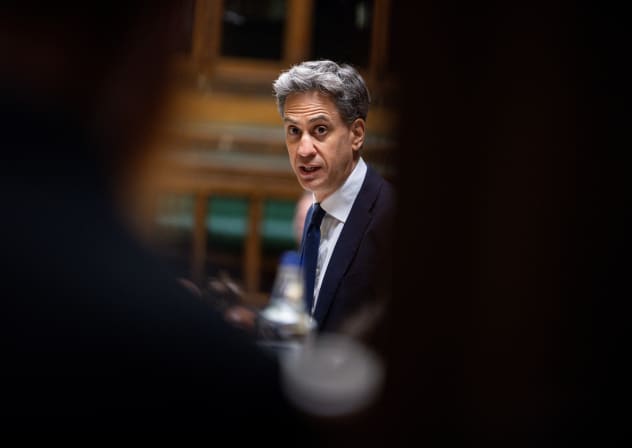
The mayor devoted the opening paragraph of his October 7 statement to the victims before turning to Israel. His September 11 speech shows he knows how to do better.

Israelis confronted terror, grief and October 7 remembrance with the courage, resilience and humor that define the Israeli spirit.

The settlers serve the military, and the military serves the settlers. Both share a common goal: to prevent the harvesting and cultivation of agricultural land and to economically harm Palestinians.

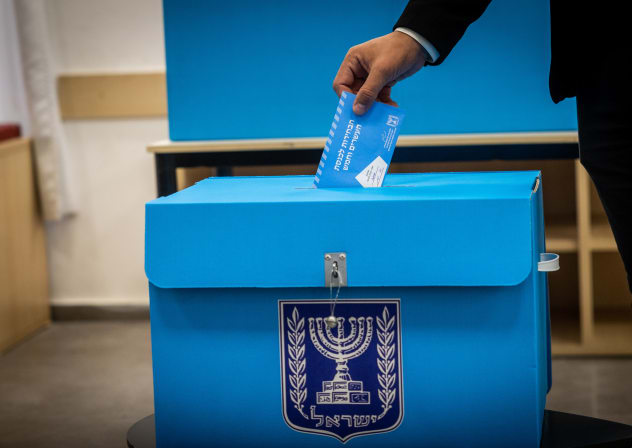
As Israelis head to the polls, October 7 demands accountability from leaders and a rejection of the idea that any politician is bigger than Israel.

Israel should stand by its decision to close the British Consulate and make clear that Jerusalem is not a diplomatic no-man’s-land.

Trump warns Americans about communism while embracing communist dictators and authoritarian strongmen abroad.

Israel must strengthen its welfare system and ensure children without family support have the care and guidance they need to thrive.
Netanyahu’s strategy of preventing Palestinian statehood was meant to protect Israel. Instead, Gershon Baskin argues, it helped preserve the conditions that produced October 7.

If October 7 survives chiefly as the beginning of what came afterward, something has been lost.
