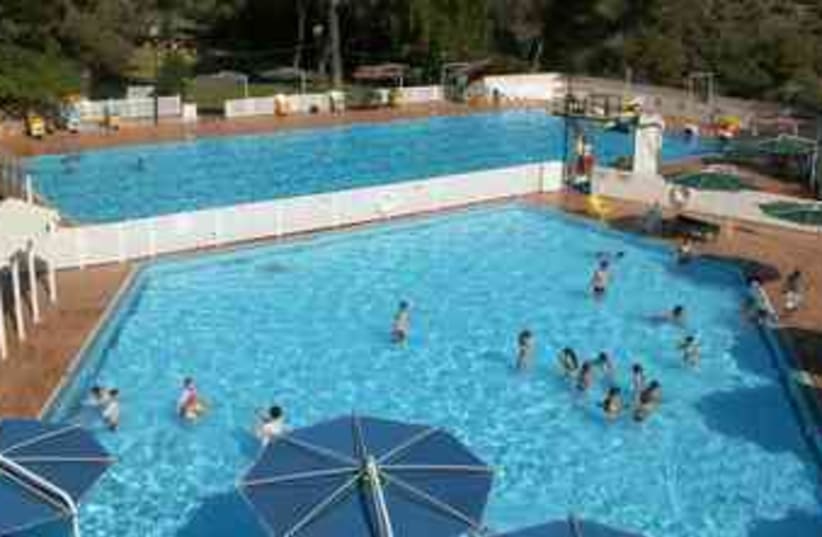
Wading in cool waters is the place to be on a sweltering summer afternoon in the capital.
By LOREN MINSKY/ ITRAVELJERUSALEM.COM TEAMSwimming pool(photo credit: Courtesy)David CitadelDavid Citadel Pool (Courtesy)A day at the David Citadel Hotel swimming pool may be on the pricier side but watching the play of light on the Old City whilst floating in the water or relaxing on a decadent deck chair is a unique and memorable experience.The pool is heated making it suitable for year-round use, but it’s still cool and refreshing on a hot summer’s day. Umbrellas and large, luxurious towels are provided at no extra cost, and drinks and light meals are on hand from the Pool Grill Bar. Parents with toddlers will love the toddler pool in a quiet corner and those looking for some blissful R&R will love it too. Cost: Adult: NIS190 a day; Age 2 – 12: NIS110; Underage 2: free Opening hours: 6:30 a.m. – 7 p.m. (summer) Address: 7 King David Street Phone: (02) 621-1111 Ramat RachelRamat Rachel Pool (Courtesy)Surrounded by manicured lawns and other sports facilities, the Ramat Rachel Hotel Swimming Pool makes a fun day out with the family. The hotel is uniquely located on a kibbutz adjacent to the city, which lends the swimming pool area a unique, laid-back and country-like atmosphere. The pool is open long hours all week long and is loved by those looking for a work-out as well as those who just want a little splash.Cost: Adults: NIS70(Shabbat & holidays: NIS75); Pensioners, soldiers & students:NIS60 (Shabbat & holidays: NIS65); Children age 2-10: NIS50 (Shabbat & holidays: NIS55) Opening hours: 5:30 a.m. –9:45 p.m. Address: Kibbutz Ramat Rachel Phone: (02) 670-2555 Jerusalem Forest PoolZippori Center Pool (Courtesy)The Zippori Center in the heart of the Jerusalem forest has a beautiful outdoor swimming pool area that is surrounded by enchanting mountain scenery. A perfect place to retreat to on a hot summer’s day, the Jerusalem Forest Pool is easily accessible and is just minutes from Mount Herzl and Yad Vashem. The Pool offers a lap pool anda big children’s pool, and has both separate sex and mixed swimming hours. There are grassy areas at the side of the pool, a trampoline and a place to buy drinks and snacks. Cost: Adults (regular): NIS50; Student, handicapped & senior citizens: NIS40; Age 1-3: NIS20; Age 3 – 12: NIS40 Opening hours: Mon – Sun: 9 a.m. – 6 p.m. (Sun, Tues and Wens:1:30 p.m. –6 p.m. women only; Mon and Thurs: 6 a.m. – 8 p.m. men only) Address: Zippori Center, Jerusalem Phone: (02) 675-2911Dan JerusalemDan Jerusalem Pool (Courtesy)The Dan Jerusalem on the slopes of Mount Scopus offers a large and well equipped spa and wellness center with two pools – one outdoor (seasonal) and one heated indoor pool. A day at the pool allows you the use of a number of facilities – wet and dry saunas, several jacuzzis, a Turkish bath, and a gym. Religious guests will be happy to know that there is a jacuzzi and sauna only for women.Cost: NIS120 (NIS150 Fri and Sat); Ages: 3-12: NIS90 (Fri & Sat: NIS100) Opening hours: 9 a.m. – 7 p.m. (weekdays); 9 a.m. – 6:30 p.m. (Fri and Sat) Address: 32 Lehi Street Phone: (02) 533-1234 American ColonyAmerican Colony Pool (Courtesy)Usually only accessible to hotel guests, the stylish American Colony Hotel is open to the public for the month of August as a special promotion. The heated swimming pool was redesigned and rebuilt last summer using the most advanced energy, filtration and water saving technology and is made out of Jerusalem stone,lined with Italian glass tiles and landscaped with waterfalls and hanging gardens.Decked out in neutral, cream-colored hues, the area is both chic and relaxed. The price allows you access to the fitness center that overlooks the garden and pool, as well as to the small sauna.Cost: Adults: $40 plus Vat; Children: $20 plus Vat Opening hours: 8 a.m. – 6 p.m. Address: 1 Louis Vincent Street Phone: (02) 627-9777