Music lovers have a lot of exciting treats in store for them in May, from massive festivals to intimate performances.
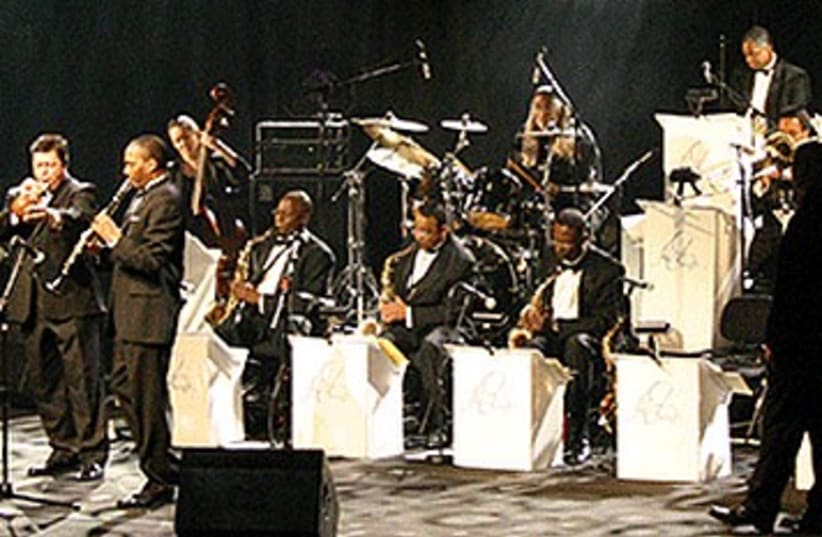
By ITRAVELJERUSALEM.COM TEAMDuke Ellington Orchestra(photo credit: Courtesy)The Israel FestivalIn addition to dance and theater performances, the annual Israel Festival offers a selection of amazing musical performances by local and international artists. One of the highlights on the Israeli cultural calendar, the festival runs over four weeks and takes place at venues that include the Jerusalem Theater, YMCA, Beit Shmuel and the recently launched entertainment complex, First Station.Top Israeli musician Shlomi Shaban together with ten leading musicians, including Asaf Avidan and Berry Sakharof, will open the festival with performances of Shaban’s old-time favorites as well as debuts from his new album. Look out for a whole lot of free performances, including a nightly jazz club.When: May 23, – June 22Address: Across JerusalemCost: VariesPhone: (02) 560-5755 (Jerusalem Theater - tickets) or * 6226 (Bimot – tickets) The Abu-Ghosh FestivalVocal music lovers will appreciate the Abu-Ghosh Festival, which takes place twice a year, and has been running for more than 20 years in its current format. Performances by musical ensembles and choirs take place in two of Abu Ghosh’s churches: the Crusader-Benedictine Church built in the 12th-century and the Kiryat Ye’arim Church on the top of a hill overlooking Abu Ghosh. The historic and charming town of Abu Ghosh, just twenty minutes from Jerusalem, is renowned for its hummus, lovely views, and churches. When: May 14 – May 18Address: Abu-GhoshCost: VariesPhone: * 6226 (Bimot – tickets) Cafè HavanaSalsa fans should not miss Cafe Havana, featuring Grammy award winner Frankie Vasquez and local salsa band Walakata. Part of “Hot Jazz,” a series of jazz concerts featuring local and international jazz musicians, Café Havana will deliver the liveliest and finest Cuban and Puerto Rican sounds. Frankie Vasquez is considered one of the greatest salsa singers in the world and Walkata play the best of traditional Puerto Rican and Nuyorican salsa. The show will take place at the Gerard Behar Center in town.When: May 27, 9 p.m.Address: Gerard Behar Center, 11 Bezalel St, JerusalemCost: NIS 115; students NIS 100Phone: (02) 623-7000 or * 6226 (Bimot – tickets) A Paris – Riff Cohen performanceTalented composer, singer and songwriter Riff Cohen will perform at acclaimed live music venue Zappa as part of the Israel Festival. Bubbly Riff Cohen performs songs in Hebrew and French and her musical style has Moroccan, American, North African and French roots and influences. One of the highlights of Riff Cohen’s career was performing as the opening act for the Red Hot Chili Peppers in Israel.When: May 30; Doors open at 8:15 p.m. and the performance starts at 10 p.m.Address: 28 Derech Hevron, JerusalemCost: NIS 90; students NIS 80Phone: *9080 Duke Ellington OrchestraConsidered one of the most significant musicians and composers in the world of jazz and American music, the legendary Duke Ellington established a renowned orchestra that performed all over the world. In a career that spanned 50 years, the prolific Ellington wrote songs, music for musicals and films, and much more. When he died his son Mercer took over from where he left off and in 1996, Mercer's son, Paul, continued the legacy and today leads the orchestra in tours around America and the world.When: May 2; 8 p.m.Address: Sherover Hall, Jerusalem Theater – 20 Marcus St, JerusalemCost: NIS 169 – 199; senior citizens: NIS 135-239; last-minute: NIS 109-199Phone: (02) 560-5755ITravelJerusalem.com is a new online international travel portal offering all the latest information on things to do, places to eat and places to stay in Jerusalem
Related Tagsasaf avidan
if(catID != 151){
var cont = `Take Israel home with the new Jerusalem Post Store