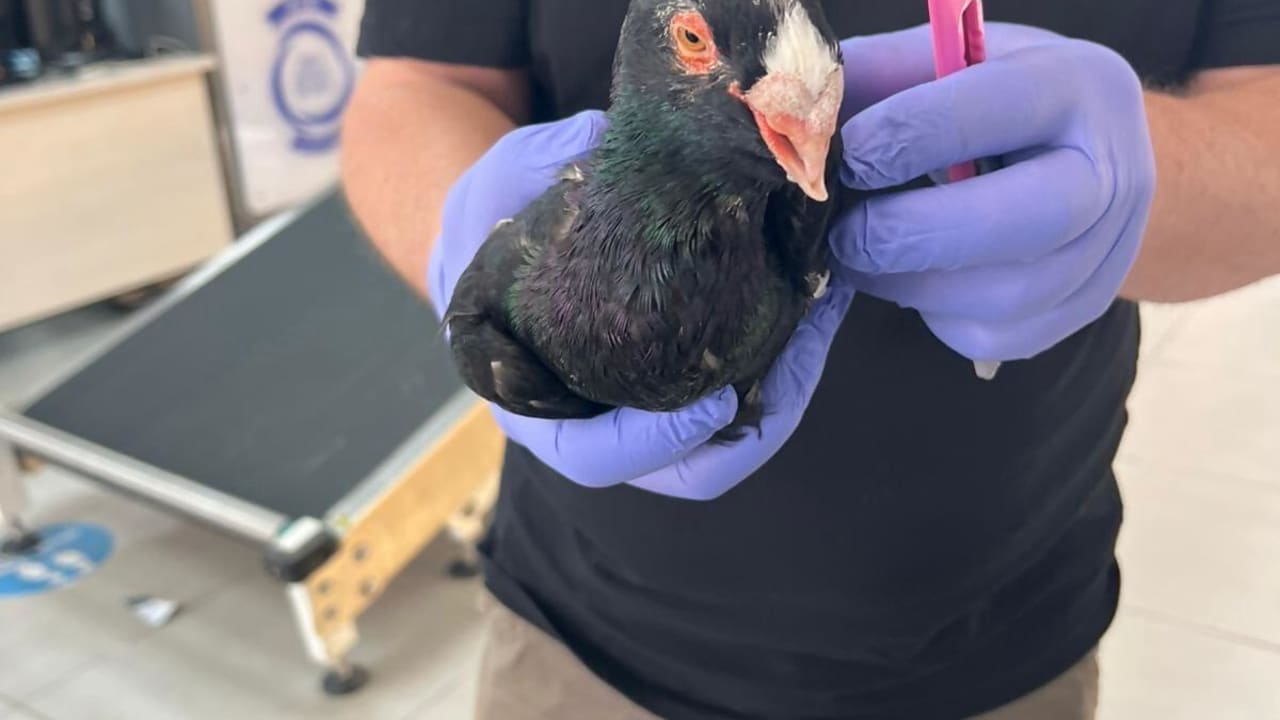
Israeli customs officials at the Yitzchak Rabin border crossing in Eilat foiled an attempt to smuggle several rare pigeons into Israel from Jordan, according to a Tuesday joint statement from Israel's Agriculture Ministry and Tax Authority.
The suspect, an east Jerusalem resident, was stopped on his way back into Israel from Jordan and found to be in possession of several English Barb pigeons, a breed of domesticated pigeon which, according to the Tuesday statement, is very valuable. When questioned by inspectors, the man claimed that he raised pigeons at his home in east Jerusalem, and that he purchased the English Barb pigeons in Jordan for the purpose of introducing them into his own collection, rather than for profit.
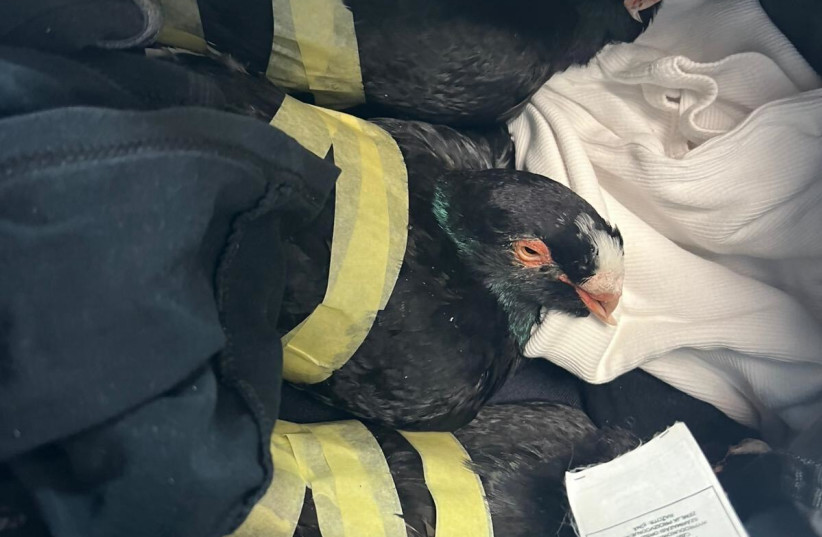
The birds were restrained inside a suitcase, with their wings and beaks taped to prevent movement, the Agriculture Ministry wrote, adding that this was very harmful to the pigeons.
The birds were confiscated by customs inspectors and taken to the Agriculture Ministry for proper treatment and care. The ministry has opened an investigation into the incident.
"Animals brought in without proper health checks and certificates may carry dangerous diseases and viruses, and in this case were even kept in harsh conditions that endangered their lives," said Dr. Tamir Goshen, Director of Veterinary Services at the Agriculture Ministry.
"The ministry's veterinary services will continue to work to protect animal welfare and public health."
Israel foils smuggling of 140 exotic reptiles in Ben-Gurion Airport, animals in terrible condition
In July, Israeli authorities seized 140 exotic reptiles and arthropods at Ben-Gurion Airport in a foiled attempt to smuggle them into the country, with many of the animals being crammed into a single suitcase arriving from Thailand.
Custom inspectors found the animals, including iguanas, pythons, tegus, and scorpions, in poor condition after enduring freezing temperatures and a lack of food, with one of the snakes dying during the trip.
Officials warned that the animals posed risks to public health, agriculture, and biodiversity. All the surviving creatures were transferred to veterinary care for treatment and quarantine.
TPS contributed to this report.