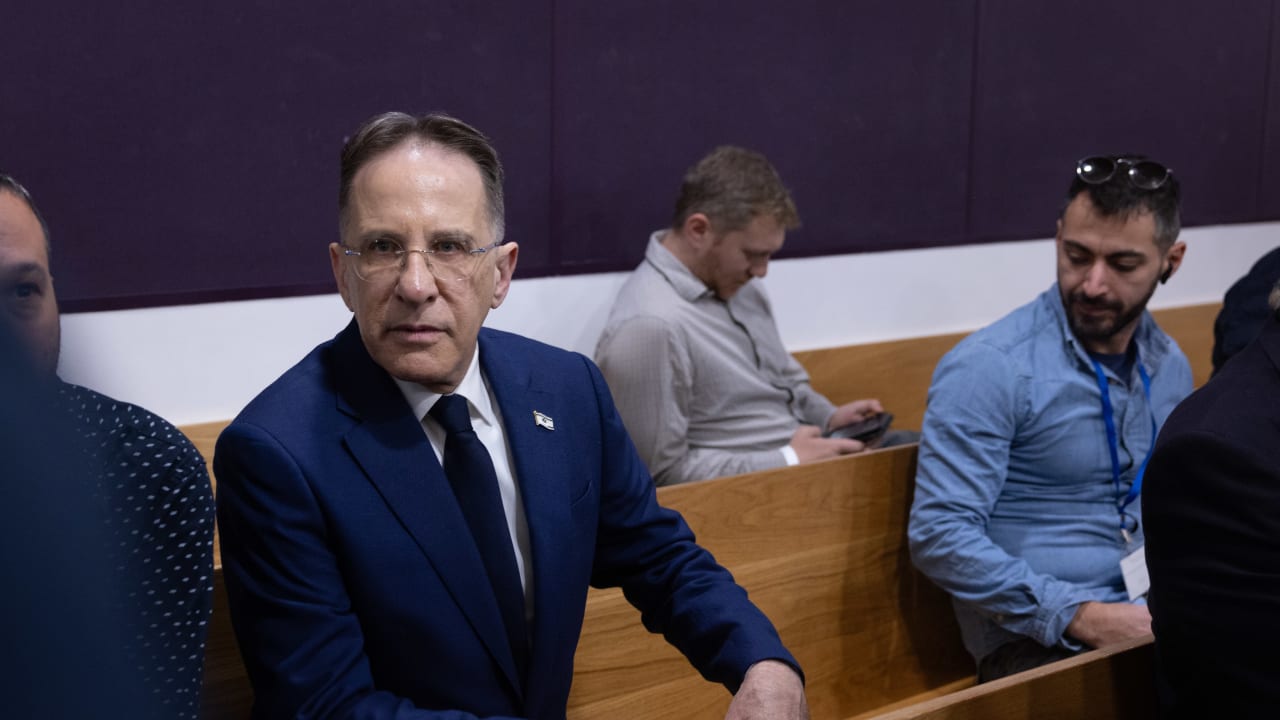
The Rishon Lezion Magistrate’s Court on Saturday lifted the travel ban on Prime Minister’s Office chief of staff Tzachi Braverman, also easing other restrictive conditions imposed on him in the “midnight meeting” affair. The court cited changed circumstances created by the ongoing war with Iran as the reason for this reversal.
In an 11-page decision, Judge Menahem Mizrahi ruled that Braverman may leave Israel to assume his post as ambassador to the United Kingdom and canceled the exit ban that had been in place as part of the investigation. The judge also lifted the prohibition on contact between Braverman and Prime Minister Benjamin Netanyahu, while clarifying that the two may not discuss matters related to the investigation.
However, the court extended the ban on contact with other individuals involved in the case and left additional conditions in place through March 10.
Mizrahi wrote that the outbreak of Operation Roaring Lion altered the balance of considerations, noting that investigative activity is likely to slow and that police have not provided a concrete timetable for steps central to the case, such as open testimony from Netanyahu.
The judge indicated that maintaining sweeping restrictions without a foreseeable investigative horizon would be disproportionate, particularly given Braverman’s public role and his pending diplomatic appointment.

The so-called “midnight meeting” case centers on suspicions surrounding a late-night encounter between Braverman and former Netanyahu spokesman Eli Feldstein at the Kirya military headquarters, as well as whether Braverman had prior knowledge of a covert investigation tied to the leak of classified material to the German tabloid Bild.
What is the Bild case that Braverman is involved in?
The Bild publication drew national attention not only because of the alleged handling of classified material, but because of its timing.
The report appeared shortly after the murder in captivity of six Israeli hostages – Hersh Goldberg-Polin, Carmel Gat, Eden Yerushalmi, Ori Danino, Almog Sarusi, and Alex Lobanov – a moment that intensified public anguish and fueled protests over the government’s hostage strategy.
Investigators have been examining whether the leak was connected to efforts to shape public discourse around the negotiations and the direction of the war.
The Braverman probe sits alongside what has been dubbed the “Qatargate” affair, involving questions about messaging linked to Qatar by figures in Netanyahu’s orbit. While legally distinct, the cases share overlapping actors and have unfolded against the same backdrop of wartime political strain.
The Sunday decision allows Braverman to travel abroad, subject to conditions requiring his return should investigators summon him. Police may appeal the ruling.