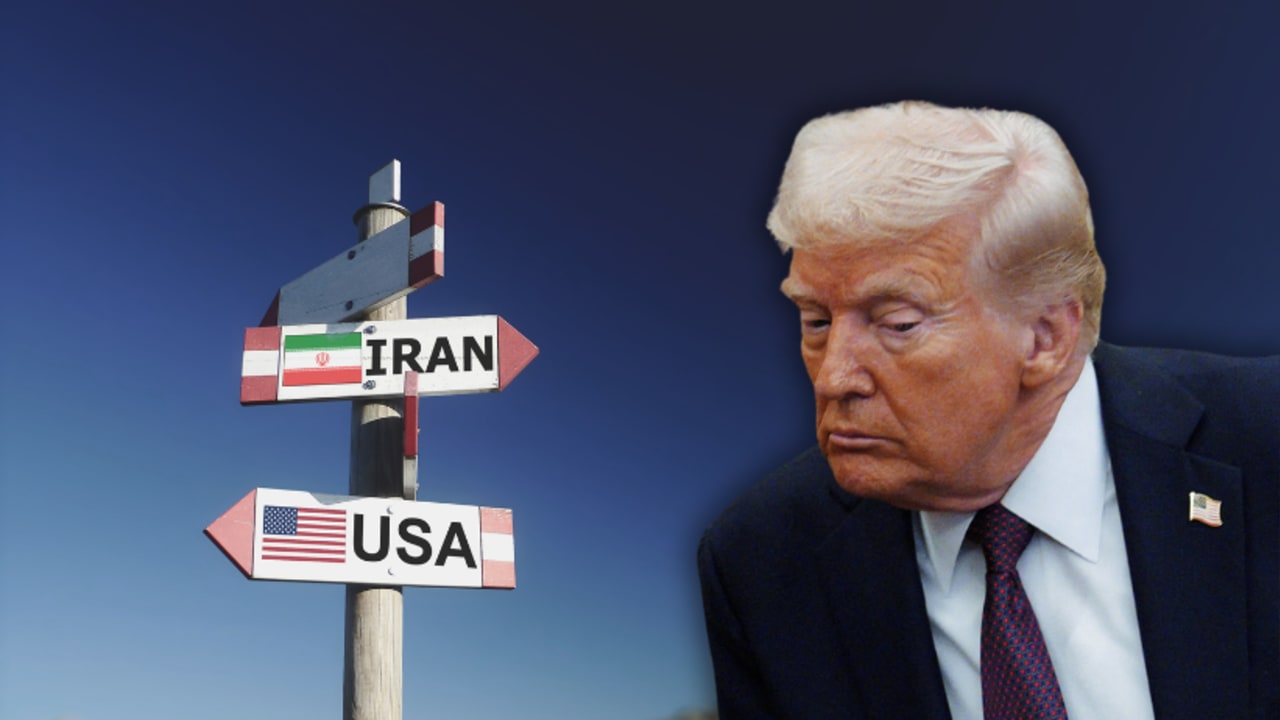
As speculation of a US–Iran military confrontation intensifies, a disturbing parallel is emerging in diplomatic circles. Following the US operation in January that removed Nicolas Maduro from Caracas but left the regime’s machinery intact under Delcy Rodríguez, Israel now faces a critical strategic choice. Is it willing to accept a “Venezuelan Model” in Tehran, where the Supreme Leader is removed but the Islamic Republic remains intact? Or will it leverage its influence to ensure a genuine transformation?
For Iranians, the fear is palpable: that the West will settle for a cosmetic transition, eliminating Ayatollah Ali Khamenei but saving the Islamic Republic’s military-industrial complex. Such an outcome would be a disaster for the Iranian people and an existential failure for the State of Israel.
Israel is no longer merely a regional stakeholder; it is a decisive actor in shaping what comes next. Unlike any other country, Israel is deeply involved not only in the operational dimension of a potential conflict but also in the behind-the-scenes discussions that will determine whether confrontation happens and leads to real change or yet another strategic dead end. That position gives Israel leverage, and with it, responsibility.
Many Iranians fear the US is preparing to replicate its Venezuela strategy: a deal in which Washington decapitates the leadership structure while allowing the “deep state” to remain intact to avoid a power vacuum. In this scenario, a regime insider would be tasked with overseeing a cosmetic “transition,” preserving the IRGC’s command structure and its oppression machine under a new guise.
Such a scenario stands in direct opposition to the undeniable demand of the Iranian people. An overwhelming majority have rallied behind Crown Prince Reza Pahlavi as the leader of the opposition and the best-positioned figure to guide the transition. The widespread chants of “Long live the Shah” and “This is the final battle! Pahlavi will return” are neither nostalgic nor marginal. They reflect a clear political preference expressed repeatedly, publicly, and at immense personal risk by people across Iran.

Virtually every independent observer has noted the defining feature of the recent uprisings: leadership. Prince Reza Pahlavi has filled that role. His call for nationwide protests on January 8 and 9 led to some of the most geographically widespread and politically unified demonstrations in recent memory.
These were not spontaneous outbursts; they were the result of years of organizational capacity building and trust between a leader and a population desperate for a credible alternative.
If the Islamic Republic survives, even without Khamenei, the outcome would not be merely a political setback. It would be a devastating betrayal of a society that has paid an extraordinary price. Such an outcome would amount to the outright dismissal of the national will.
For Israel, this is not merely a political preference; it is a strategic necessity. There is no assurance that any post–Khamenei government drawn from the regime’s remnants would offer more than a fragile, tactical ceasefire. A “Delcy Rodríguez option” in Tehran would mean a figure that has the blood of tens of thousands of Iranians on his hands and a regime that continues to kill its citizens, arm proxies, and threaten Israel’s borders, just with a more palatable face for Western diplomats.
Pavlavi's relationship with Israel
By contrast, the anti-regime patriotic movement led by Prince Reza Pahlavi represents the most popular, well-organized, secular, and openly pro-Israel current in Iranian politics. His public and sustained relationship with Israel over the past several years has helped dismantle decades of enforced hostility and revive the historic friendship between the Iranian and Israeli peoples, something no other Iranian political figure has achieved so openly or credibly.
In the transition framework developed under his supervision, Israel, alongside the US, is identified as a strategic ally of a future free Iran. The document lays the groundwork for the “Cyrus Accord”: a vision for stable, peaceful, and strategic relations rooted in shared security, energy, and economic interests rather than temporary expediency.
This is precisely why Israel must act decisively now. Preventing a repeat of the Venezuela compromise requires more than military readiness; it requires political clarity. Israel should ensure that its moral and strategic commitments align with the will of the Iranian people. That means sustained dialogue and close coordination to guarantee that Iran’s transition is led by the figure its people have already chosen, not figures imposed to cement the status quo.
Saeed Ghasseminejad is a senior advisor at the Foundation for Defense of Democracies. Navid Mohebbi is an independent Iran expert living in Washington, DC.