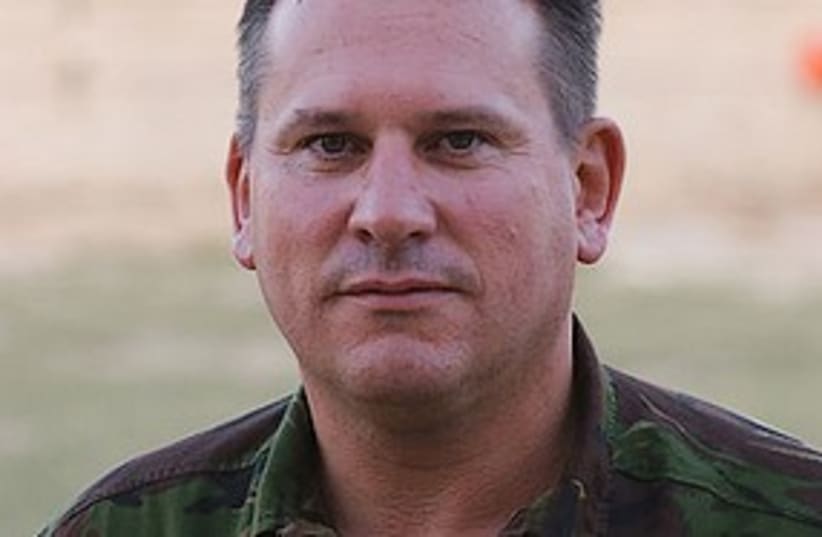
“Intelligence is a notoriously hard thing to get right, but it was a flaw not to recognize the nature of the people the IDF was confronting," says Kemp.
By ILAN EVYATARcol richard kemp 311(photo credit: .)
Richard Kemp arrived here the day after the raid on the Mavi Marmara that left nine people dead. While he was critical of the handling of the incident, in particular intelligence gathering prior to the raid, he said he had in no way revised his position regarding the efforts made by IDF soldiers to avoid civilian casualties and that the blame for the death toll lay with the “activists” who attacked the soldiers.“I think there were clearly errors made in what the IDF did in boarding that ship,” Kemp said. “The main error seems to me to have been a failure of intelligence in having a prior understanding of what it was facing. Arguably, had it known better what kind of resistance it might face, it could have approached the ship in a different way. The real people responsible for what happened though are those people who attacked the soldiers who came on board.“Intelligence is a notoriously hard thing to get right, but it was a flaw not to have recognized the nature of the people the IDF was confronting, but I suppose the publicity surrounding those ships was all to do with people in pursuit of peace and aiding the people of Gaza. It was not unreasonable not to expect them to behave in the way they did. But having said that, a military force that has the reputation and the sophistication of Israel’s should not be surprised in that way.”Asked whether once on board and facing those circumstances, thecommandos had no choice but to shoot to kill or whether they shouldhave responded differently, Kemp said: “I think one has to wait formore detailed facts to come out, but the rules of engagement, the lawsof armed conflict, to an extent apply in that situation the same asthey would apply anywhere. The Israeli soldiers were under obligationto use minimum force, but we’ve all seen the footage that’s beenreleased of what happened and they appear to have been subject to avery vicious and violent attack.“When you’re in that situation, by the look of it outnumbered by agroup of people wielding iron bars and, according to Israeli reports,knives and possibly having taken weapons from soldiers, it’s very hardwhen you’re facing a situation which is effectively close combat todecide unless you were actually there what the rights and wrongs were.But for a soldier to be put in that situation is regrettable.”Kemp also suggested that the IDF needed to do more to improve its capabilities on the media front.“I think that the IDF’s media operation has improved quite a lot, butit’s up against a real problem. It’s up against a sophisticated Hamasmedia operation and propaganda from many, many parts of the world whoare opposed to Israel, so it’s got to up its game even further. Itmight even do things like embedding reporters into the military unitswhile they carry out operations, which some of the Western armies do togood effect. It’s something Israel should consider.“I think in the case that we’re talking about here it would haveclearly not been possible to have had reporters actually accompanyingtroops boarding a ship, but in general terms, I think the IDF shouldgear more toward including media, trying to tell its story moreeffectively.”
if(catID != 151){
var cont = `Take Israel home with the new Jerusalem Post Store