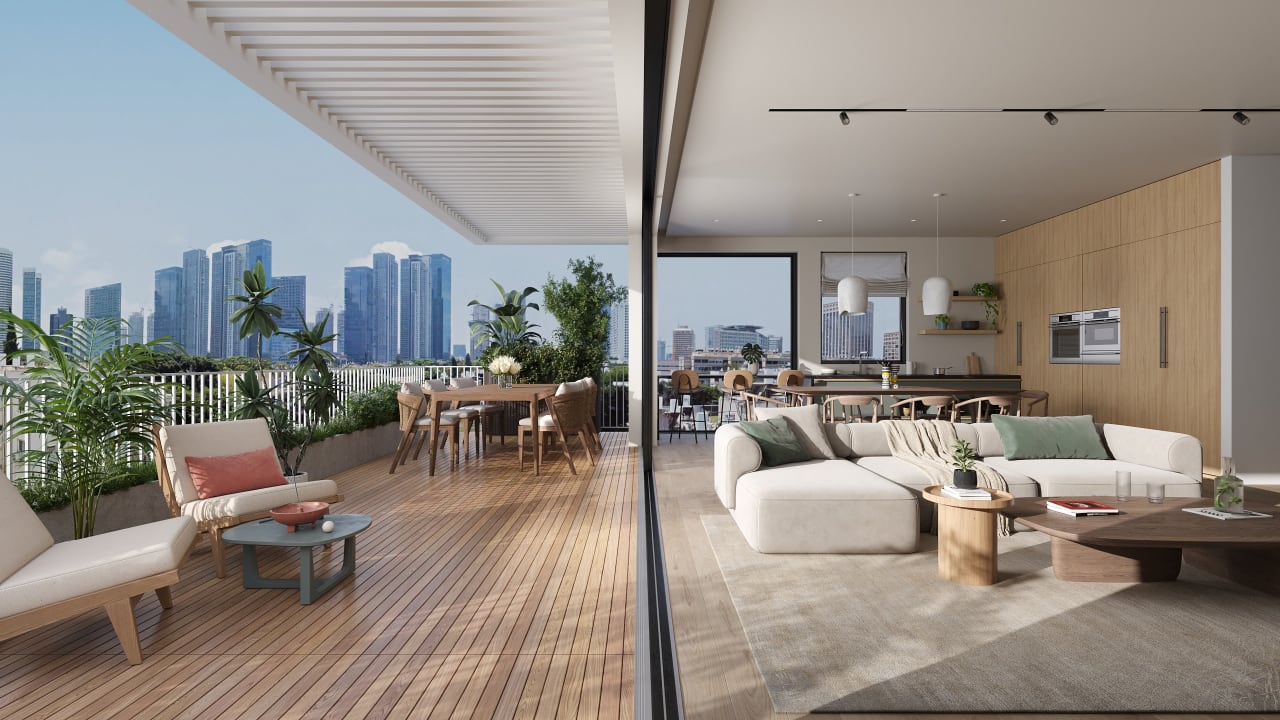
For Jews from the United States, Canada, and Europe, purchasing an apartment in Israel is much more than a real estate transaction. It is a decision that involves identity, family, the future, and sometimes considerable concerns. Whether it is an apartment for children planning to study or serve in the military, a vacation home, or a long-term investment, the choice does not begin with the price, but with a sense of security and certainty.
For many Jewish families in the United States and Canada, the growing reality of significant antisemitism has also become part of a broader conversation about where they want to build their future. For some, this means considering life in Israel; for others, it means creating a tangible investment or a future home for themselves or their children, should they eventually decide that Israel is the right direction.
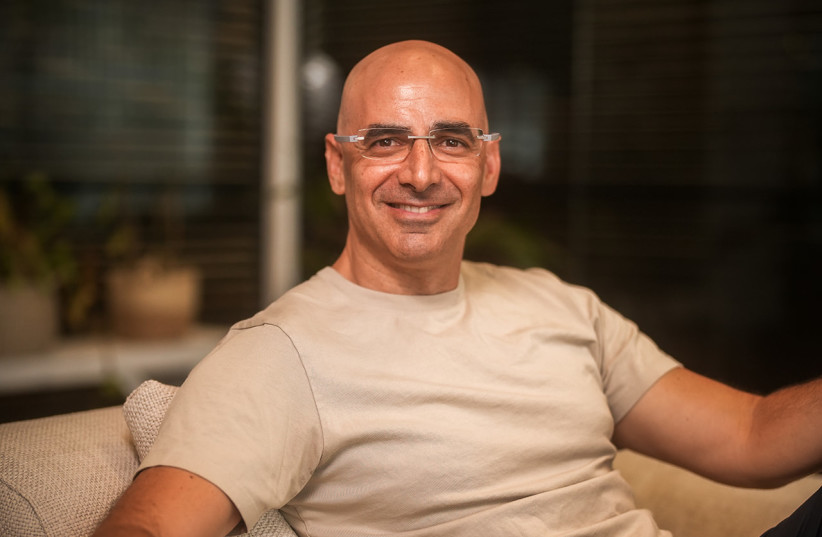
At Eco City, operating in the heart of the high-demand areas of North Tel Aviv, these dilemmas are well understood. “The main concern is the gap between promises and reality,” says Illy Berr, CEO of the company. “Especially when buying an apartment still under construction, the client wants to know they have support. The only way to address this is a proven history and full guidance throughout the process.”
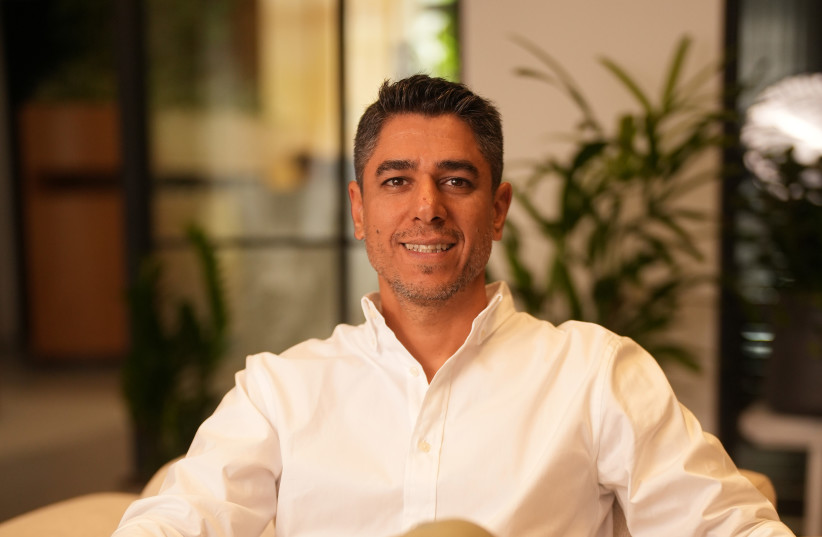
Alongside him, Uriel Cohen, VP of Marketing and Sales, adds: “We don’t just sell apartments. We provide peace of mind. Every stage, from the commercial closing to delivery, is managed by us. This is a model that fewer companies can execute fully, and it is what builds trust with foreign buyers.”
Eco City has been active for over 15 years in urban renewal, with a particularly high concentration in Districts 3 and 4 of North Tel Aviv - areas that attract not only local buyers but also an international audience seeking the highest standard of urban living. “We have control over a specific sub-area in the city,” explains Berr. “We have dozens of projects in Districts 3–4, so we can offer a wide range of ready apartments, apartments under construction, and long-term investment opportunities.”
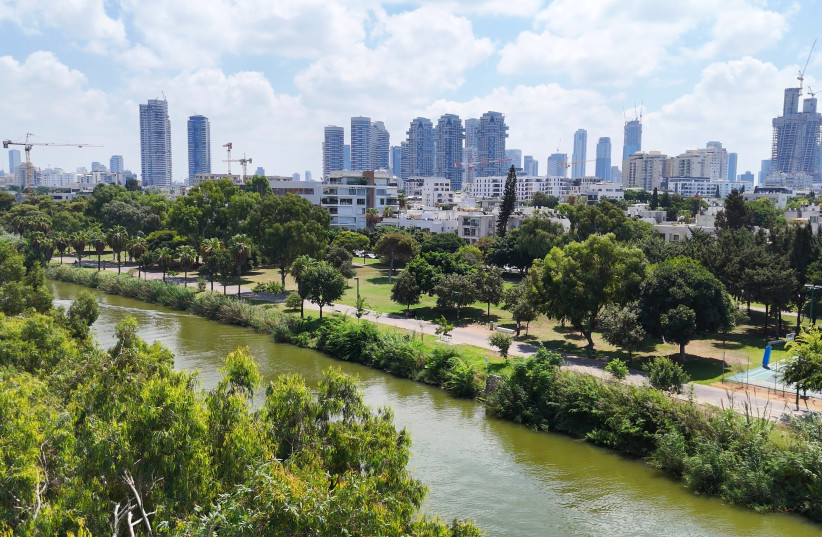
Eco City’s urban renewal activity extends across several areas of Tel Aviv, with its main concentration between Rabin Square and Yarkon Park. The area reflects a unique combination of Tel Aviv’s architectural heritage, dating back to the 1930s, and contemporary urban living. “Our planning approach recognizes that the people who will inhabit these renewed spaces have different lifestyles and expectations,” explains Daniel Schutz, Business Development and Sales Manager at Eco City. “We incorporate elements of the city’s architectural character into our new projects while adapting the apartments and shared spaces to modern living. Attention to the building’s gardens, the integration of greenery into apartment balconies, and thoughtful interior planning all contribute to a stronger personal connection between residents and their surroundings.”
For Jewish buyers from the United States and Canada, these neighborhoods offer a familiar yet enhanced lifestyle: a residential environment that combines the comfort and quality they are accustomed to with the vibrant, accessible, and distinctly Israeli character of Tel Aviv. The proximity to the city’s lively urban corridors, cultural attractions, and open green spaces creates an appealing balance between everyday convenience and a richer urban experience, whether as a primary residence, a home for their children, or a long-term investment in Israel.
Cohen adds that the variety allows for customized solutions for every family. “Someone coming with a child already living in the city can get an immediate solution, and someone with young children can plan an investment that will materialize in a few years. This is a significant advantage for foreign residents, who seek personalized solutions rather than a one-size-fits-all approach.”
Apartments, Sizes, and International Standards
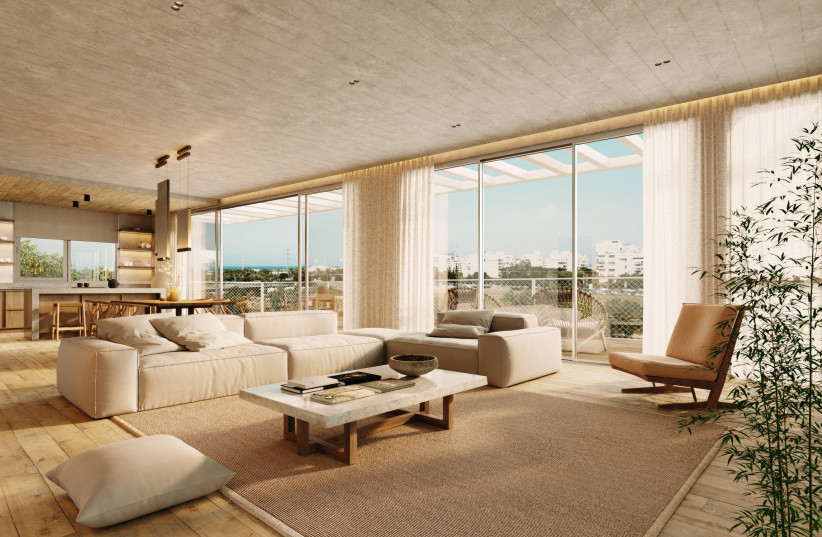
One of the most striking differences between Israeli and foreign buyers appears in the small details. “We see clear differences based on the region of origin,” Cohen explains. “Clients from Canada, for example, are interested in underfloor heating. It’s not that Tel Aviv’s climate requires it, but it’s the feeling they are accustomed to.”
The kitchen is also a central element: “Clients from New York or Florida are used to very high standards. Not everyone accepts a standard Israeli kitchen. We provide imported kitchens from Italy, through regulated importers, because that is what they expect to receive. We don’t argue; if we can accommodate, we do. The idea is for the client to feel at home, even if they visit only twice a year.”
Managing a purchase from a distance is a real challenge. Transfers of funds, signatures, changes, delivery, and inspection require coordination with multiple parties. Eco City has centralized all interfaces within the company. “From the moment the contract is signed, the client knows they have a single point of contact,” Berr explains. “The lawyer, financial guidance, changes, and delivery - all through Eco City. A foreign resident usually comes twice a year, at Passover and in the summer. Coordinating with four or five different companies would be almost impossible. We ensure the entire process is easy and transparent.”
Flagship Projects – More Than Real Estate, a Story of Place
Beyond practical considerations, there is the intangible: Lifestyle. Shaded streets, intimate construction, proximity to the sea and cultural centers - all make Districts 3 and 4 among the most desirable areas in Israel. “The municipality has invested heavily in upgrading public spaces, and the developers complete the picture by renewing the buildings,” says Berr. “The result is a quality environment that attracts both Israelis and foreign buyers.”
Among Eco City’s notable projects in North Tel Aviv are Bnei Dan 54–56 and Bnei Dan 20–22, which illustrate the company’s unique approach: Renewing existing buildings while preserving the street’s architectural character. Berr explains: “In these projects, we don’t just upgrade the building itself, but create a high-quality continuity along the street, which affects the entire area.”
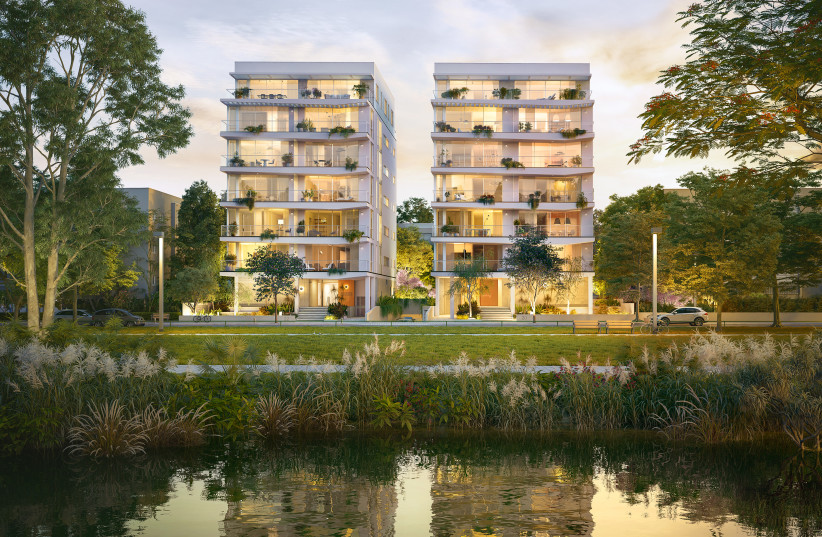
Cohen adds: “Every project is an opportunity to demonstrate our values: Product quality, attention to detail, and personalized service. From choosing finishing materials to the interior design of the apartments, everything is done with the buyers’ lives in mind.” Flagship projects also serve as a calling card for foreign buyers who come to see the work on site. “Clients visiting the street see the continuity of our projects; it builds trust and shows our expertise in top-level urban renewal,” Cohen concludes. "Quality above all. The main emphasis is on product quality."
“In the end, a buyer purchases an apartment and wants it to be well-planned, executed at a high level, and meet the promised standard,” says Cohen, adding that prices reflect this: Apartments in Eco City projects range from NIS 3 million for smaller units to NIS 30 million for luxury apartments, with an average of around NIS 7 million. “When spending such amounts, buyers want to know they are getting full value.”
What is the main recommendation for a foreign buyer who is hesitant? “First, look at the company, then the apartment. Many companies separate services: Developer separately, contractor separately, inspection separately. Living in Israel, it may be manageable, but from abroad it’s a risk. The fact that clients come and say, ‘Show us an apartment that suits us,’ is the strongest measure of trust.”
Eco City’s participation in the upcoming Jerusalem Post conference in Miami this January is exactly for this purpose: To allow direct, unmediated conversations with potential buyers. “There is no substitute for a personal meeting,” says Berr. “Hearing what is important to people, explaining how we operate, showing apartments, and tailoring the offer - this does not happen over email or phone. We want buyers to experience our professionalism, transparency, and the peace of mind that comes with buying an apartment in Israel. This is the key to a relationship based on trust, not just a contract.”
This article was written in cooperation with Eco City