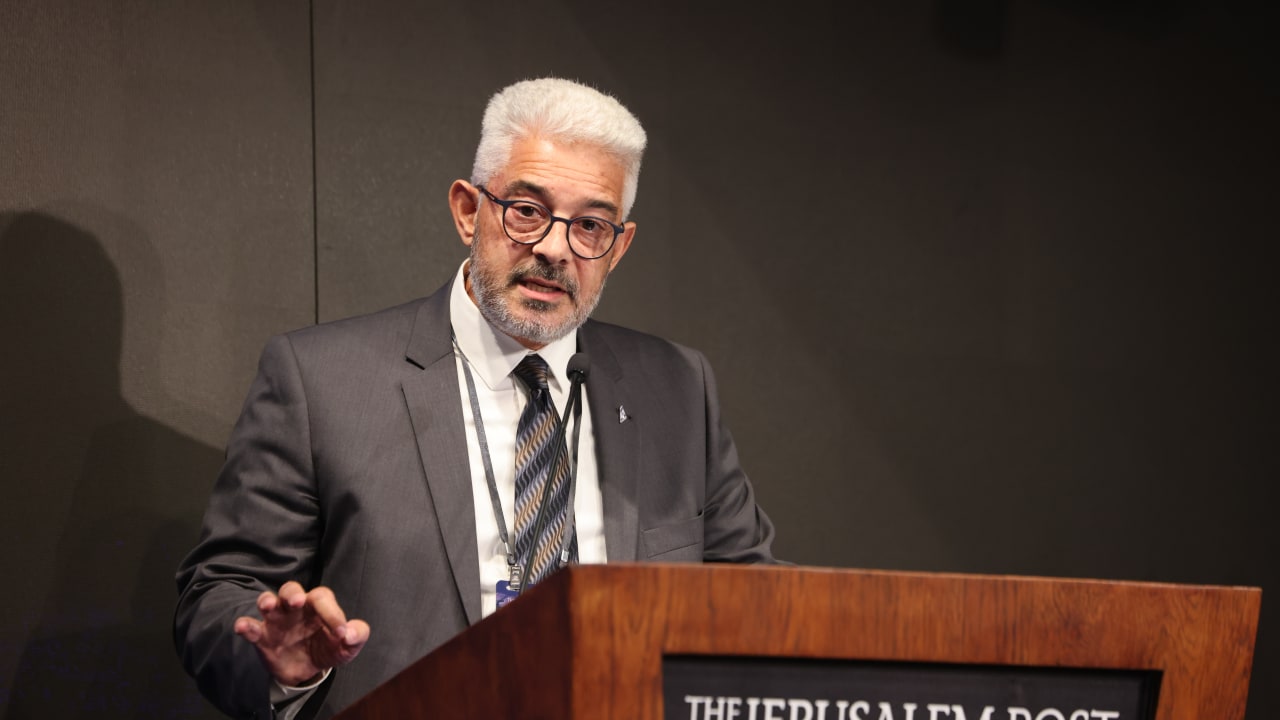
Addressing the Jerusalem Post Diplomatic Conference, Stanley Morais, Director of Partnerships & International Affairs for EL AL Israel Airlines, said the airline’s ability to operate after October 7 was not only a commercial challenge but also a national and operational responsibility.
“We ensured our passengers had the support needed while enabling urgent travel, carrying critical cargo and maintaining essential links with the world,” said Morais.
The events of recent years, he continued, have reinforced the concept that “flight connectivity is a strategic infrastructure for Israel. It supports diplomacy, trade, tourism, investment and family life - and when alternatives narrow, the responsibility of a home carrier becomes even greater.
Commenting on how changes to the geopolitical landscape have affected air travel, Morais said the Abraham Accords have changed the region's practical map, opening direct channels for travel, tourism, commerce and human connection. “Airlines turn diplomatic possibilities into daily reality, strengthening the people-to-people ties,” he commented.
Morais said changes in the geopolitical landscape affect EL AL in three ways: changing the network and demand, shifting competition and partnerships, and altering the risk equation. “Fuel, exchange rates, insurance, security, regulation and supply chains are all affected by events beyond an airline’s control. Commercial strength depends on financial discipline, operational agility and planning for more than one scenario.”
“The lesson of the last three years,” he concluded, “is not that uncertainty can be eliminated. It is that we must be prepared to operate through it - and be ready to recognize opportunity when conditions change. Our task is to remain ready: ready to serve in moments of challenge, ready to compete when markets normalize, and ready to seize the opportunities that diplomacy makes possible.”
This article was written in cooperation with EL AL Israel Airlines.