Until recently, urban renewal projects in Israel, particularly those based on the evacuate-and-rebuild model, were primarily aimed at upgrading weaker neighborhoods. A new model, however, is beginning to emerge: the redevelopment of luxury residential towers in the strongest urban centers across Israel. Who is leading this shift, why is it happening now, and does it make economic sense? Here are the answers
For roughly 25 years, urban renewal projects led by the evacuate-and-rebuild model, have reshaped Israel’s urban landscape. What began as a targeted effort to strengthen aging buildings gradually became a central force in the redesign of entire neighborhoods.
Dilapidated railway-style apartment blocks, outdated infrastructure, and streets that developed in a piecemeal fashion have been replaced by carefully planned residential complexes built to higher construction standards. These developments feature organized facades, well-maintained public spaces, and infrastructure adapted to modern needs.
This transformation has significantly improved the lives of residents. Small, dark apartments have been replaced with larger units, often including an additional room, a sun balcony, a reinforced security room, underground parking and sometimes even a private storage unit. Many buildings now include thoughtfully designed lobbies, modern elevators, and in some cases ground-floor retail and service spaces.
At the same time, local authorities gained an opportunity to view neighborhoods as complete systems rather than as collections of individual buildings. As a result, redesigning traffic routes and adding parks and public spaces have become an integral part of the process.
The Significant Gap Between Land Value and Building Standards
Over the past year, Israel’s urban renewal sector has entered a new phase. Instead of focusing primarily on strengthening weaker areas, developers are beginning to reassess even the country’s most established neighborhoods.
This includes residential towers and buildings located in the hearts of Israel’s strongest cities, Tel Aviv, Herzliya, Ramat Hasharon, Jerusalem and Ramat Gan. These properties sit in highly desirable locations but often fail to realize their full potential. While land values in these areas are extremely high, the buildings themselves have fallen behind.
Many feature small and simple lobby spaces, parking that no longer fully meets residents’ needs, aging systems, and a standard that no longer aligns with the quality of life expected in these premium locations.
The Natural Next Step for Israel’s Real Estate Market
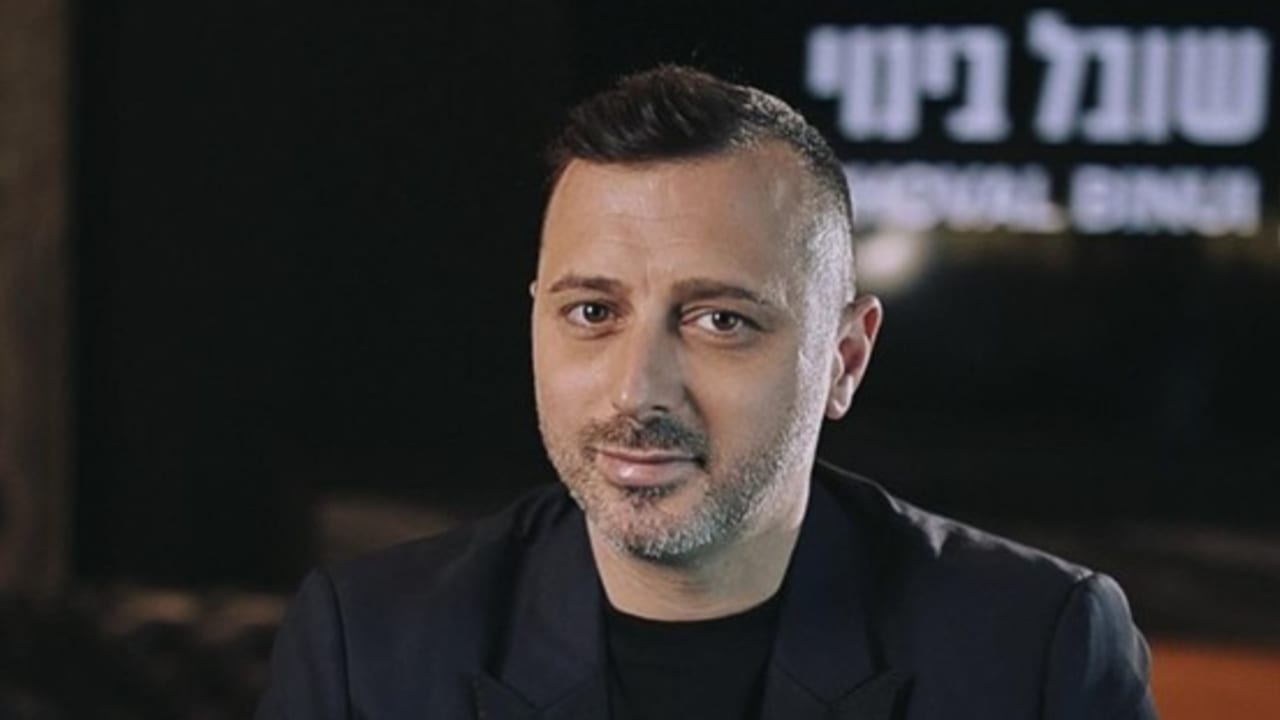
Tzahi isaac Shoval, Founder and Owner of Shoval Binui))
One of the companies promoting this new direction in the industry is Shoval Binui, owned by developer Tzahi isaac Shoval. The company has been active in the urban renewal sector for many years and has accumulated significant experience, with thousands of housing units currently in planning and construction stages. According to Shoval, this is not a passing trend but rather a direct continuation of the market’s natural evolution.
"When vacant land in city centers is almost nonexistent, while demand for luxury housing continues to rise, the only option is to look at what has already been built", Shoval explains. “In places where the land is extremely valuable, but the building itself no longer realizes its potential, the logical solution is redevelopment, building again at a level that matches the location and the value of the land".
This process is expected to redefine luxury residential areas in Israel. The new complexes are planned as premium towers in every sense of the Word, with specifications and services that until recently were associated mainly with high-end hotels. These include spacious and elegantly designed lobbies, coworking spaces for residents, fitness and leisure facilities, concierge services, wine rooms, private cinemas, swimming pools, and advanced technologies such as underfloor heating in the Apartments.
In other words, the goal is not simply to replace an old building with a new one, but to create a completely different residential environment.
"In cities like Tel Aviv, Herzliya, and Jerusalem there are buildings where apartments sell for tens of millions of shekels, yet the appearance and shared spaces still resemble old public buildings", says Shoval. "In these cases, cosmetic renovation isn’t enough. The only real solution is to rebuild at the highest possible standard".
The Complexity That Discourages Developers
At first glance, this move may seem obvious. In practice, however, many developers hesitate to enter projects of this type. The reason lies not only in the high costs, but also in the human and regulatory complexity that often characterizes these developments.
"Some developers are reluctant to work with financially strong residents who are represented by advisors and are experienced in tough negotiations", Shoval explains. "This can extend the process and lead to higher-than-usual demands. In addition, these projects take place in major cities where municipalities enforce strict planning standards and require a level of detail and execution that leaves no room for mistakes.
Yet those who know how to properly manage the complexity carefully plan each stage, work transparently with residents, and maintain a professional relationship with local authorities, often discover that it is not a problem but rather a tremendous opportunity.
In the end, the question is not whether Israel needs to renew its residential buildings and neighborhoods, but at what level this renewal should take place. When a building is located in one of the most expensive and sought-after areas, a compromise solution is no longer sufficient. The gap between land value and building standards requires a different approach.
Just as in the world’s leading cities, we receive many inquiries from international buyers seeking a combination of prime location and newly built luxury apartments. There is simply not much of that product available in the Israeli market. That is why this new wave of urban renewal projects must be planned according to a standard that sets a new benchmark, even in places where it once seemed there was no need for change.
Shoval Binui is a market leader and a pioneer in the fields of construction and development in Israel. We are always ready to think outside the box and create new connections and ideas. That is my guiding principle, and it is the message I pass on to the company’s employees and our partners in Israel and abroad", concluded Tzahi isaac Shoval.
This article was written in cooperation with Shoval Binui