Israel faces a critical challenge in drone technology that requires a comprehensive educational response, according to Alon Unger, a leading expert in unmanned aerial vehicles and Chairman and founder of the UVID conference.
Speaking about the evolution of drone technology and its implications for Israeli society ahead of the conference at Expo Tel Aviv on November 26, Unger emphasized that the country’s world-leading position in drone innovation must now be matched by public education.
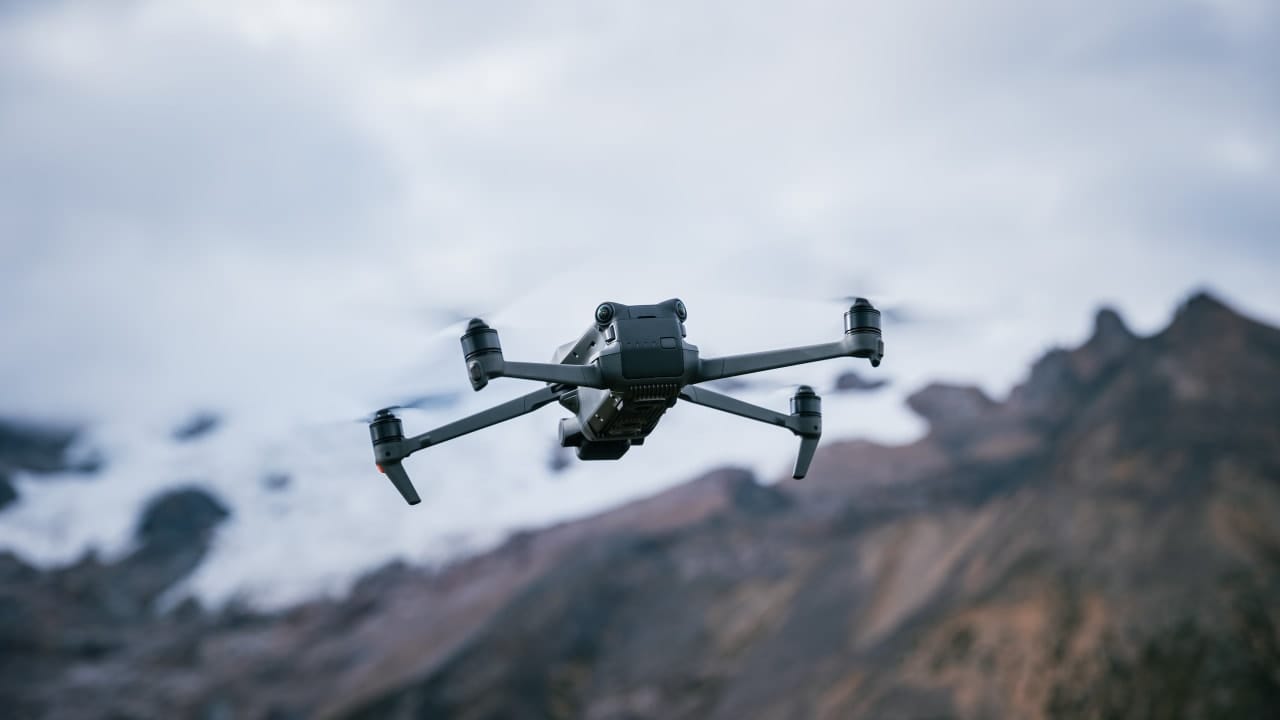
Unger said that the drone industry underwent a dramatic transformation between 2012 and 2015. What had been, until then, an exclusively military and defense domain dominated by US and Israeli forces became democratized through a civilian market, particularly with the rise of Chinese manufacturer DJI.
“Until 2010, it was an entirely military-defense issue,” he said.
The civilian revolution began when DJI adopted an Apple-like approach to development, while its American competitor, 3DR, pursued the Android-style open architecture. By 2012-2013, DJI’s multi-rotor quadcopter Phantom models had emerged, and by 2015, the company dominated 99% of the market.

The technology became truly accessible as commercial off-the-shelf systems. “You could do almost everything with it,” Unger continued, describing how the matrix system allowed users to add various payloads to their drones.
Recognition of the threat
Israel’s State Comptroller issued a landmark 2017 report identifying drone threats for the first time, addressing privacy, safety, and security concerns.
The report came as international incidents had already demonstrated drone vulnerabilities, such as a drone landing on the White House lawn even before 2015 – an incident involving former German chancellor Angela Merkel – ISIS’s tactical use of drones, and drug smuggling into prisons.
At that time, drones could carry payloads of approximately five kilograms. Today’s capabilities have expanded dramatically.
“There are systems that can fly automatically at the click of a button,” Unger said, noting advances in LTE, 5G technology, and energy systems that have exponentially increased flight duration and payload capacity.
A widening technology gap
According to Unger, a dangerous disparity has emerged between drone capabilities and the systems designed to counter them.
“There is a technology gap between the capabilities of the UAVs and the capabilities to handle them,” he said. “UAV capabilities are much more advanced than the systems meant to deal with them all over the world. And it’s not just a defense issue; it’s a safety issue.”
The challenges extend beyond hostile actors. Drone intrusions over airports, for instance, often stem from operators who don’t understand the law or the consequences of their actions.
“The problems are not just from bad people, [they are] also caused by people who don’t know the law and don’t understand what they are doing,” Unger said.
Education as the solution
His proposed solution is comprehensive national education. “To deal with drone issues surrounding privacy and safety, education is needed. Start teaching in school like driving is taught. But like driving in the air.”
Unger envisions a program that teaches aviation laws and culture to the broader population, particularly focusing on youth who could later apply these skills in the IDF and civilian careers.
“Israel must look at UAVs as a national issue in order for them to be relevant for youth heading into the IDF and then into their careers,” he said. “This is the real way to deal with the challenge posed by the harm done by UAVs and drones.”
The initiative would align with STEM education priorities and leverage Israel’s existing technological leadership, Unger said further. Highlighting Israel’s position, he added, “We are a world leader in drone technology, and we now have to level up education.”
Taking action
To that end, Israel must join the growing global movement to address drone literacy, he maintained.
“We should deal with this with education as a national approach,” Unger said. “Drones bring the aviation culture to society, to the population at large.”
As Israel continues to face evolving drone threats from multiple adversaries while simultaneously pioneering civilian drone applications, Unger’s call for systematic education may prove essential to maintaining both security and innovation in the skies above.