
The talks between the United States and Iran were productive, but significant gaps remain, several sources told The Jerusalem Post at the end of the second round of US-Iran talks in Geneva on Tuesday.
"Progress was made in the talks with Iran, but many details still need to be discussed,” a US official stated. According to the official, the Iranians said they would return within two weeks with detailed proposals to bridge some of the remaining gaps with Washington.
The reference to “two weeks” reminded many of a statement by White House press secretary Karoline Leavitt on June 19, at the height of Israel’s Operation Rising Lion, when she said that, “Trump will decide within two weeks between diplomacy and a strike.” Three days later, US President Donald Trump ordered Operation Midnight Hammer to bomb Iran’s nuclear facilities.
Now, the Trump administration is reinforcing its presence in the Middle East, including the deployment of more than 10 F-22 fighter jets, last seen in the region just days before Operation Midnight Hammer.
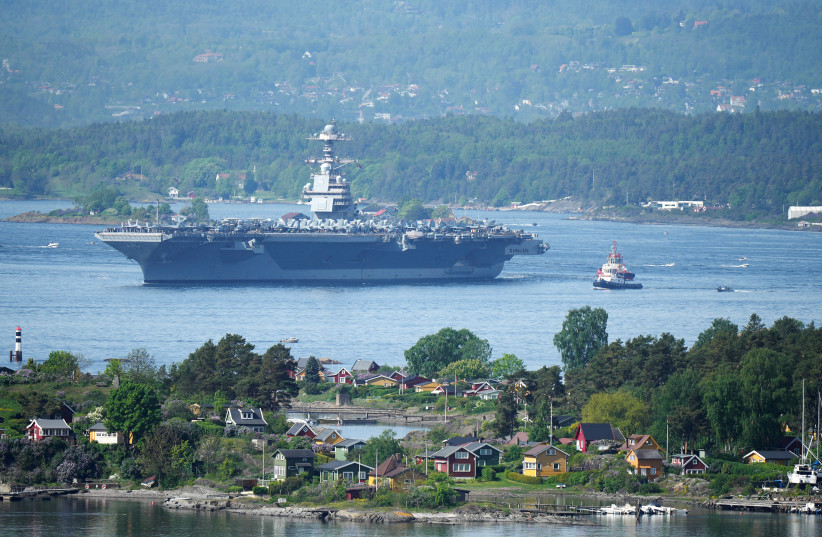
At the same time, American officials confirmed that the USS Gerald R. Ford, the world's largest warship and the largest ship in the US Navy, has left the Caribbean and entered the Atlantic Ocean on its way to the Middle East.
Iranian people observe day of mourning 40 days after start of uprising
In Iran, people are currently observing “Arbaeen Day,” a day of mourning held 40 days after a death, in this case marking 40 days since the harsh suppression of protests on the night of January 8–9, which is considered the most severe crackdown by the regime.
The Guardian reported that dozens of CT scans and X-rays obtained from one hospital document a night of violence, revealing patterns of gunshot wounds to the face, chest, and genitals.
Israeli assessments suggest that, given the brutal repression, even if protests resume, they are likely to be far smaller in scale than those seen at the time.