
"We are proud of our female soccer players who did not succumb to Australia's deceit," said Iran Foreign Ministry Spokesperson Esmaeil Baghaei on Monday, when referring to the decision by the Iranian women's national soccer team to forgo asylum and return from Australia.
According to Baghaei, "What happened in Australia was a clear example of hypocrisy and deceit."
A fifth member of the Iranian women's soccer team who had sought asylum in Australia has changed her mind and decided to return home to Iran, Reuters reported on Monday, citing Australian media.
The players had sought asylum after rumors spread that they faced possible treason charges for not singing Iran's anthem during the inaugural game of the Women’s Asian Cup.
In total, seven Iranians sought asylum in Australia: six players and a staff member from the national team. Now, only two reportedly still seek asylum, while five have already agreed to return to Iran.
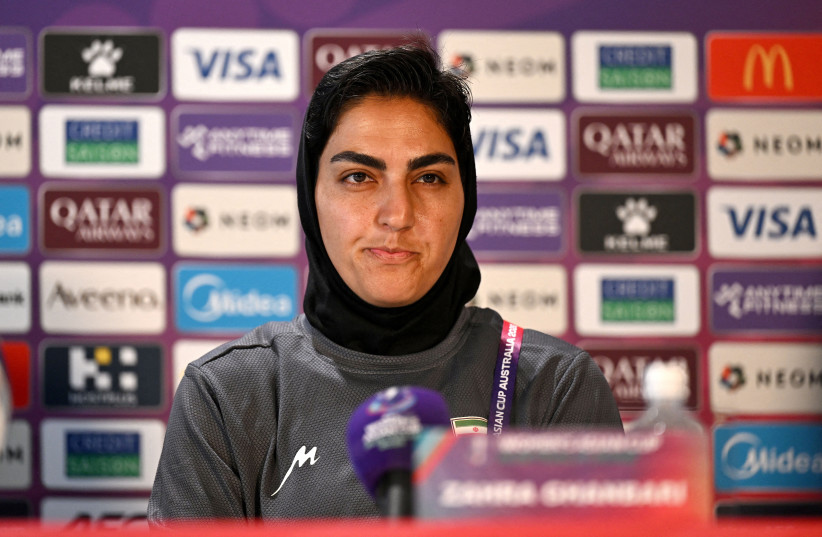
What happened with the Iranian players in Australia
The situation started when the Iranian team decided not to sing Iran's national anthem, an action taken by hardliners in Iran as treason.
The women were reportedly forced to sing the anthem during their following two matches, and perform the military salute, but were filmed singing “Help” as they were driven away after their 2-0 loss to the Philippines last week.
Australian Home Affairs Minister Tony Burke, who agreed to grant the women visas, told reporters that the other team members were also welcome to stay in Australia, noting that the initial five players wanted to remain.
But on Sunday, three members of the delegation decided to abandon the asylum offer. Another member changed her mind last week, leaving only two members in Australia.
"This is a very complex situation," Australian Assistant Minister for Foreign Affairs Matt Thistlethwaite told Sky News on Monday.
Thistlethwaite said the government respects the decision of those who chose to return to Iran while continuing to provide support to the two members still in Australia.
Danielle Greyman-Kennard and Reuters contributed to this report.