Iranian officials and state-linked accounts are invoking the Jeffrey Epstein scandal in English-language posts aimed at Americans as part of a broader effort to inflame conspiracy narratives and erode support for US-Israeli operations, experts told The Jerusalem Post on Monday.
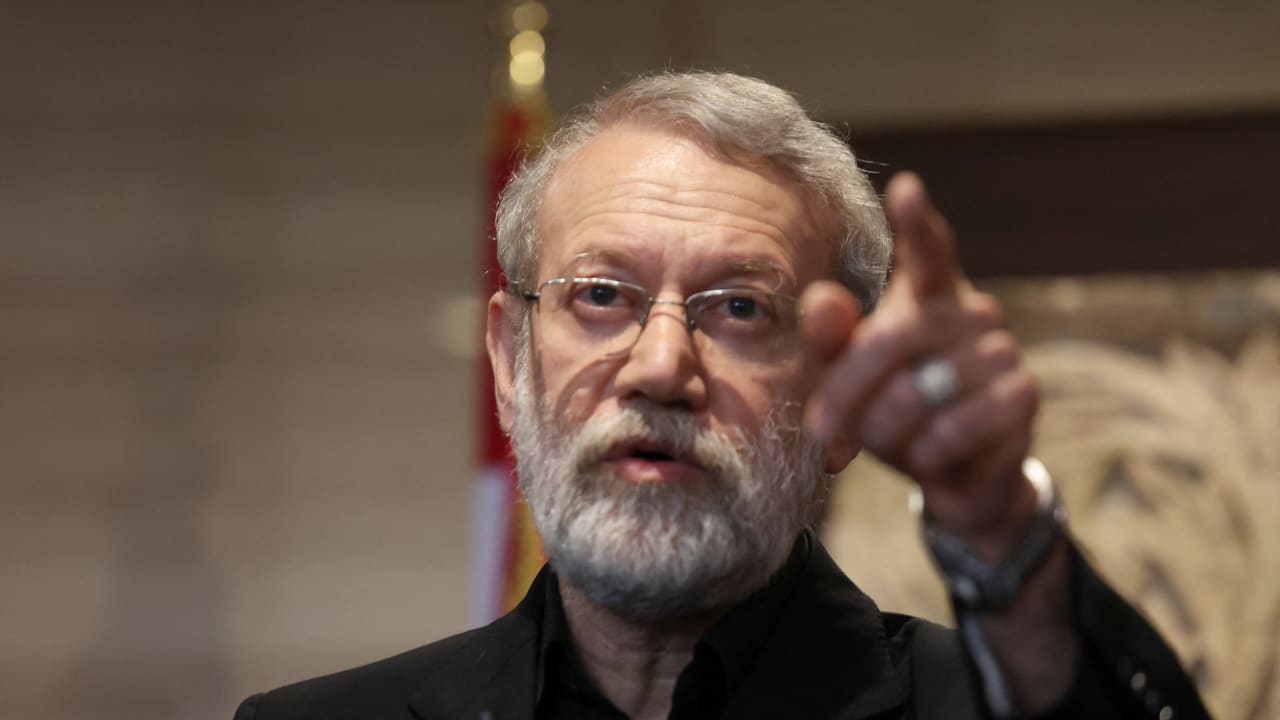
The secretary of the Supreme National Security Council of Iran, Ali Larijani, wrote in an English-language post on X/Twitter on Sunday, “I’ve heard that the remaining members of Epstein’s network have devised a conspiracy to create an incident similar to 9/11 and blame Iran for it. Iran fundamentally opposes such terrorist schemes and has no war with the American people.”
In response to a post by US Defense Secretary Pete Hegseth, Larijani wrote, “Mr. Hegseth! Our leaders have been, and still are, among the people. But your leaders? On Epstein’s island!”
With Iran’s Internet blackout now having reached its 17th day, according to NetBlocks, restrictions on certain social media platforms, and the fact that the message was written in English, not Farsi, it can be assumed Larijani did not write his message with Iranians as the intended recipients.
Washington Post journalist Will Oremus wrote that such messages were intended to erode support for US-Israeli military operations, mirroring a similar assessment given to the Post by Lt.-Col. (res.) David Siman-Tov.
Siman-Tov, a senior researcher at the Institute for National Security Studies and deputy head of the Institute for the Research of the Methodology of Intelligence at the Israeli Intelligence Community Commemoration and Heritage Center, said that Iran wanted to see a “fight” or “argument” in the US over the conflict.
The “information war,” he said, would be the deciding factor in who wins this conflict. Iran and the US can go through the motions of electing and assassinating new leaders, but it will be social media that decides when US President Donald Trump stops the conflict, he predicted.
After monitoring the Iranian disinformation campaign, Siman-Tov said he hadn’t noticed any real difference in the kinds of messages being pushed by official and fake accounts, as had been observed during elections and demonstrations.
'In the memory of victims of Epstein’s island'
Other experts believe that the Islamic regime is trying to connect with conspiracy theorists and those interested in the corruption associated with the Epstein files, who may then latch onto Tehran’s propaganda.
“There is a lot of Epstein-related content being pushed out to draw eyeballs,” Bret Schafer, who directs US research and policy at the nonprofit Institute for Strategic Dialogue, told The Washington Post. “You come for the Epstein content, and you stay for the propaganda.”
While Larijani’s message may or may not have been intended for a Western audience, The Telegraph reported that Iranian state media and social media accounts sympathetic to the regime shared an apparently doctored image of a missile scribed with “In the memory of victims of Epstein’s island” in Farsi.
Dr. Omer Yair, a research associate at the Lauder School of Government, Diplomacy, and Strategy at Reichman University, explained to the Post that much of the regime’s latest online campaign is about painting a picture of Israel as an immoral actor.
Despite the minimum age for marriage in Iran being among the world’s lowest at 13, the widespread reports of sexual violence inflicted on women in regime custody, and modesty laws restricting the clothing and freedoms of women, the regime has taken up the emotive case of Epstein’s sex trafficking to peddle the idea that Israel is “behind all that is evil.”
By “present[ing] it [Israel] as a bad influence on the world,” Yair shared that there may be mounting pressure for the US to end cooperation in the operations in Iran and for ties to be severed on a much smaller scale.
The controversy and delay in releasing the Epstein files, and the ongoing demands to hold those mentioned in them accountable, have led to great interest in the case, Yair explained.