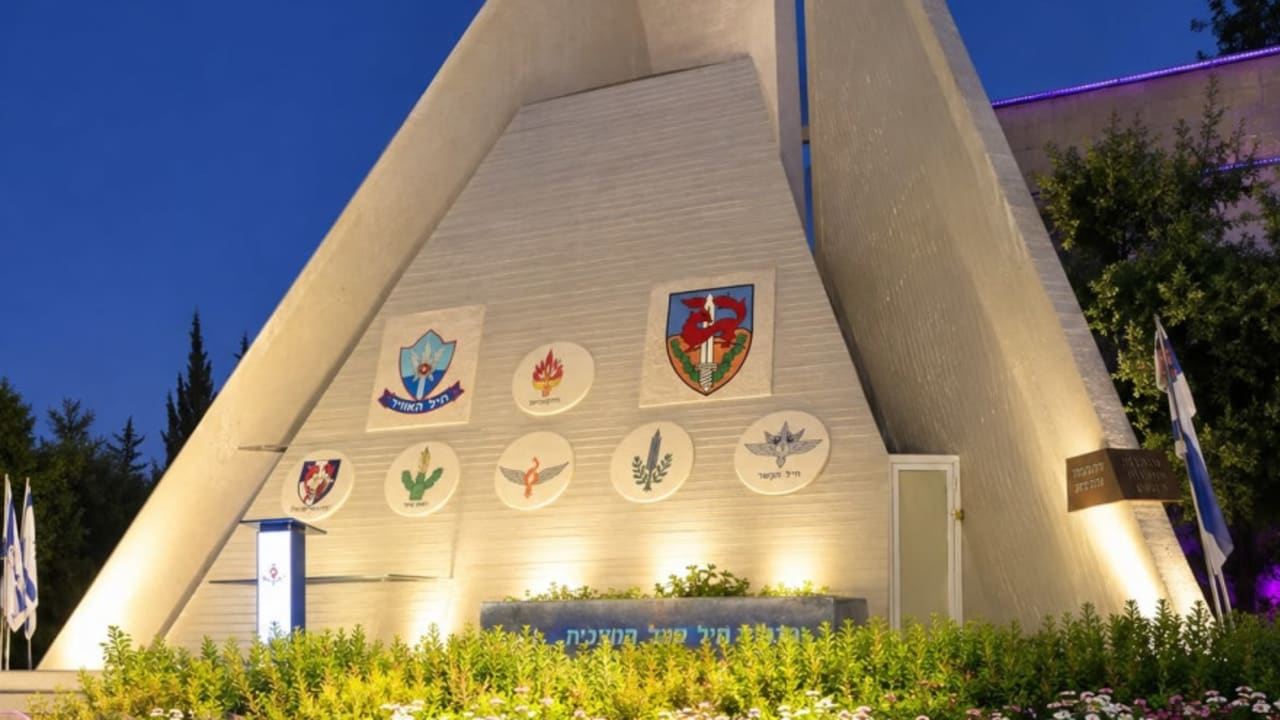
Closed since October 7, the Givati Brigade Museum at Metzudat Yoav has officially been inaugurated and reopened to the public. As the brigade suffered heavy losses during the war, the Heritage Ministry recognized that the existing exhibition no longer told the full story. Rather than simply appending new chapters, officials opted to dismantle the museum entirely and rebuild it from the ground up.
From the War of Independence to recent battles
The NIS 5 million renovation introduces a new exhibition tracing the brigade’s history from the War of Independence through the Swords of Iron War. Visitors can explore interactive stations, historical artifacts, weaponry, and documentation of recent battles and operational activities in Gaza and Lebanon. Through an additional NIS 15 million investment, a new amphitheater and a memorial wall - inscribed with the names of every fallen Givati soldier since the brigade's establishment - were built in the fortress courtyard, offering bereaved families and the general public a dedicated space for remembrance.
The site itself carries deep historical significance. During the War of Independence, the fortress served as one of the most strategic Egyptian outposts in the south, earning the nickname "the Monster on the Hill" from IDF troops. Captured on November 9, 1948, after seven failed attempts, it has long functioned as Givati's heritage and memorial center. Seventy-eight years after its capture, accounts of the latest war have now been woven into its legacy.
Memory, leadership, and ongoing legacy
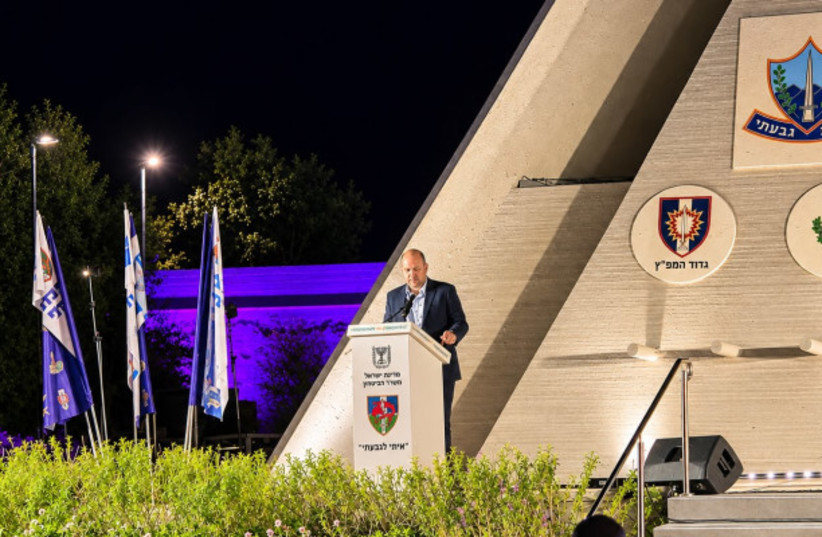
Givati Brigade Commander Col. Netanel Shamaka noted that the museum reflects an ongoing narrative. "Every generation receives the legacy from its predecessors, adds its own chapter to it, and passes it on," he said. "The Givati Museum commemorates the path we have walked, while also reminding us that our story continues to be written anew every single day."
Heritage Ministry Director-General Itay Granek, whose ministry funded the project, explained the rationale behind the complete overhaul. "When the heavy price paid by the Givati Brigade became clear, we understood that merely preserving what existed was not enough, and that national memory must reflect the heroism of the present," he said. "Therefore, we decided to dismantle the museum and rebuild it, while creating a memorial complex accessible to every citizen."
Itzhak Levit, chairman of the Givati Brigade House Association, added that the memorial wall and revamped museum "connect generations of fighters, the fallen with those who follow in their footsteps, and the legacy of the past with our responsibility for the future."
The project was managed by the Government Tourist Corporation in cooperation with the Defense Ministry, the Givati Brigade House Association, and private donors.