Remembering the tragedies is important. Remembering the rescuers is imperative.
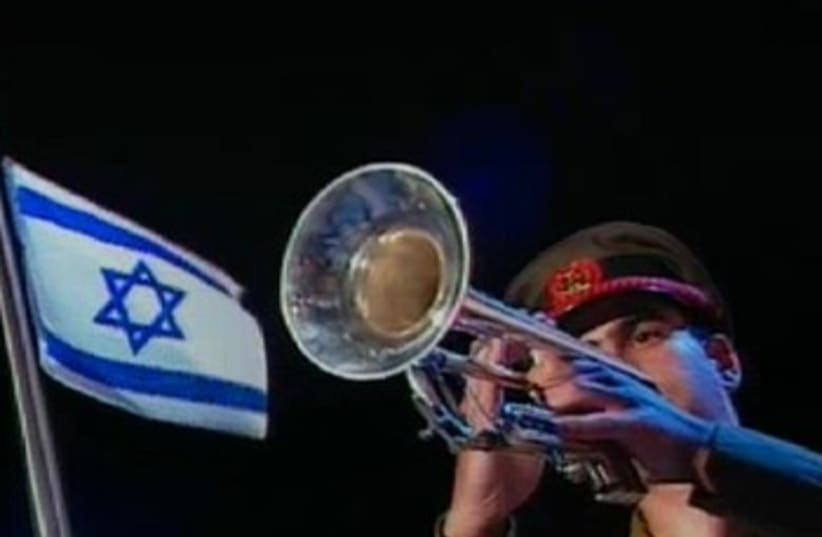
By EDUARDO EURNEKIAN, BARUCH TENEMBAUMHolocaust Remebrance Day ceremony at Yad Vashem 370(photo credit: Channel 10)
Yom Hashoah is a sad day of reflection. Our thoughts and innermost feelings reach out to the millions of victims of the Nazi extermination machine. This is natural and understandable.Less so is the fact that we have failed to create a collective memory vis-à-vis the scores of heroes, women and men, who risked their lives to save others. Not only the almost 25,000 people who were recognized as Righteous among the Nations, but also tens of thousands of rescuers who remain anonymous or who cannot gain such an official recognition because they were Jewish. By “Jewish savior” we do not mean the trivial case of a Jewish mother who saved her son, but we are talking of a sizable number of Jews who took an extra risk in order to save their sisters and brothers.To be sure, it is absolutely reasonable that the Jewish state pays tribute to the Gentiles who saved Jews during the Shoah, but inevitably, this creates discrimination. Therefore, we should create a day in which we could celebrate the feats of all those who saved Jews, not only in the Holocaust, but throughout history. This could serve as a precedent for the world at large to institute a Universal Day of Saviors, dedicated to saviors who saved people from all religions and nationalities.Jewish history is packed with tragic events (such as “17th of Tammuz,” “9th of Av”). The exercise of remembering sad moments is important, but so is the need to celebrate and highlight the positive.We know this is not easy, but from the experience we gained at the helm of the International Raoul Wallenberg Foundation, following decades of implementing educational programs, we know for a fact that the young generations are looking for role models, and what better role models than those who were ready to sacrifice their own lives in order to save others?Isn’t it sad that everybody knows who Hitler, Himmler or Eichmann were? But who knows of the tens of thousand of rescuers? WE ARE proud to carry the name of Raoul Wallenberg, the young Swedish diplomat who in less than nine months, from July 1944 to January 1945, was able to rescue tens of thousands of Hungarian Jews. Sad is the fact that he, who saved so many, became himself a victim of oppression. On January 17, 1945, he was imprisoned by the Soviets, and his fate and whereabouts are a mystery even today. He, who saved so many, could not be saved.Other heroes acted for longer periods of time, some also paid with their own lives, but unlike Wallenberg they were left in oblivion. All of them made a huge difference.The State of Israel celebrates its Day of Independence immediately after remembering its fallen soldiers, stressing that the building of the nation is owed to these martyrs. Sorrow and joy are almost intertwined. Similarly, Yom Hashoa, which remembers the victims and the atrocities perpetrated by the Nazis and their collaborators, should be followed by the Day of the Saviors, which should celebrate the legacies of the heroes who represent the light in the midst of darkness, regardless of their religion, nationality of background.Remembering the tragedies is important. Remembering the rescuers is imperative. The writers are the chairman and founder, respectively, of the International Raoul Wallenberg Foundationwww.raoulwallenberg.net
if(catID != 151){
var cont = `Take Israel home with the new Jerusalem Post Store