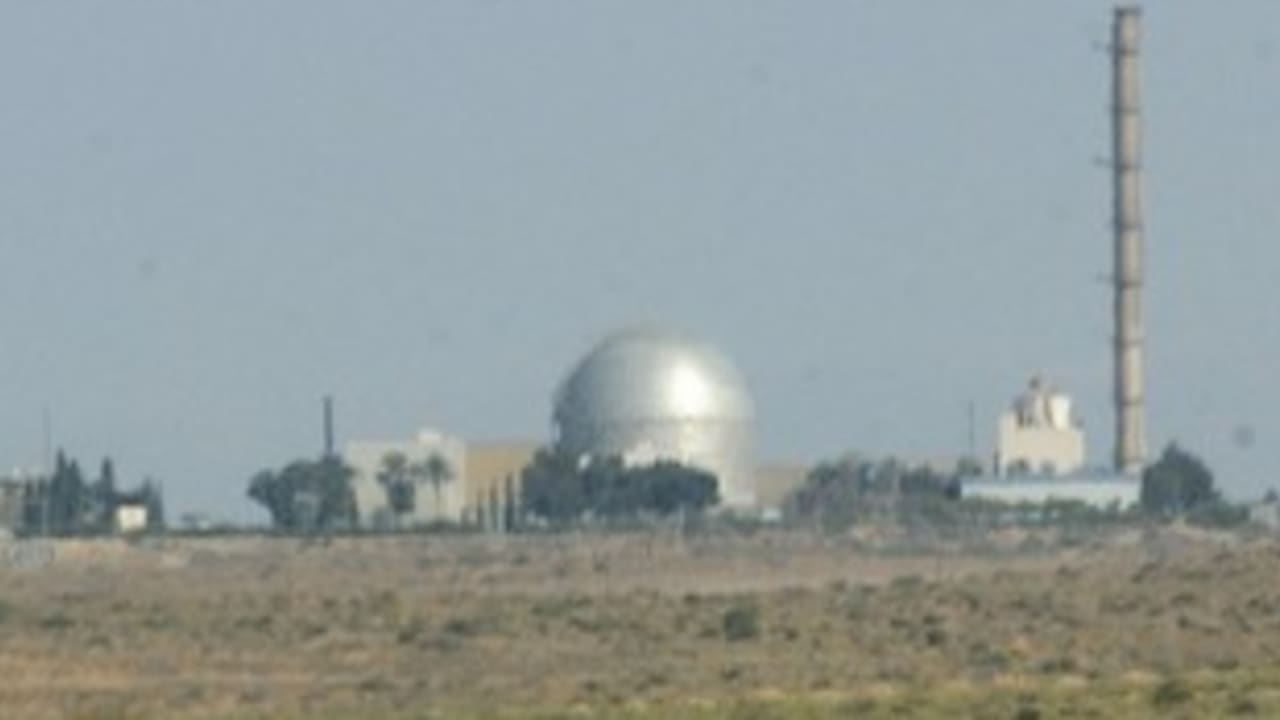
Argentina may have sold Israel material necessary for making a nuclear bomb in the 1960s, Foreign Policy reported on Monday, citing newly-published American archival documents.Israel has never clearly admitted to having a nuclear weapons program in the country, although it is has been estimated that the Jewish State has dozens of nuclear warheads. According to the report in Foreign Policy, Argentina sold Israel 80-100 tons of "yellowcake" uranium in 1964. Yellowcake, a concentrated uranium powder produced in countries in which uranium ore is mined, can be further processed to make weapons-grade uranium which can be used to make nuclear bombs.Washington was concerned with the weaponization of Israel's nuclear program at the time, and was concerned over the sale of the yellowcake by Argentina to Israel, but was unable to prevent the sale, according to the report. The archival documents show the efforts to which Israel went to cultivate relations with nuclear suppliers and the concern that the US, as well as Canada and Britain had regarding Israel's nuclear program.According to the report, the US was concerned that Israeli possession of nuclear weapons would destabilize the Middle East and hurt worldwide efforts to limit proliferation. Israel had said publicly that their nuclear program was for peaceful purposes only and US representatives secretly visited the Dimona core in 1963 to verify this. A US team arrived to inspect the facility in January 1964, but Israel hid the true nature of the project, according to the report.In addition to the yellowcake sale by Argentina, the US also investigated in 1965 reports that the French uranium company in the African nation of Gabon may have sold uranium to Israel. They were unable to determine if a sale had taken place.The US attempted to gain more information about the yellowcake purchases from then-Israeli foreign minister Abba Eben, but he evaded the line of questioning according to Foreign Policy. However, the US took no further action to counter the Israeli evasions, monitoring nuclear developments only through visits to the core in Dimona.