
The world's richest man, Elon Musk, once again delivers a statement that manages to spark a storm. According to him, if the company meets its goals, it will be worth more than all the rest of Earth. But behind the provocative sentence hides a much broader worldview – one in which money will no longer be the most important resource.
Elon Musk is used to making headlines, but even for him, this is one of the most ambitious statements heard in recent years. In a post published on X, Musk wrote that if SpaceX succeeds in realizing its long-term goals, "it will be worth more than the rest of Earth."
The statement comes shortly after SpaceX was valued at over $2 trillion in its IPO, but for Musk, this is only the beginning of the road.
No longer just a space company
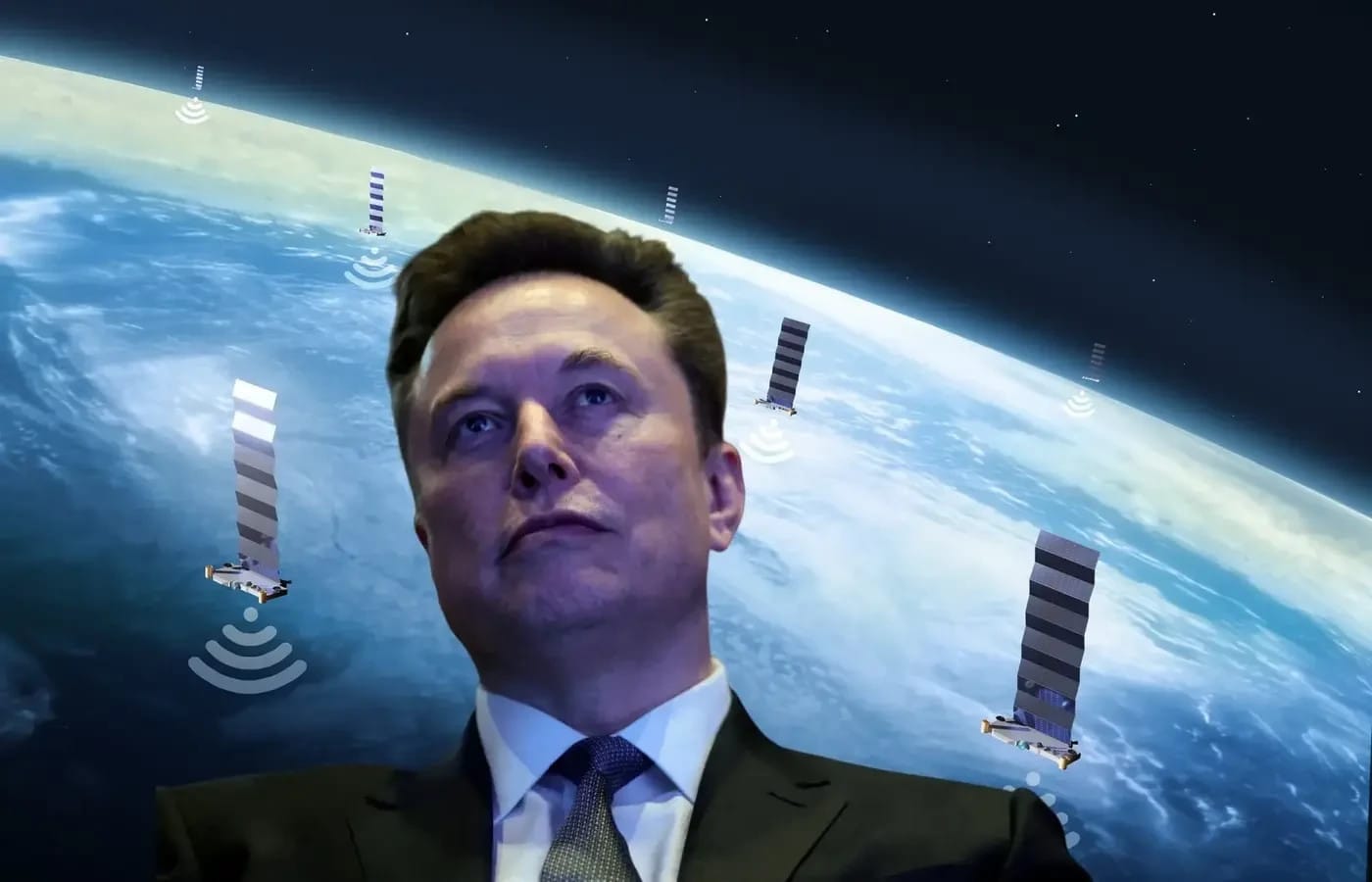
On the surface, SpaceX is a space launch company. In practice, Musk sees it as infrastructure upon which the economy of the future may be built. In recent years, the company has significantly expanded its operations – from launching satellites through the Starlink network to developing computing and artificial intelligence systems in space.
One of the most intriguing initiatives Musk discussed is Starmind – a future network of satellites that will provide immense computing power for artificial intelligence, while utilizing solar energy in space. According to initial plans, early prototypes could launch as early as 2027. As far as he is concerned, whoever controls energy, computing, and access to space will also control the economy of the future.
Will money lose meaning?
In an interview conducted around the SpaceX IPO, Musk was asked what the world would look like in an era where most work is performed by artificial intelligence and robots. "I think money will stop being relevant at some point in the future."
According to him, if AI systems and robots manage to produce almost any product and service at a negligible cost, the world could enter an era of unprecedented abundance. In such a scenario, a shortage of money will no longer be the bottleneck of the economy.
According to him, even in a world of infinite abundance, there will still be limited resources – for example energy, raw materials, manufacturing capacity, and of course access to space. In other words, future value will not be derived solely from how much money a company has, but from its control over the critical infrastructure upon which the world will rely.
Not everyone buys the vision
This time as well, many investors and analysts reacted with skepticism. Musk has previously provided particularly ambitious forecasts – some came true, while others were delayed repeatedly. His critics recall that back in 2022, he estimated that Tesla could be worth more than Apple and Saudi Aramco combined – a forecast that remains far from reality.
Many projects he announced in the past – from autonomous taxis to journeys to Mars – have also progressed at a slower pace than planned.