
The Israeli hotel sector has recovered from millions of shekels in losses in the first quarter of the year, concluding the second quarter with a significant financial turnaround, according to financial reports from Israel’s three largest public hotel chains: Fattal, Isrotel, and Dan Hotels.
The first two returned to profitability, while the third significantly narrowed its losses from the first quarter. Except for Dan, which swung to a loss compared to last year, Fattal and Isrotel both posted increases in second-quarter profits relative to the corresponding period in 2025.
For example, Fattal finished the second quarter with a profit of NIS 141.6 million, compared to a loss of NIS 288 million in the preceding quarter. This represents a 16.8% increase compared to its profit of approximately NIS 121.3 million in the corresponding quarter last year.
Dan Hotels recorded a loss of NIS 2.3 million for the three-month period ending in late June, down from a profit of about NIS 5.4 million in the same period last year. However, this marked a sharp reduction from its loss of roughly NIS 60.5 million in the first quarter of the year.
Isrotel stood out in its quarterly results, reporting the highest growth rate among the three chains in both revenue and profit, which reached approximately NIS 602 million and NIS 82 million, respectively. This reflects a revenue increase of about 11% and a profit surge of around 50% compared to the corresponding period last year.
Isrotel’s market valuation was also notable, standing at approximately NIS 7.26 billion as of the release of its financial report. This represents roughly 63% of the value of Fattal Holdings, even though Isrotel manages 5,228 rooms compared to Fattal’s 50,530, nearly 10 times as many.
These results come as a surprise given data showing that incoming tourism to Israel is struggling to recover. Only about 611,000 visitors arrived between the beginning of the year and the end of July, of whom just 603,000 stayed in the country for more than 24 hours.
The financial results were driven primarily by domestic tourism, which accounted for approximately 85% of all hotel overnight stays. Amid ongoing security tensions, Israelis opted to vacation close to home, driving up occupancy rates and average revenue per room.
However, the reports show that the chains’ overseas expansion strategies also proved to be key growth engines, despite costs absorbed by some due to the strengthening of the shekel against the US dollar and the euro. Geographic diversification helped the chains demonstrate financial resilience during period of security tensions and operations involving Iran.
Domestic tourism drives hotel recovery
Fattal, the largest international operator among the three, continued to benefit from its European footprint, which spans tens of thousands of rooms in Germany, the UK, Spain, and other countries. Isrotel, which managed 26 hotels at the close of the reporting period, also demonstrated expansion both in Israel and abroad. The company reported the construction and acquisition of 13 additional projects at various stages of planning, development, and purchase, including nine in Israel and four in Greece and Italy.
Isrotel noted that "the company expects the strong operational momentum across the chain to continue into the third quarter, which is traditionally the best quarter of the year."

Lior Raviv, CEO of Isrotel, told Walla Money: "Over the past six years, we have learned to maneuver and operate the chain during periods of uncertainty and instability, from COVID-19 through October 7 and two wars. We were forced to close 27 hotels multiple times, but we also prepared to meet Israelis' demand for vacations and reopened the hotels as soon as we could. This is the reality we face, and we try to adapt while maintaining operations to best serve vacationers who return to spend their holidays and breaks with our chain.
"I am pleased that the chain's economic results over recent years reflect this, and we are proud of the quality of our hotels and the dedicated team driving us forward. Their efforts shape both the chain's results and its continued growth and development in Israel and abroad."
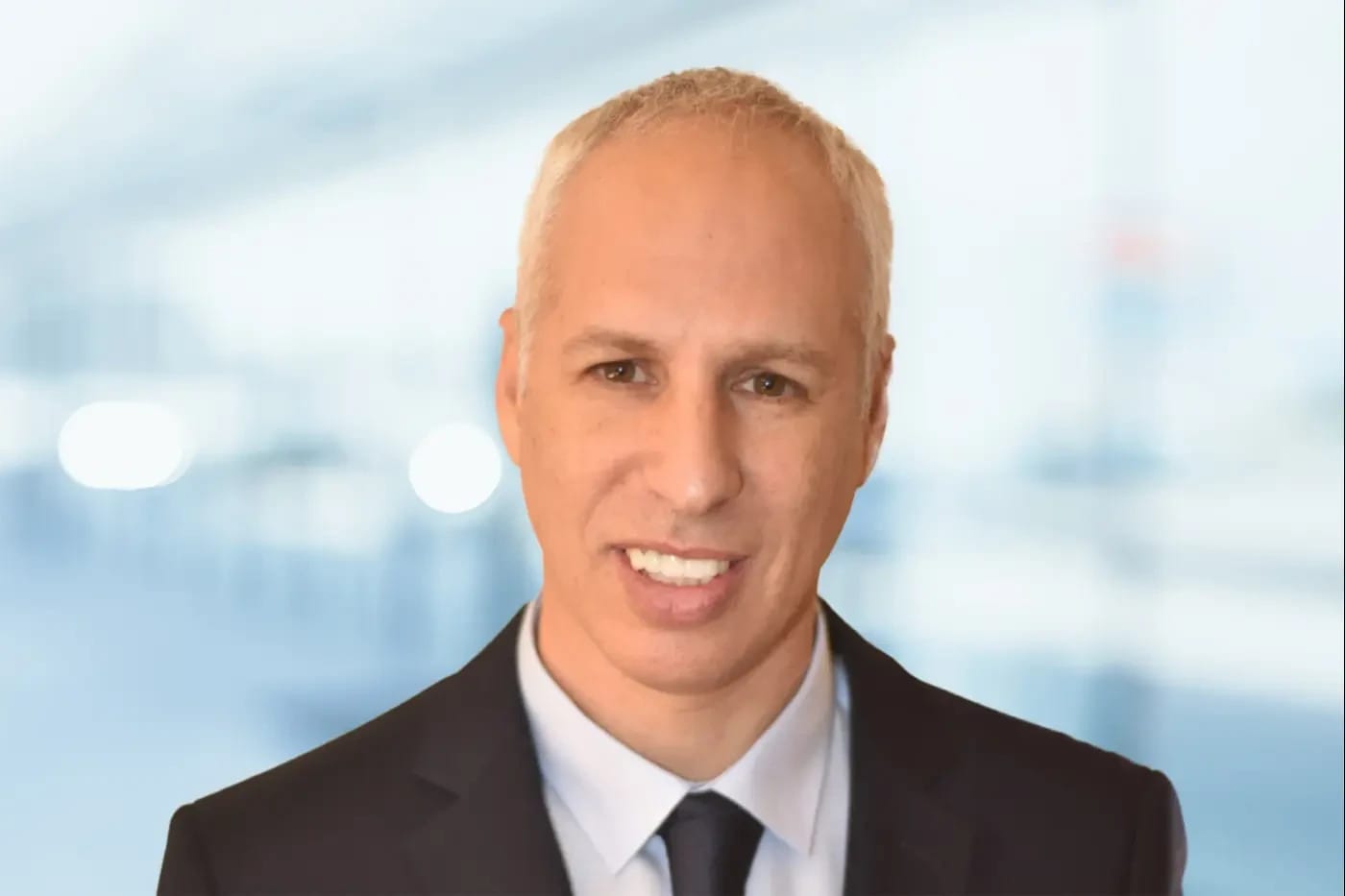
Guy Meller, CPA, partner and head of the travel, sports, and leisure sector at BDO Israel, told Walla Money: "Domestic tourism is currently keeping hotels alive, but international expansion is essential. It must be remembered that incoming tourism brings new money into the economy, and a foreign tourist is effectively an export customer coming to us. Thus, while hotels managed to execute a turnaround in their results during the second quarter of the year, bringing incoming tourism numbers back to Israel remains essential. In my view, this should be a national economic goal pursued through broad government cooperation, not just by the Tourism Ministry."