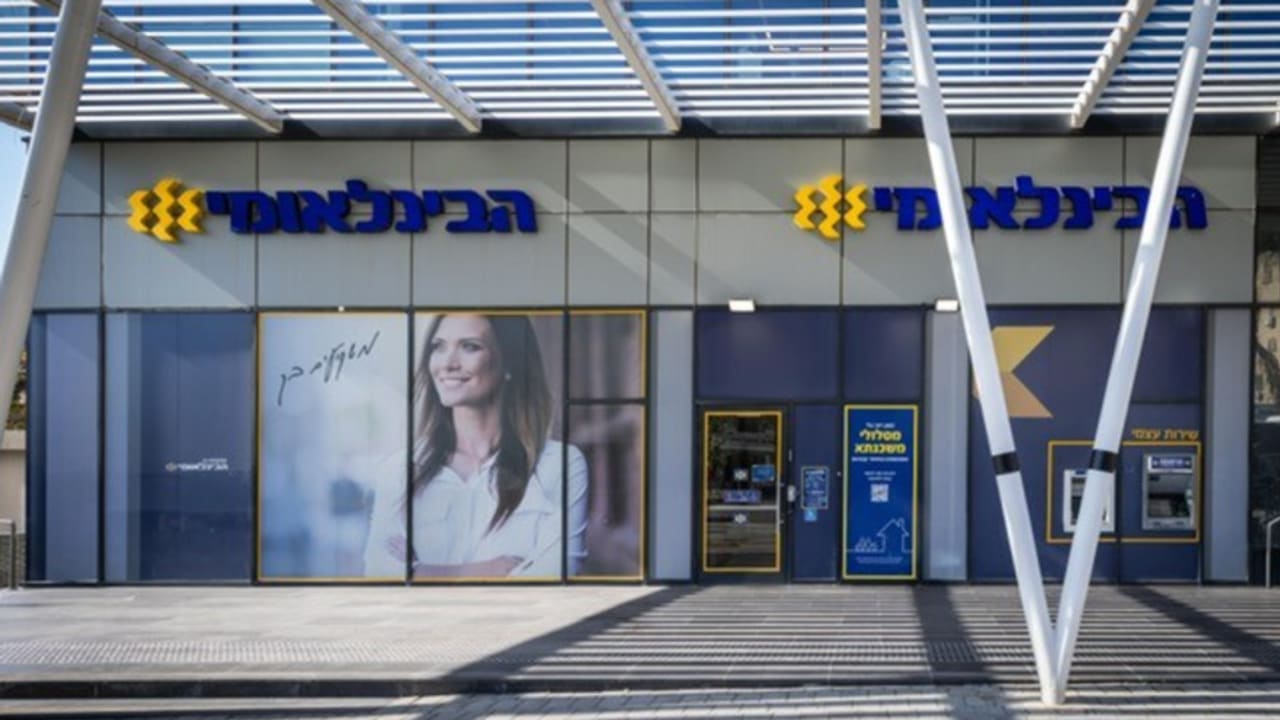
First International Bank of Israel (FIBI) opened the third-quarter banking earnings season with a 12.6% drop in net profit, falling to NIS 581 million. This downward trend in profitability is expected to characterize the financial reports of Israel's other major banks, which are scheduled for release soon.
Over the first nine months of the year, net profit declined by 10.1% to NIS 1.57 billion, representing a 14.3% return on equity (ROE) on total shareholders' equity of NIS 14.5 billion. Despite the dip in earnings, the bank announced a cash dividend distribution of NIS 254 million.
Special banking levy and macroeconomic headwinds
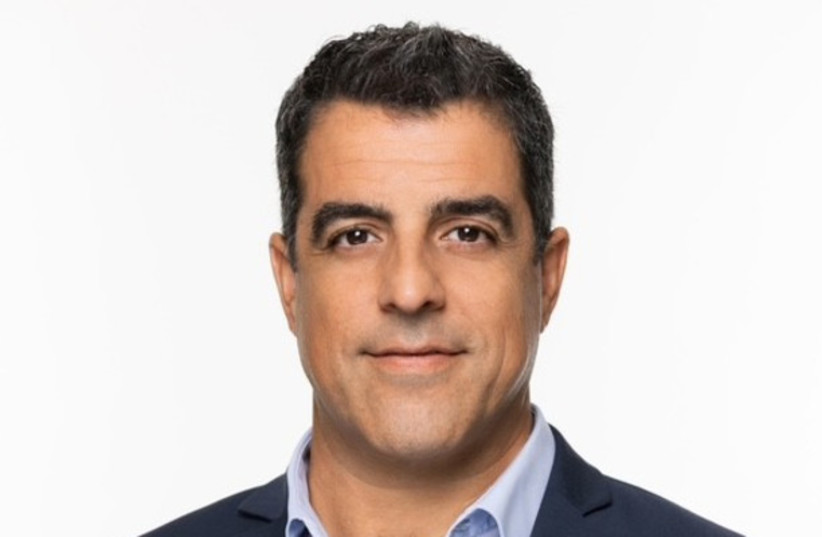
Controlled by Zadik Bino, FIBI is led by CEO Eli Cohen and Chairman of the Board Ron Levkovich. A key factor behind the earnings decline is the "Smotrich tax," a special levy imposed across the banking sector - over the objections of the Bank of Israel - in response to what was termed "excess profitability."
The bank estimates its expected tax burden under this levy for 2026 at between NIS 210 million and NIS 240 million. Based on an annual midpoint of NIS 225 million, the tax represents an average quarterly drag on profit of NIS 56 million.
Broader macroeconomic headwinds also weighed on revenues and profitability, including a lower Consumer Price Index (CPI), Bank of Israel interest rate cuts that narrowed financing margins, and the weakening of the US dollar against the shekel. Consequently, net revenues have declined by 4.7% since the beginning of 2026 to NIS 5.1 billion.
Credit expansion and client assets fuel growth
Despite these pressures, credit remained a primary growth engine for both FIBI and the wider banking system, jumping 21.9% to NIS 172.4 billion. While most of this credit expansion was driven by financial services, the bank is also beginning to expand its footprint in standard commercial lending to the business sector.
Public deposits grew at a relatively moderate pace given the nature of the bank's operations, rising 4.6% to NIS 243.8 billion. In contrast, the client asset portfolio surged 16.9% to NIS 1.26 trillion, while fee and commission income increased 6.1% to NIS 1.4 billion.

Operating expenses rose to NIS 2.4 billion, driven largely by marketing outlays tied to heightened capital market activity. As a result, the bank's efficiency ratio climbed to 48.1% for the quarter.
CEO highlights financial resilience amid uncertainty
FIBI CEO Eli Cohen stated: "We are in a challenging period marked by uncertainty, macroeconomic shifts, and geopolitical risks. Against this backdrop, the bank is operating while demonstrating financial resilience and double-digit growth in credit and client assets."
According to Cohen, "The reports present a growing and solid bank with stable capital, high asset quality, and a dividend distribution with one of the highest yields in the system. This growth is achieved while maintaining high levels of service and professionalism, alongside continued leadership in the capital market, money management, and innovation in investment products and value propositions."